
The arrangement, stated plainly
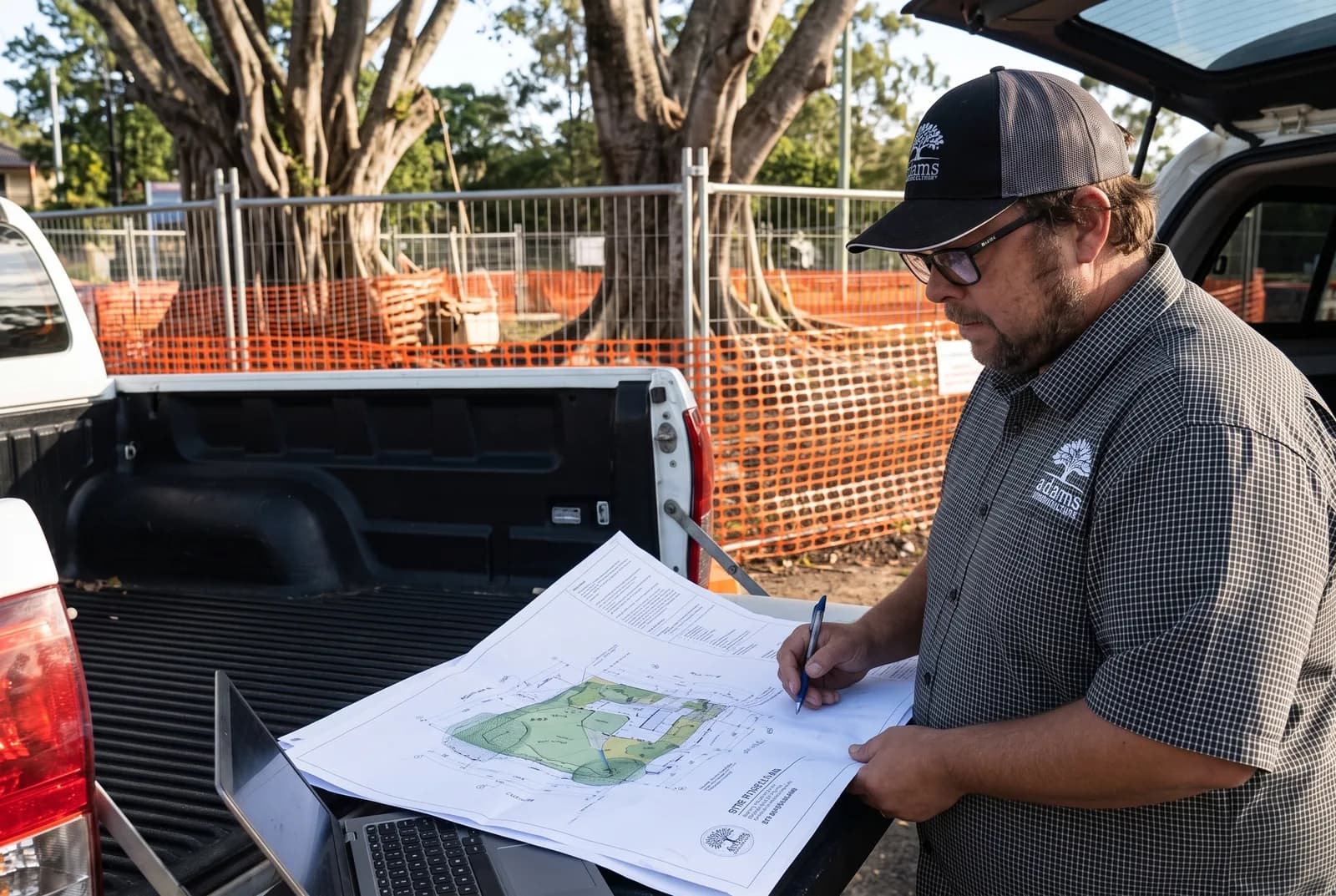
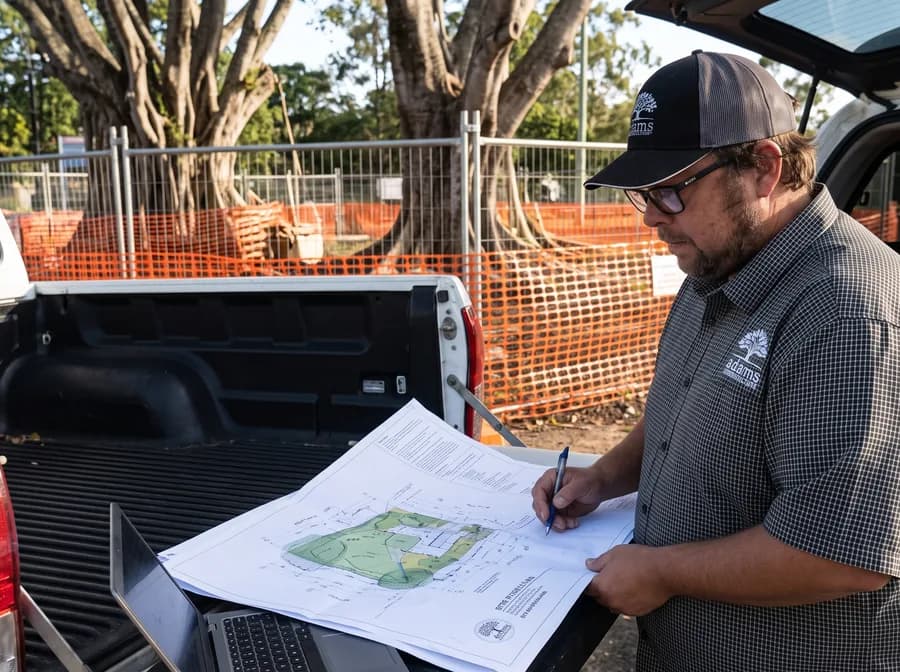
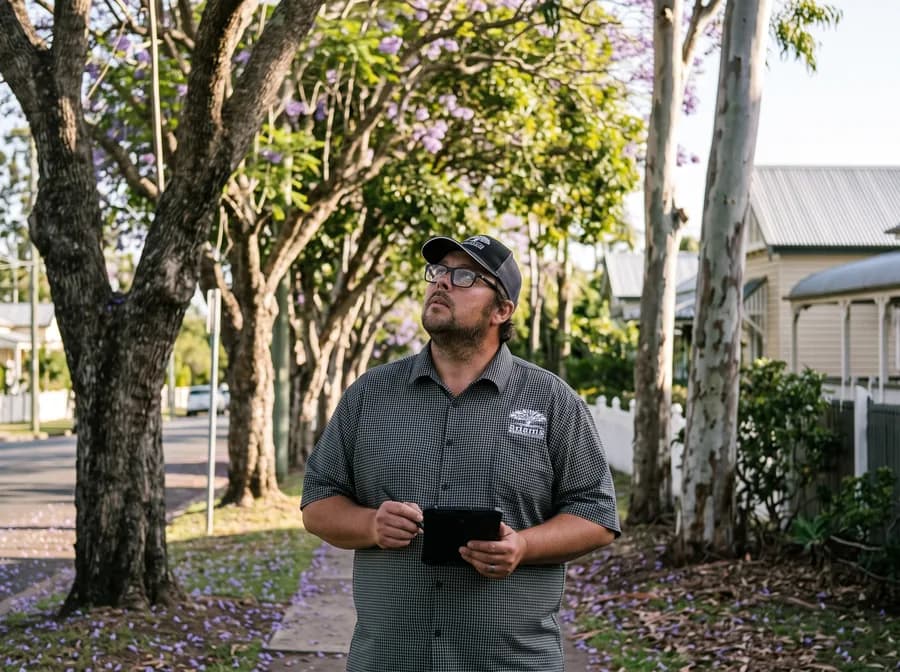
Adam assesses trees and writes about them. He does not remove them, lop them, prune them commercially or grind stumps, and he does not take a margin on anyone who does.
The consequence is arithmetic rather than virtue. When the honest finding is that a tree can be retained, that finding costs this business nothing. When the honest finding is that no report is required at all, that costs this business the entire engagement — and it is still the finding you get.
That is what independence means here. Not a claim about character, which anyone can make, but an arrangement in which the recommendation and the revenue are not connected.
Retaining a tree and removing it are the same outcome financially. That is the whole point, and it is the reason the conclusion is worth reading.
What the position gives up
Worth being honest about, because a page claiming a virtue with no cost attached is not describing a real choice.
A business that assesses and then carries out the works captures far more of the value of each engagement. It can quote on what it recommends, sequence the work itself, and turn one call into a much larger job. Declining that is a genuine commercial sacrifice, made once, deliberately.
What it buys is a report that does not have to be discounted for the interest of the person who wrote it — which matters most precisely when the stakes are highest.
Where it actually shows up
In the findings that reduce the work rather than expand it.
- When the tree can stayRetention is a neutral outcome here. It is not neutral to a business quoting on removal.
- When less work would doA targeted limb rather than a crown reduction, or monitoring rather than intervention.
- When nothing needs doingThe cheapest possible finding, and the hardest to reach if it ends the engagement.
- When no report is requiredA desktop check that ends the enquiry, told to you as the answer rather than sold past.
- When the assessment is contestedA finding from someone with no financial interest is simply harder to argue with.
The practical benefit: a scope you can quote against
Set the principle aside and there is a straightforwardly useful consequence. An independent assessment produces a defined scope, which you can then put in front of tree contractors.
Without one, each contractor tells you what they believe is necessary and you are comparing three different jobs at three prices with no way of knowing which is the right job. With one, you are comparing three quotes for the same work — which is the only comparison that means anything.
Where the line sits
Some physical work does belong to the consulting role, and Adam carries it out: root pruning, root investigations, supervision inside tree protection areas, and plant healthcare treatments where a diagnosis supports them.
That is specialist work directly attached to an assessment, not a contracting offer, and it does not widen. Where general tree work is required, a contractor is engaged separately and this business takes nothing from it.
None of this is an argument that tree contractors write poor reports. Many are qualified and entirely straight. It is an observation about how an arrangement is built — see the fuller comparison in Insights.