What happens on the visit
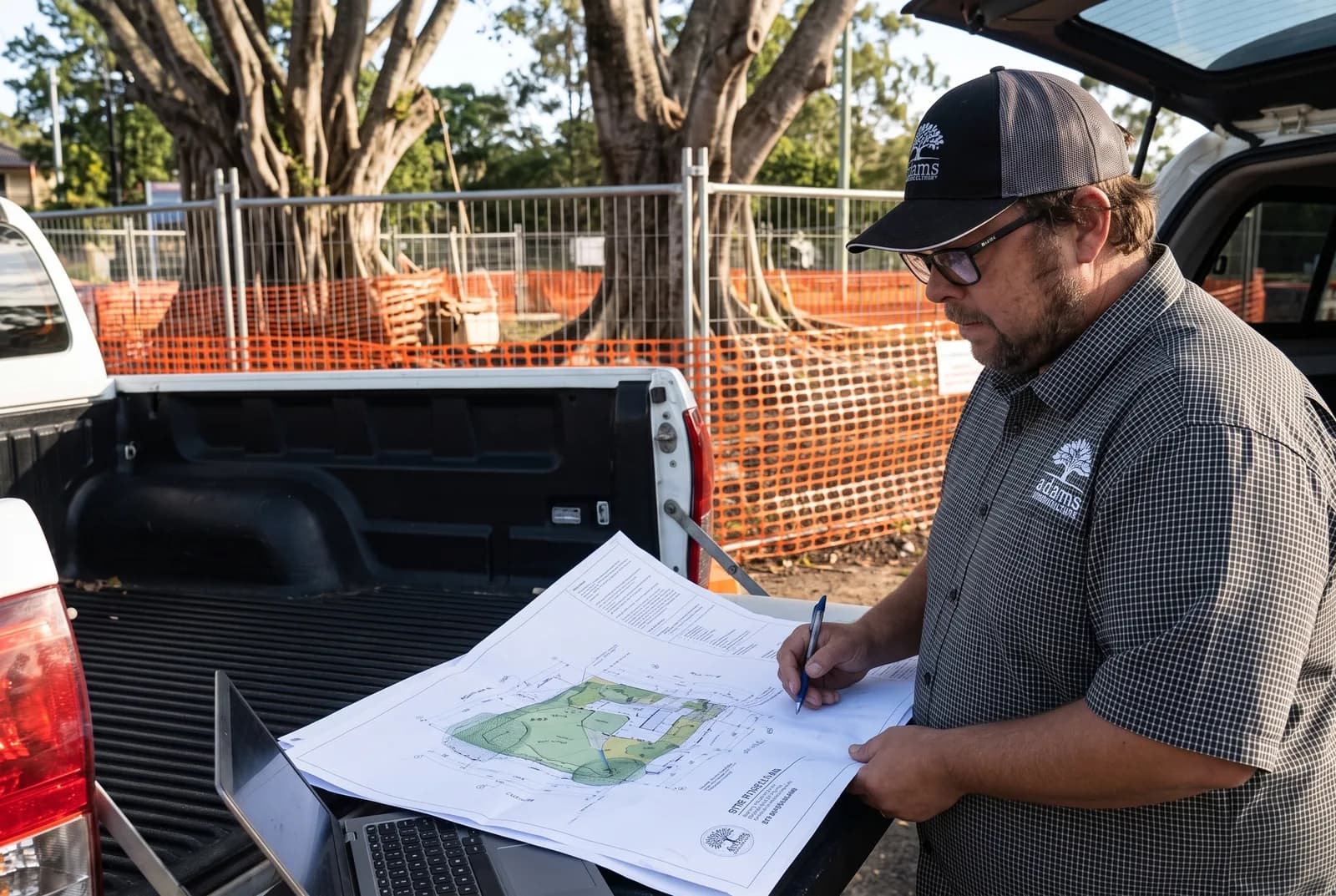
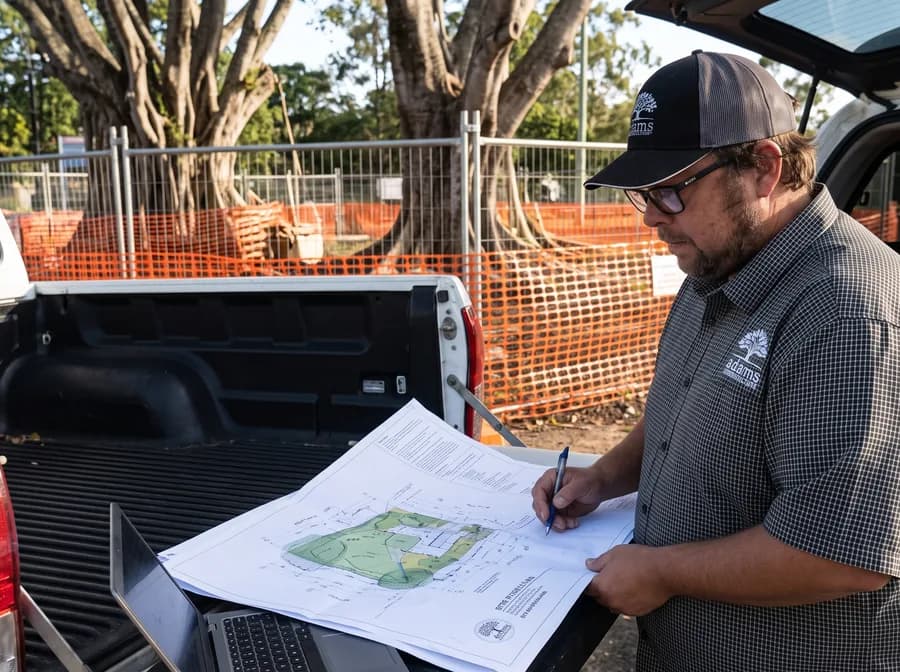
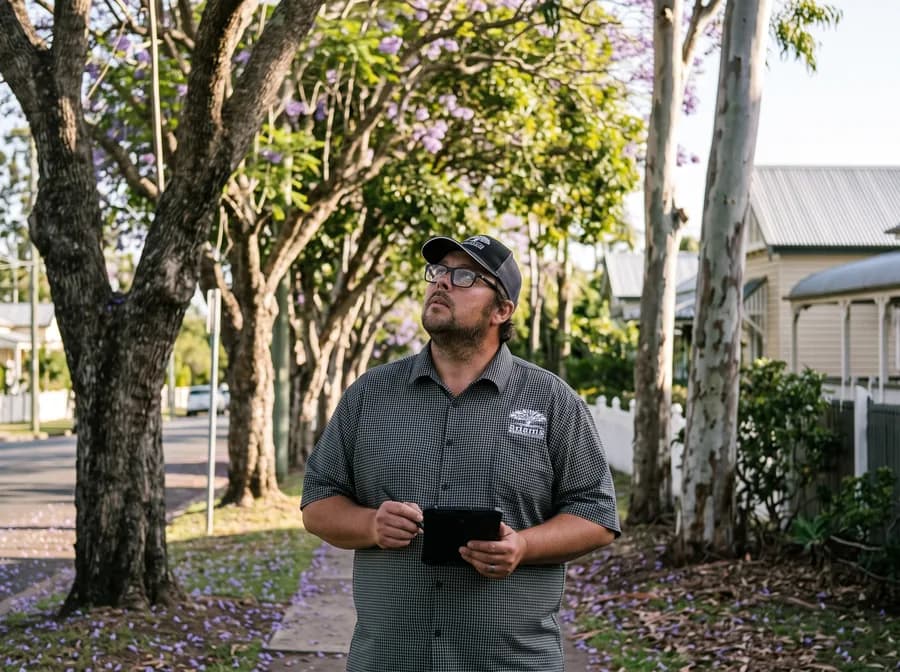
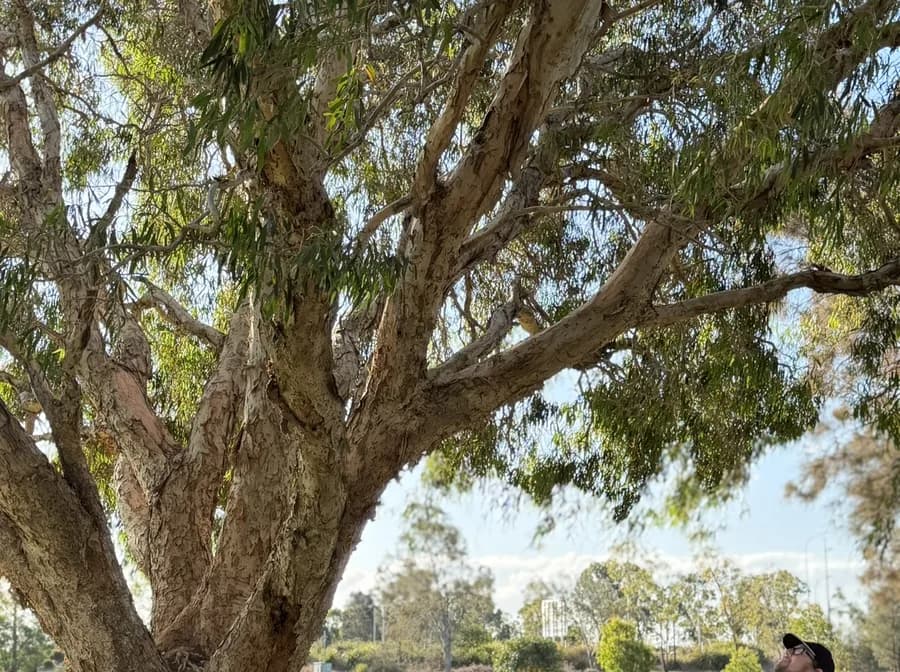
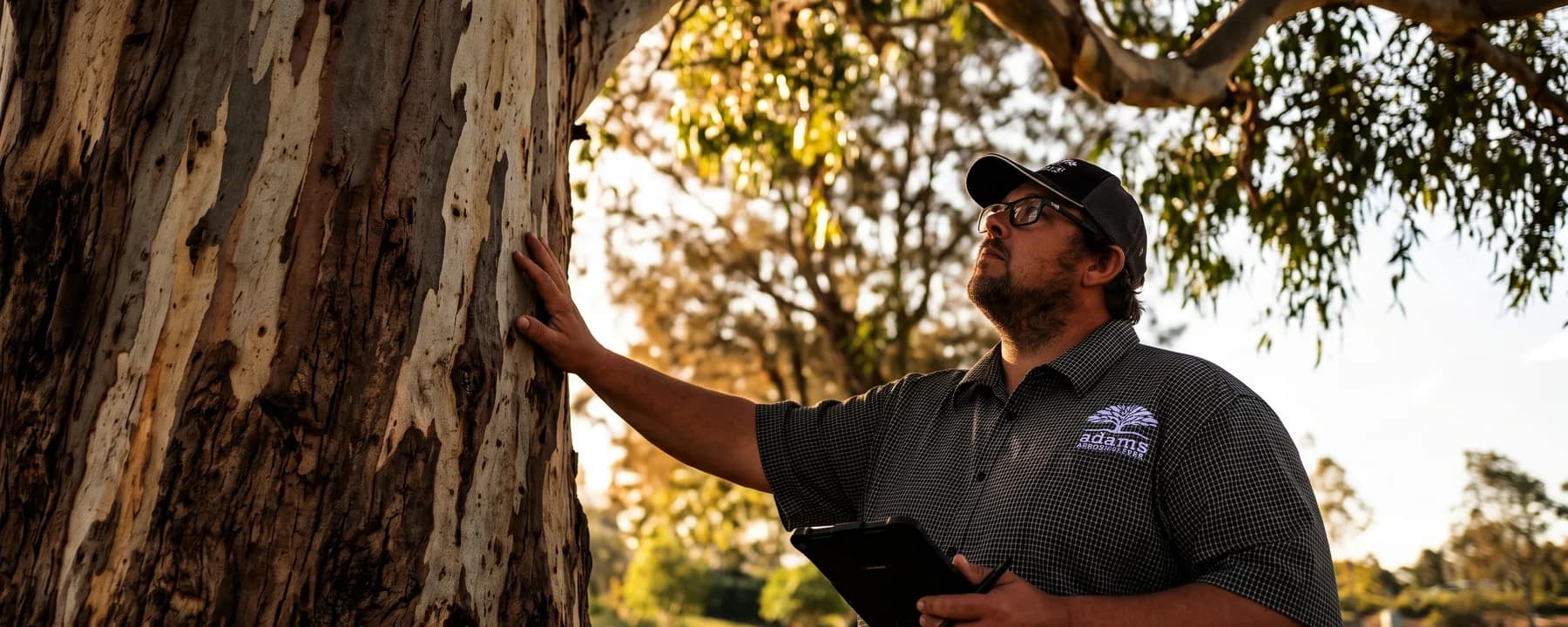
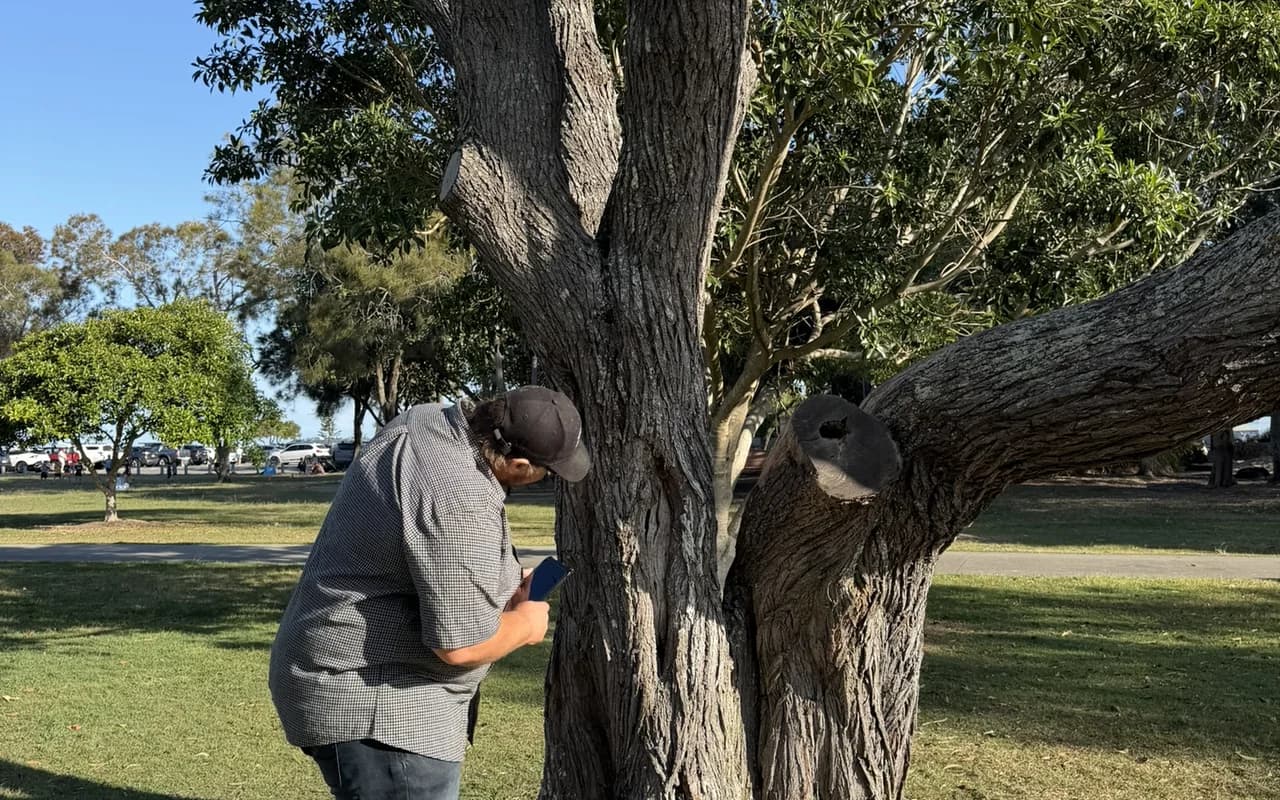
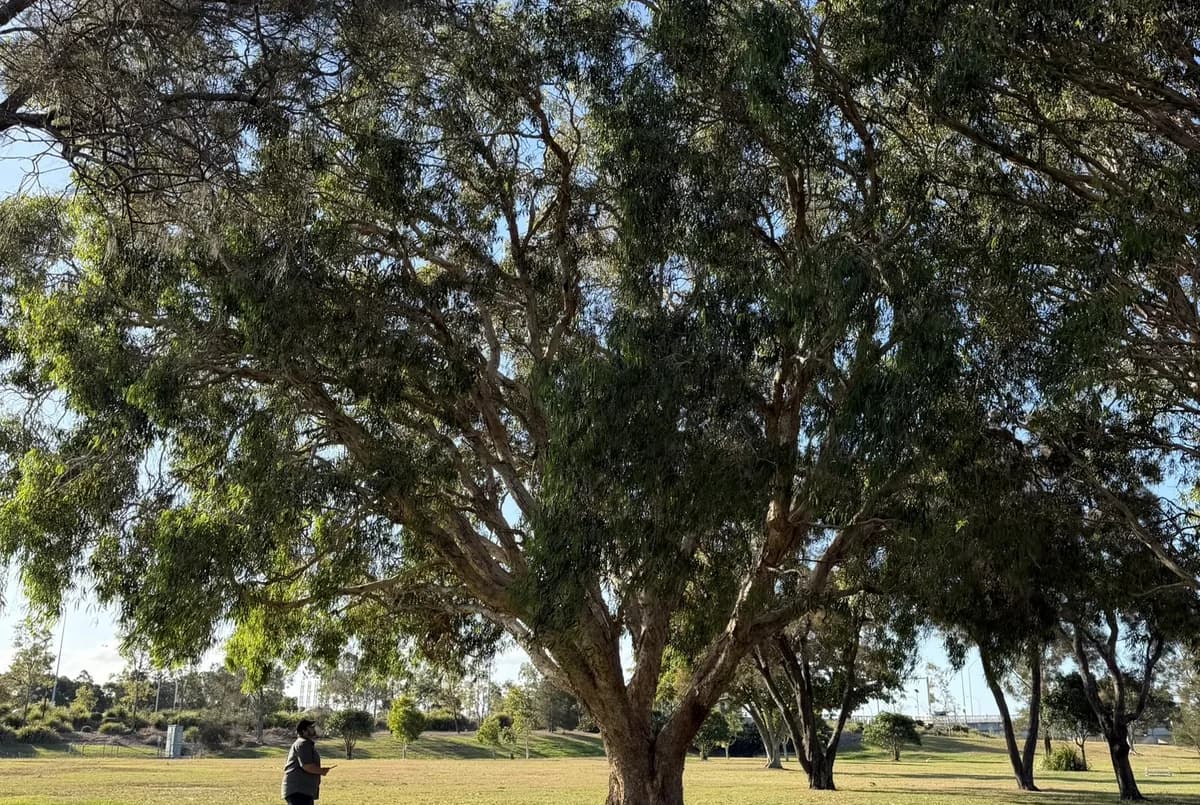
A visual inspection of the tree in its actual setting. Condition, health, structure, the unions and the branch architecture, the root plate and buttress, and any defects — plus what surrounds the tree, since a tree is only assessable in relation to what is around it.
Measurements are recorded on site rather than estimated afterwards. Where a zone calculation matters, trunk diameter is taken at 1.4 metres, and above the buttress flare where the structural root zone is in question.
Then the conversation. What was found, what it means, and what the options are — said out loud, with the tree there, where you can ask about it.
You may not need a report
This is worth stating plainly because most arborist websites imply the opposite. A great many consultations are answered in conversation and nothing is written, because nothing needs to be. You wanted to know whether the tree was a problem, and now you know.
A written report earns its place when somebody else has to read it — a council, an insurer, a certifier, a body corporate, a future owner — or when the situation is complex enough that it should be on the record for comparison later.
Adam will tell you which situation you are in. If a report is not warranted, he will say so rather than writing one.
Some protected-vegetation questions can be answered from the address and council mapping without an inspection at all. Worth asking before booking one.
What helps before he arrives
Not much, and a little goes a long way.
- What prompted the callWhat changed, and when you noticed it.
- Anything you have been toldA contractor's opinion, a council letter, a neighbour's complaint, an insurer's request.
- Photographs, if you have themThe whole tree, the base, and whatever concerned you. They can also come later.
- AccessWhether the base of the tree can be reached, and whether it sits on or near a boundary.
- History, if knownWorks, excavation, level changes or storms near the tree, even years ago.
When one visit is not enough
Where something cannot be resolved from the ground, further investigation is recommended rather than guessed at — a root investigation to establish what is below, or a return visit at an interval where the question is whether something is changing.
Where the site has many trees rather than one, a survey is the right shape instead: each tree identified, measured and recorded so the whole site can be considered together.