What the document is
A Tree Assessment Report records an arborist's inspection of a tree, or a set of trees, and sets out what was found. It is a general-purpose document in the sense that it is not tied to a development proposal — it is about the trees themselves.
That makes it the right document when the question is "what is going on with this tree", and the wrong one when the question is "what does this proposed development do to it". The second is an Arboricultural Impact Assessment, and the two are not interchangeable.
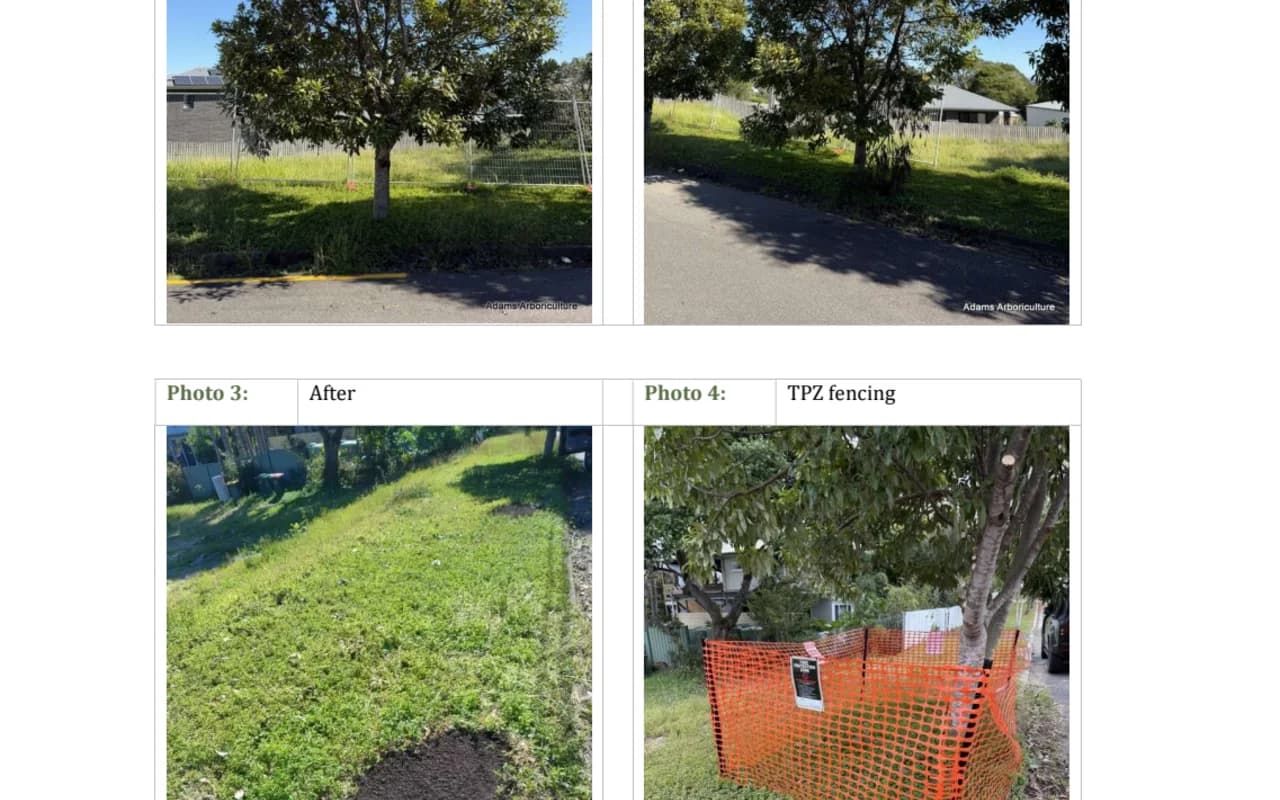
What it contains
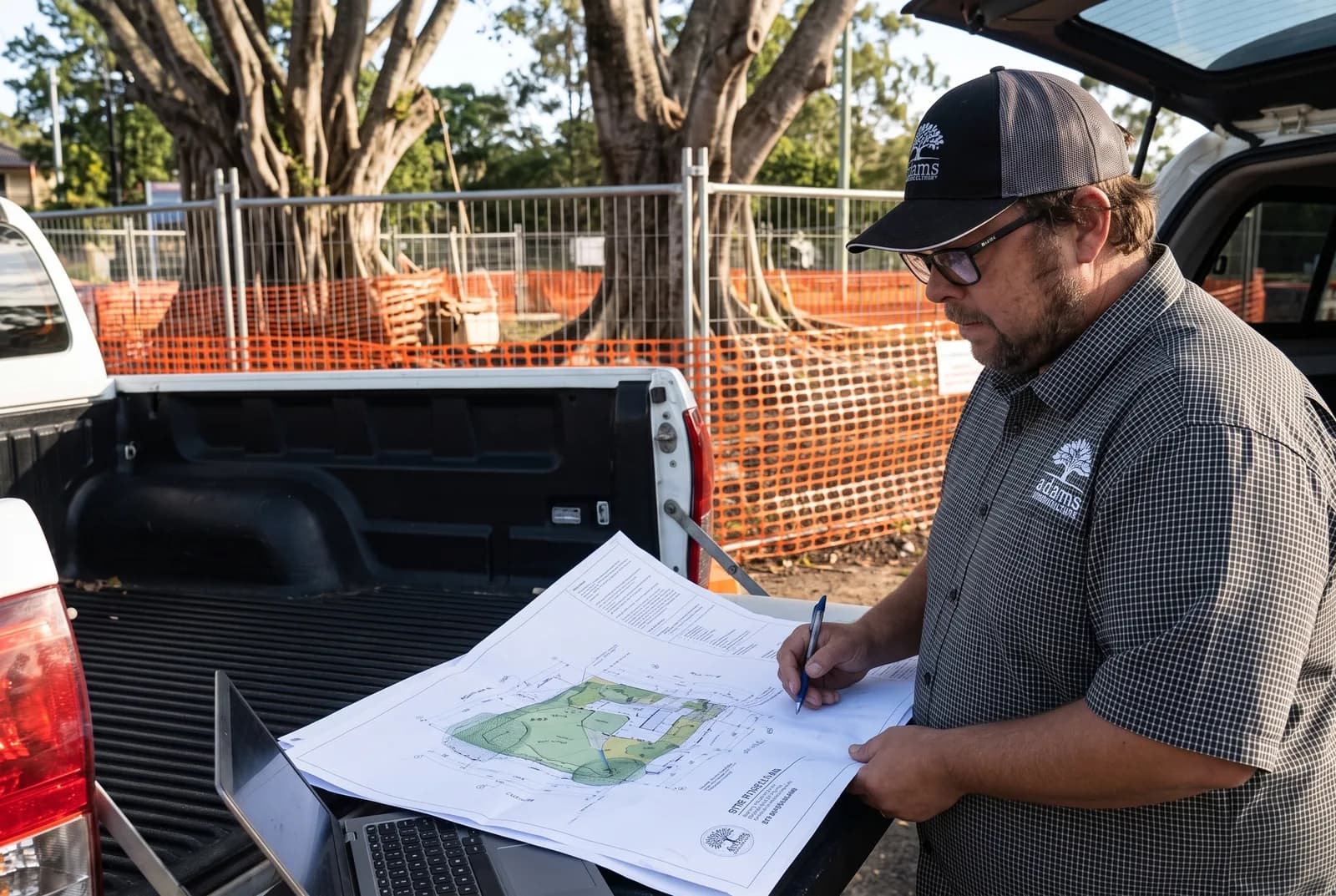
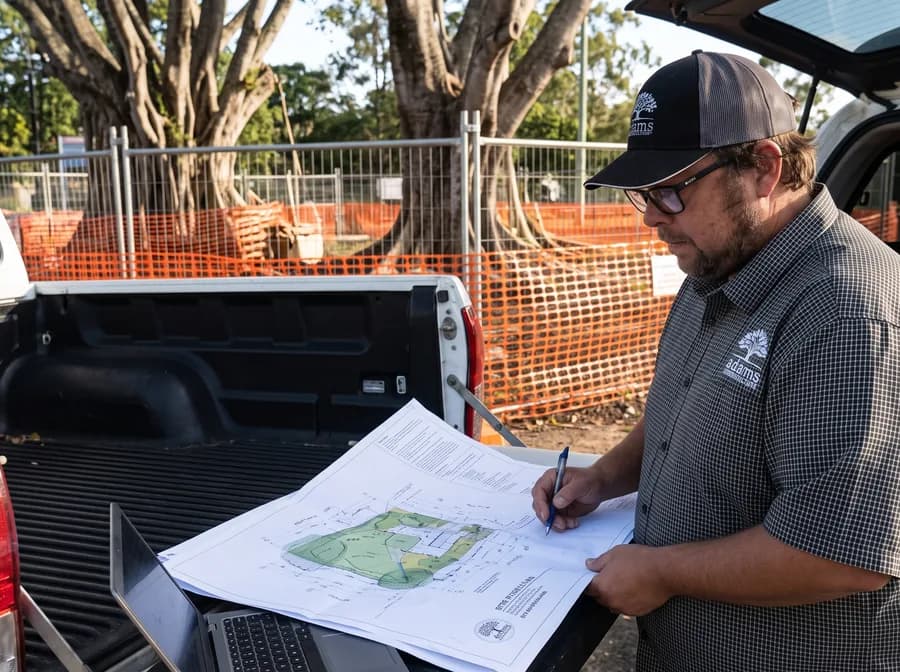
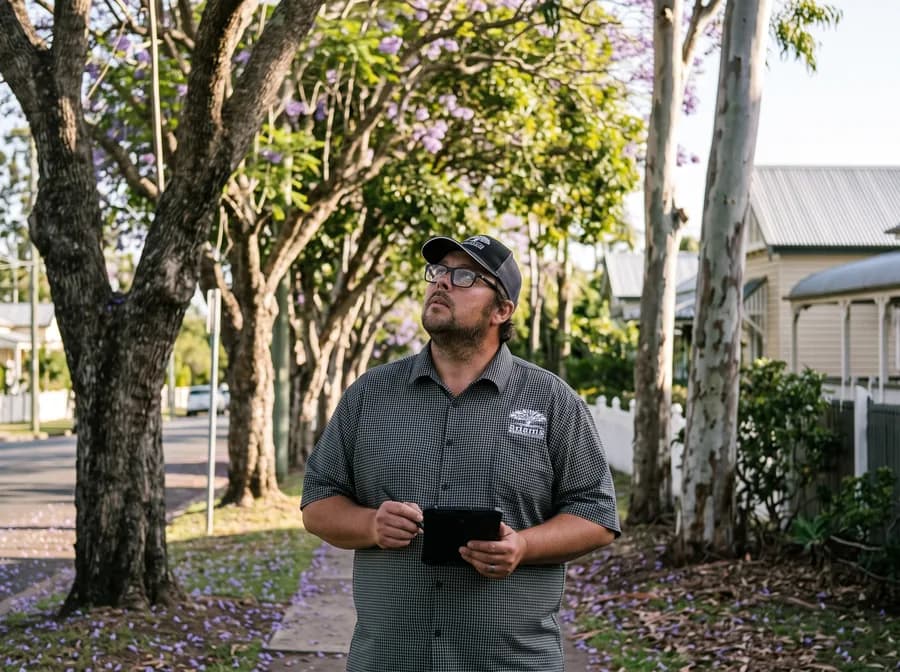
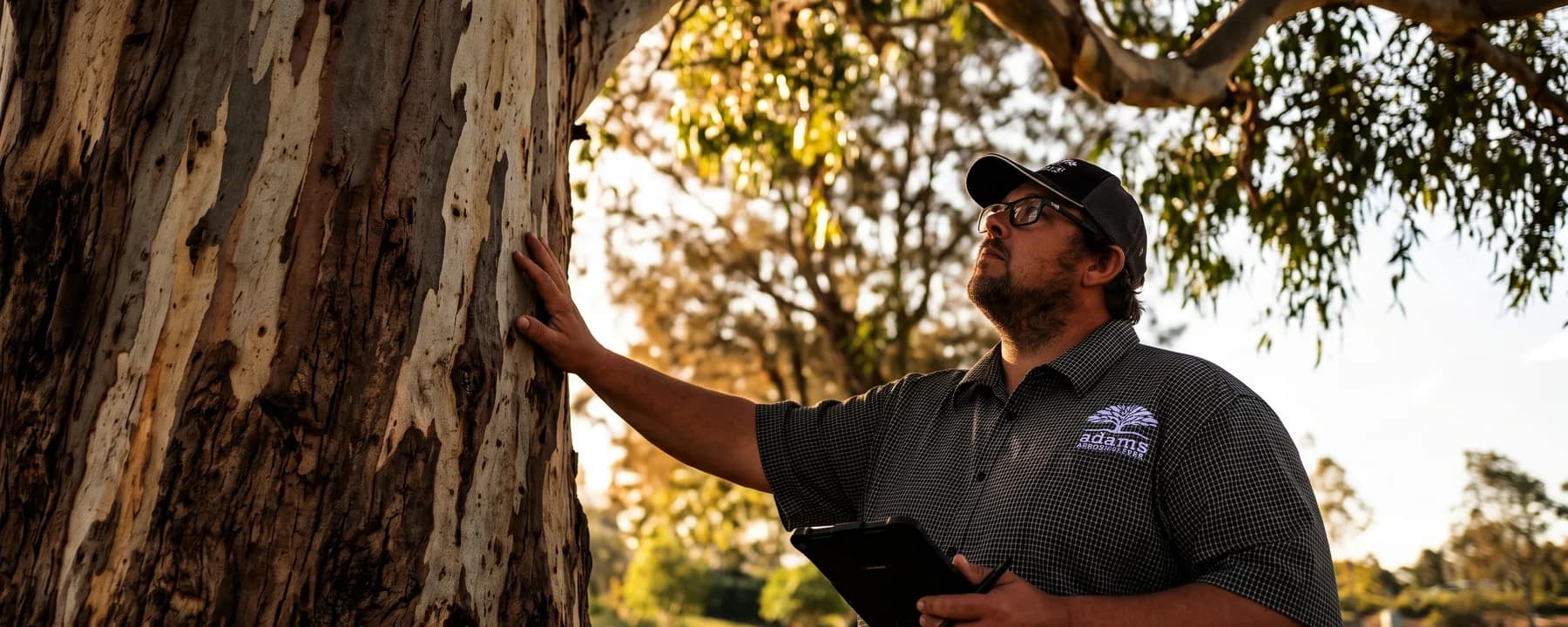
The assessment happens on site, and the report records it rather than reconstructing it afterwards from photographs.
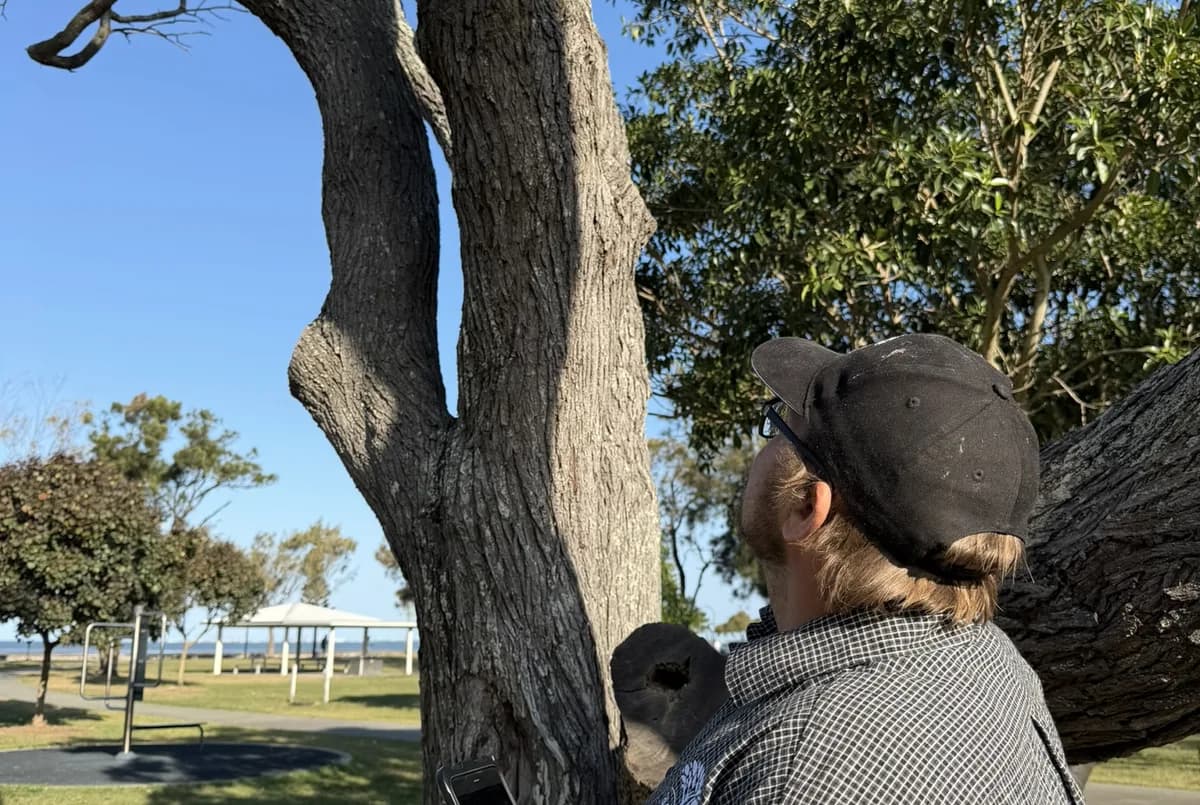
- Identification and dimensionsSpecies, height, spread, and trunk diameter measured on site.
- ConditionWhat state the tree is actually in, recorded rather than characterised.
- HealthVigour, canopy density, and whether anything is acting on the tree.
- StructureForm, unions, defects, and how the tree is holding itself up.
- Risk, where risk is the questionQuantified using QTRA rather than described as low, medium or high.
- Findings and optionsRetention, management, monitoring, targeted works or removal — with the reasoning.
Who usually needs one
Property owners deciding what to do about a tree. Insurers and bodies that need the condition of a tree established on paper. Schools, councils and property managers with trees they are responsible for. Buyers and sellers where a mature tree is part of what is changing hands.
It also comes up before contractor quotes. An independent assessment gives you a scope to put in front of contractors, so you are comparing quotes for the same defined job rather than taking each provider's account of what is necessary on trust.
When you need a report, and when you do not
Plenty of assessments are answered in conversation on site. What the tree is doing, whether it matters, and what the options are — said out loud, with the tree in front of both of you. Nothing is written because nothing needs to be.
A written report earns its place when someone other than you has to read it: a council, an insurer, a body corporate, a certifier, or a future owner. It also earns its place when the situation is complex enough that it should be recorded — a tree with a defect being monitored over time, for instance, where what matters is the comparison between this inspection and the next.
If a report is not warranted, Adam will say so rather than writing one. That is a cheaper outcome for you and a shorter engagement for him.
Who wrote it matters
A tree assessment report ends in a recommendation, and the value of that recommendation depends on what the person making it stands to gain from it.
Adams Arboriculture does not carry out removals, lopping or general tree work. Retaining a tree and removing it are the same outcome to Adam financially, which is what makes the finding worth relying on — and what makes it useful to whoever else has to read it.