Tree assessment · Brisbane and South East Queensland
A straight answer about the tree, before anyone quotes on it.
Condition, health, structure and risk, assessed on site by an arborist with no financial interest in the work that follows. Sometimes that means a report. Sometimes it means being told the tree is fine.
0415 105 592Call 0415 105 592or send the details across
Tell Adam about the tree
The address and what is worrying you is enough to start. Photographs help, and can come later.
What it is
An assessment, not a quote for tree work
Most people call an arborist because something has changed. A limb came down, a crack appeared, a builder said something, or a tree that was always there suddenly looks different. The question underneath is almost always the same: does this actually need work, and how urgently.
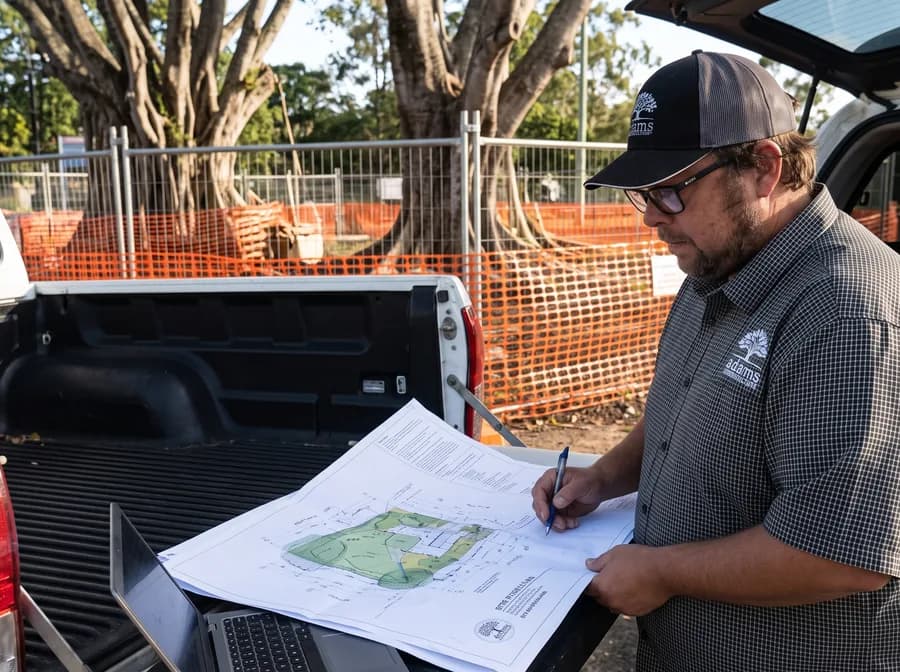
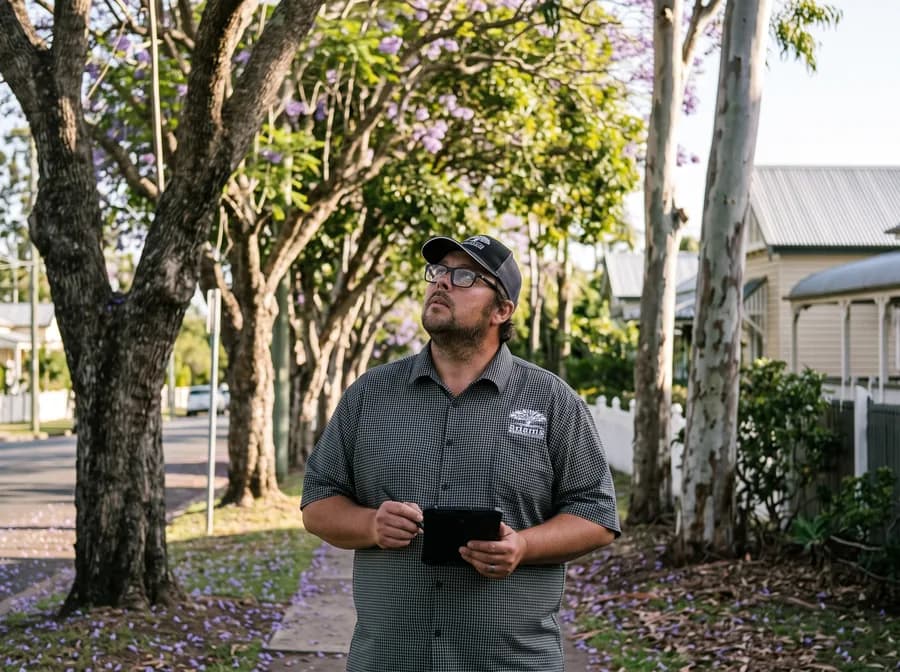
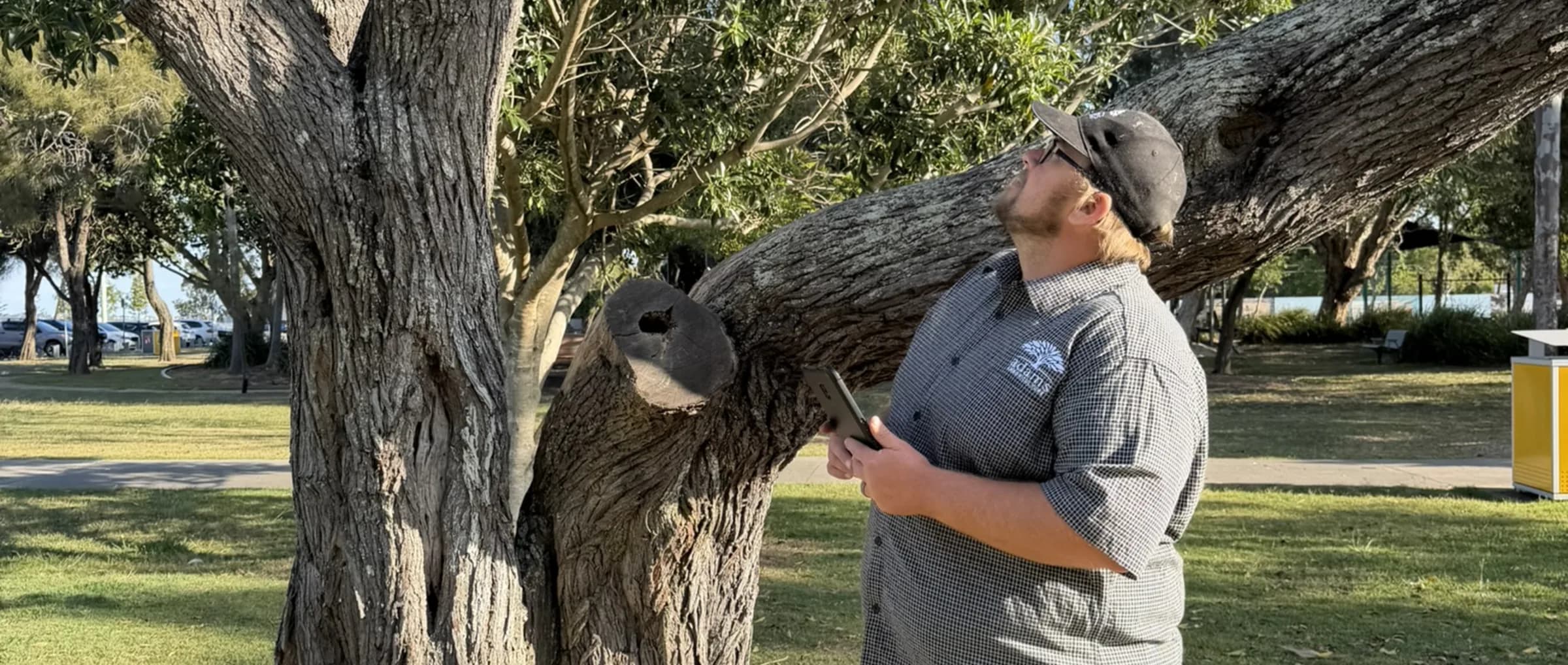
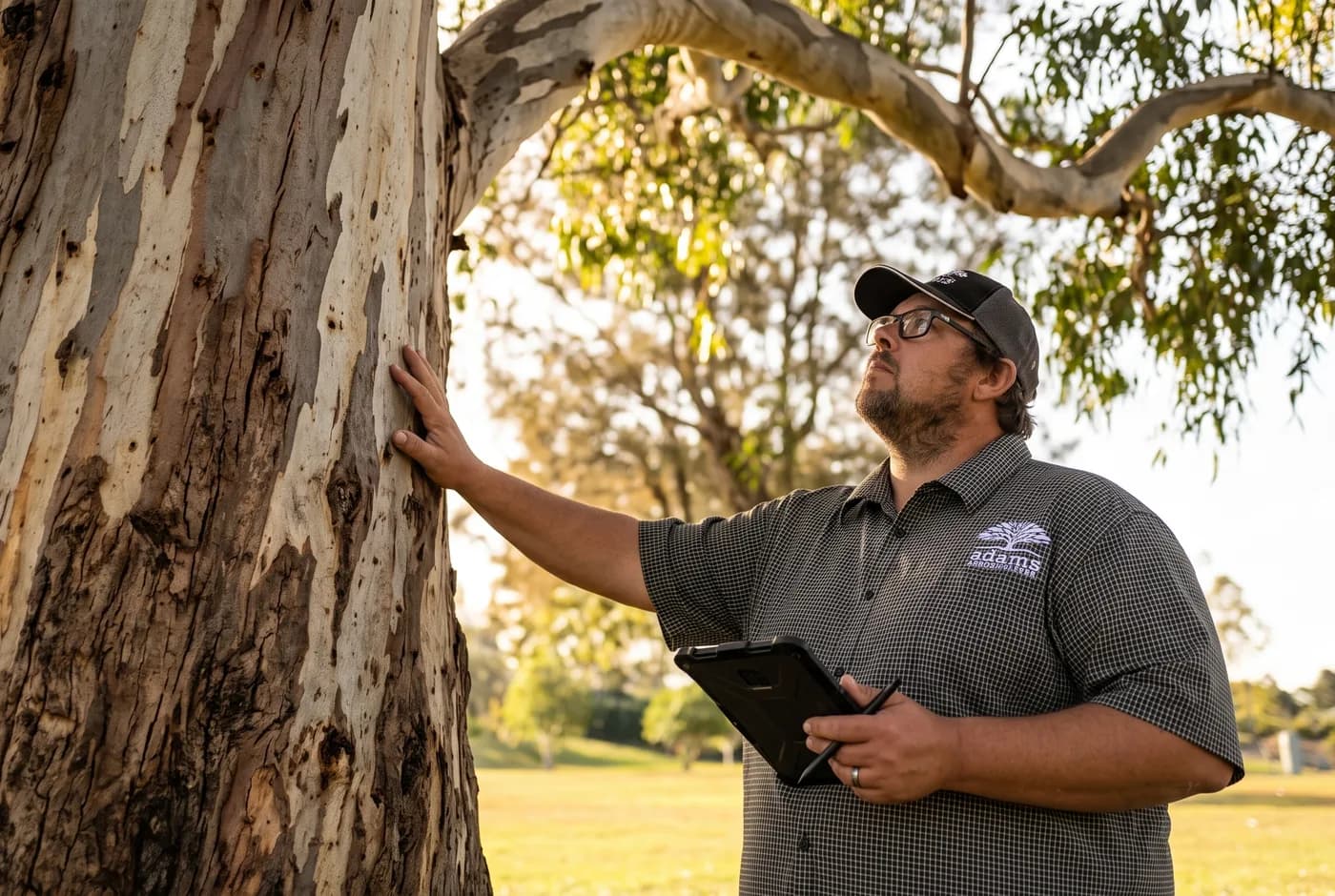
An assessment answers that. Adam inspects the tree on site — condition, health, structure, the relationship between the tree and what is around it — and tells you what he found and what the options are. Because he does not carry out general tree work, retaining the tree and removing it are the same outcome to him financially.
Sometimes that conversation is enough and nothing is written. Where the situation needs a formal document, or where a council or insurer will want one, a written report follows.
- Site inspectionThe tree looked at in place, with what surrounds it taken into account.
- Condition assessmentWhat state the tree is actually in, recorded rather than estimated.
- Tree health assessmentVigour, canopy, and whether something is acting on the tree.
- Structural assessmentForm, unions, defects and how the tree is holding itself up.
- Tree risk assessmentRisk quantified using QTRA, the method Adam holds Licence No. 6712 in.
- Retention and management adviceWhether to keep, manage, prune or remove — and what that involves.
How it runs
Look at the tree, then decide what is needed
The order matters. A report written before anyone has looked at the tree is a document, not an assessment.
- 01
Tell Adam what changed
The address, the tree and what prompted the call. Photographs are useful but not required. If the question can be answered without an inspection, he will say so.
- 02
Inspection on site
A visual assessment of the tree in its actual setting: condition, health, structure, the root plate and buttress, defects, and the relationship between the tree and the buildings, services and people around it. Measurements are recorded on site, not estimated afterwards.
- 03
Risk, where risk is the question
Where the concern is safety rather than health, risk is quantified using the Quantified Tree Risk Assessment method. QTRA gives a considered figure instead of an adjective, which is what makes it defensible to a council, an insurer or a body that has to make a decision.
- 04
The findings, and the options
What was found, what it means, and what can be done about it — retention, management, monitoring, targeted pruning or removal. Written up where a document is needed, and explained either way.
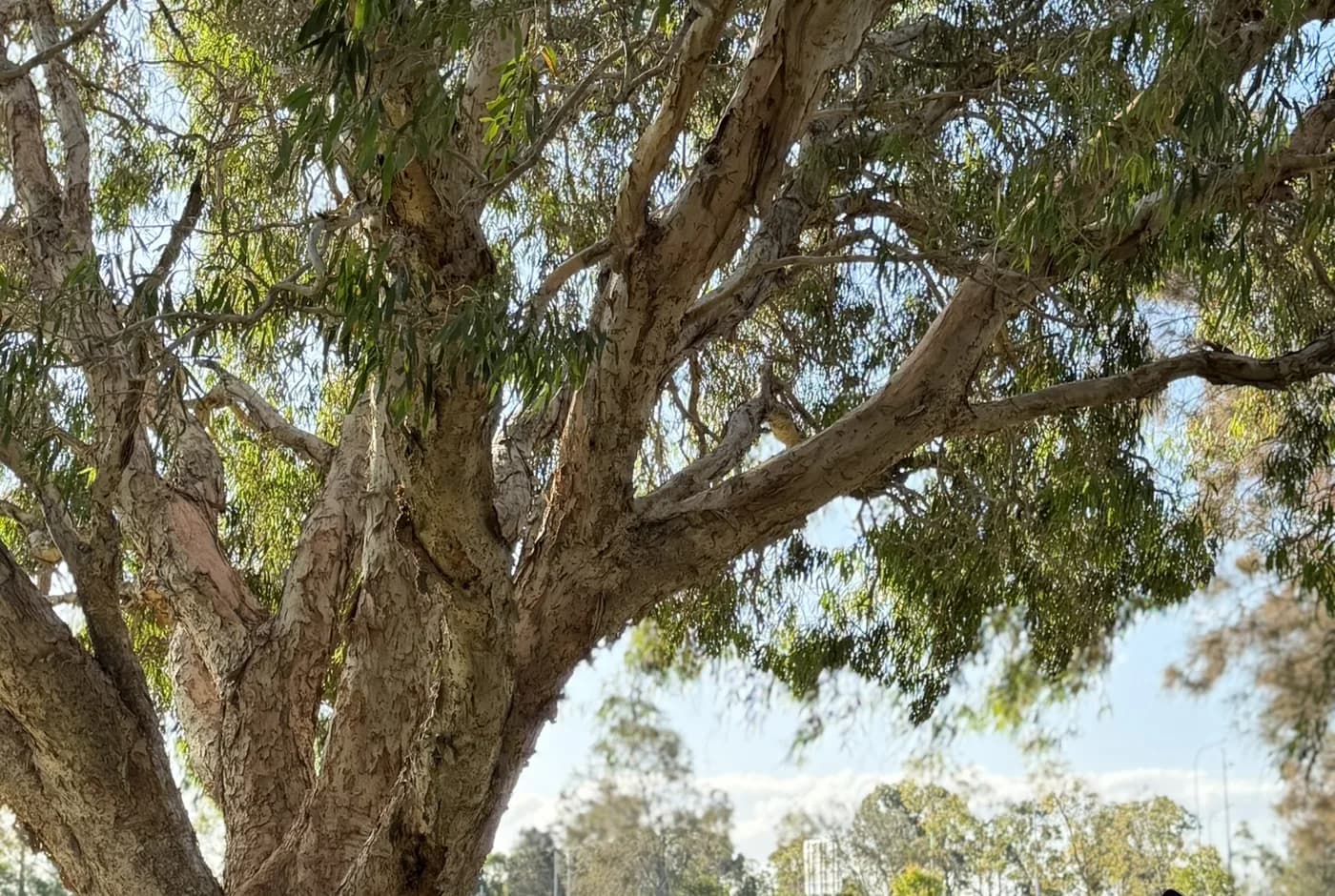
Assessment types
Go straight to the one that applies
Seven pages under this one, each written for a specific situation.
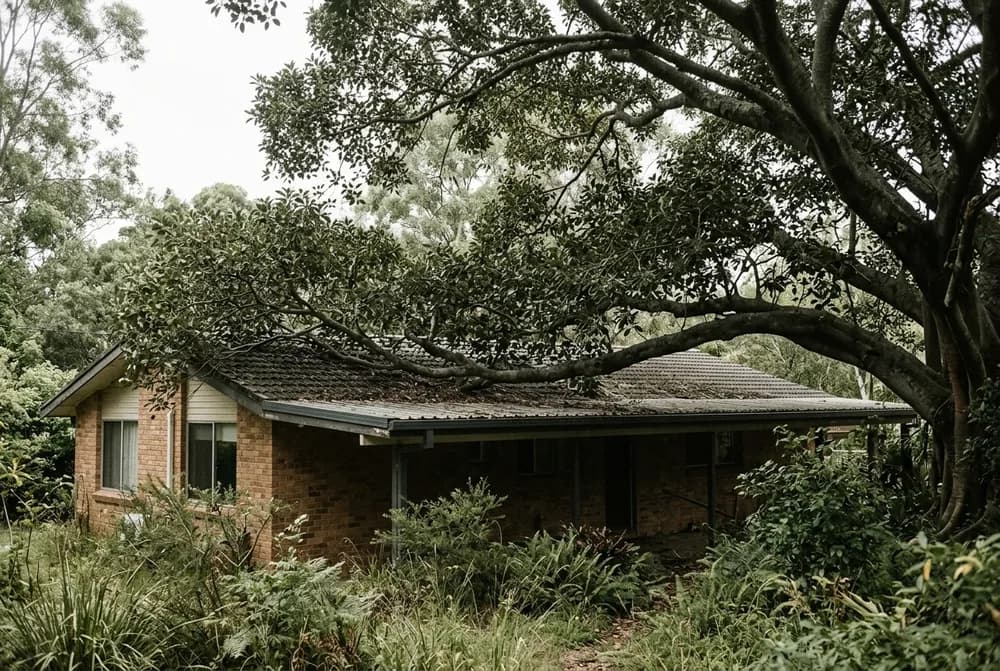
Tree risk assessment
Where the concern is what the tree could reach.
Read more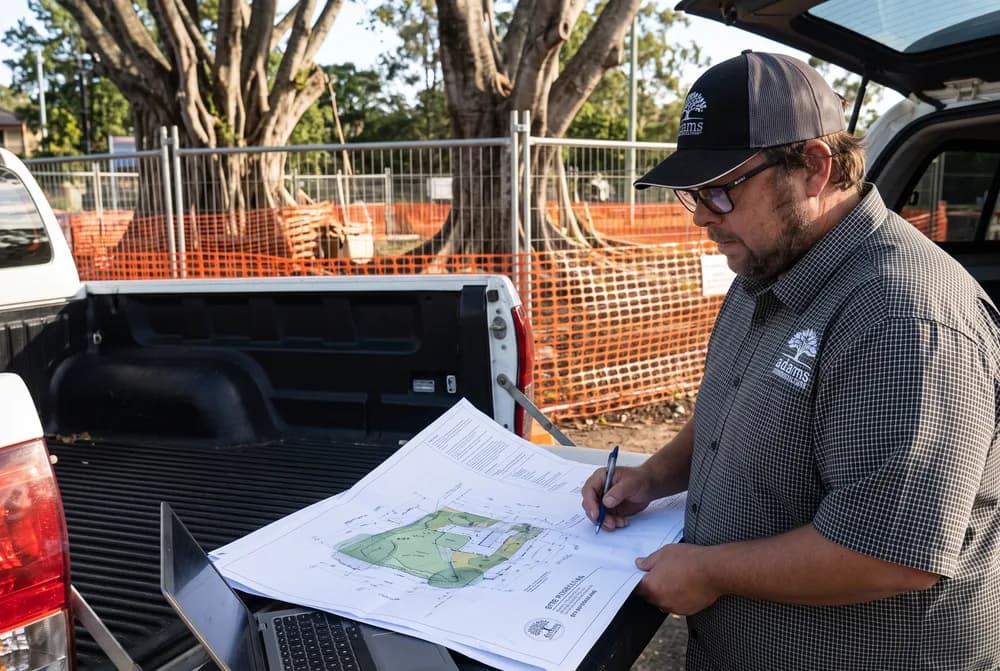
QTRA
The quantified method, and what the numbers mean.
Read more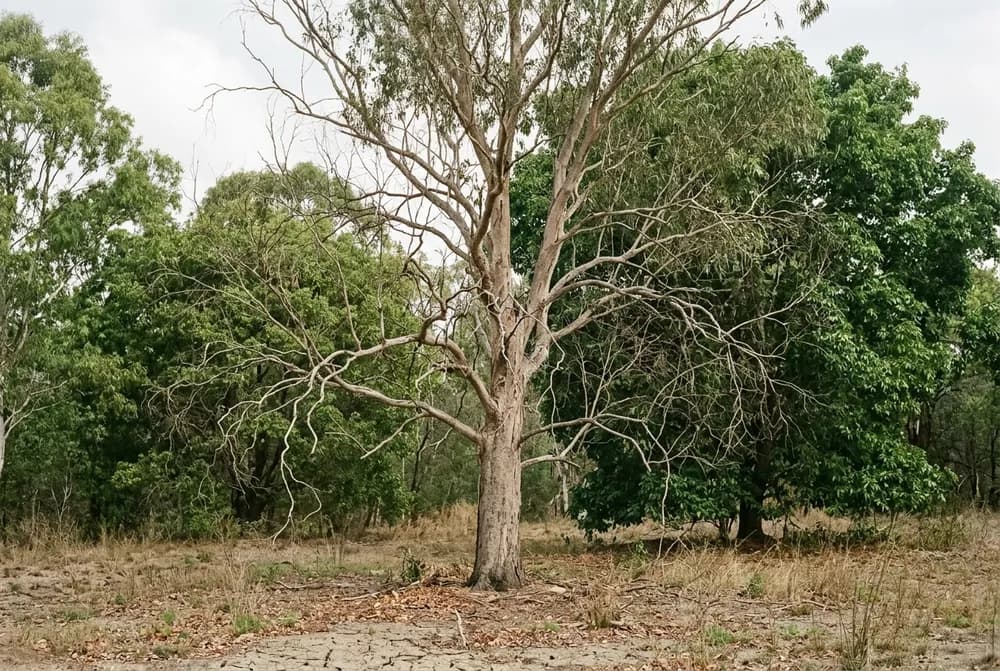
Tree health assessment
Vigour, decline, and whether something is acting on the tree.
Read more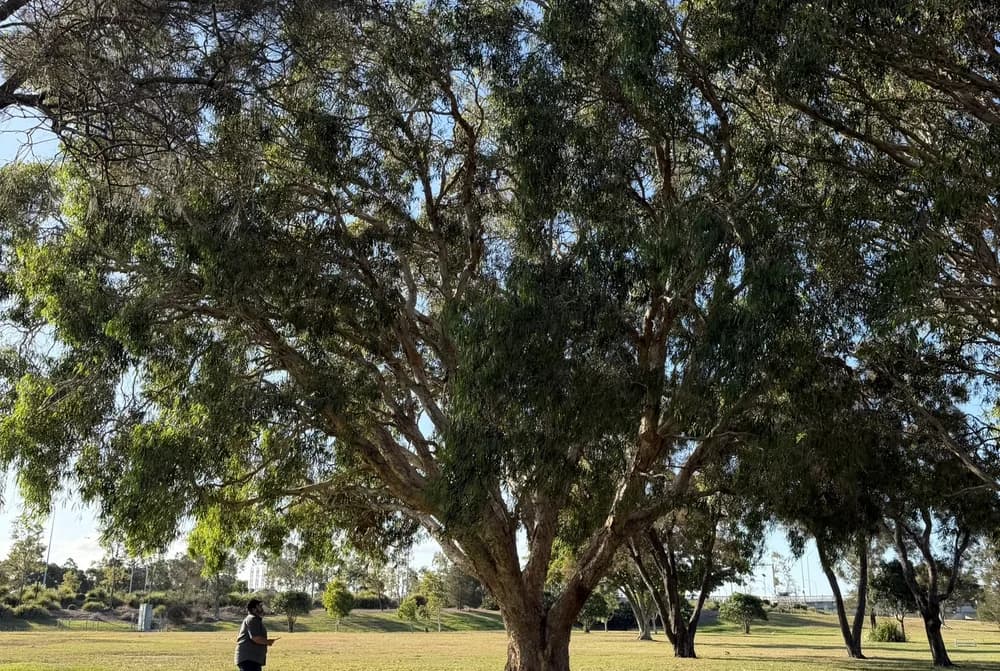
Tree inspections
A single visit, on site, with findings you can act on.
Read more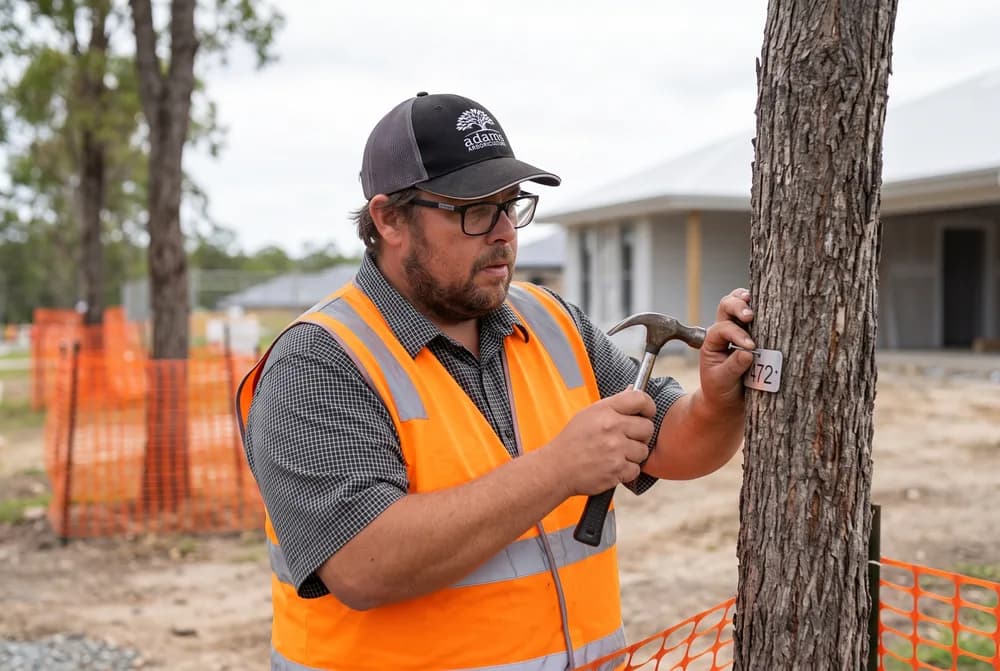
Tree surveys
Every tree on the site, tagged, measured and recorded.
Read more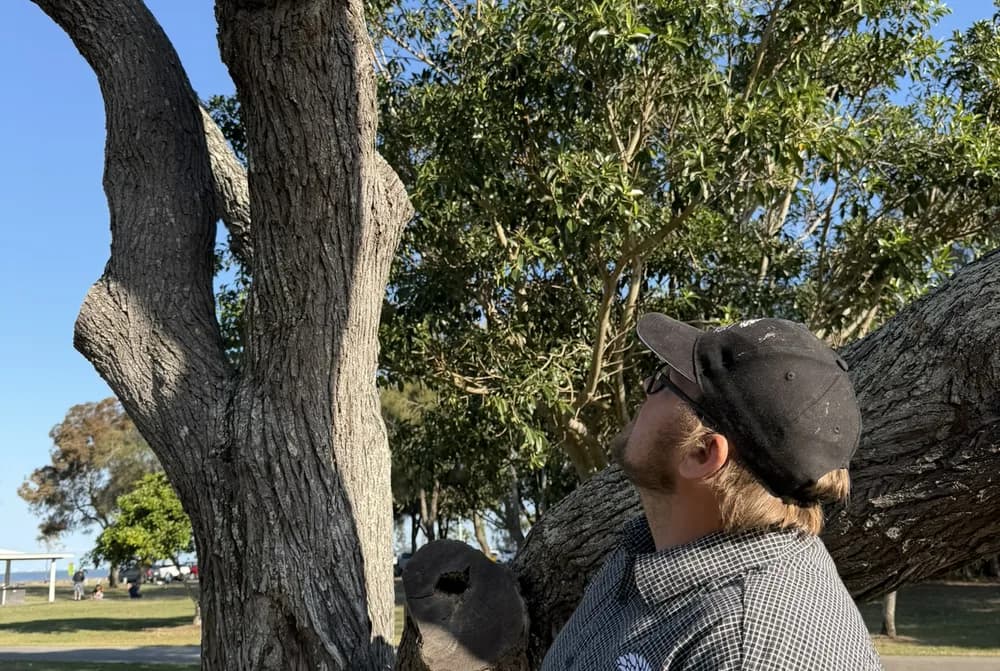
Hazardous & dangerous trees
What the words mean, and who gets to decide.
Read more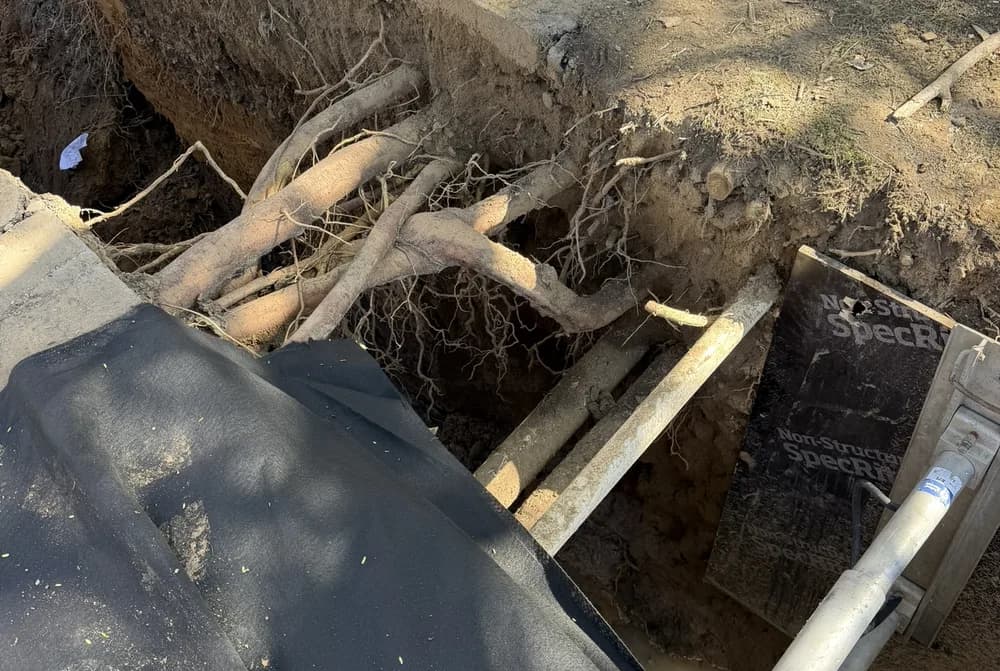
Trees near houses & structures
Roots, footings, gutters, and what actually causes damage.
Read more
Common questions
Before you book anyone
Often just advice. Many assessments are answered in conversation on site — what the tree is doing, whether it matters, and what the options are. A written report is needed where a council, a certifier, an insurer or a body corporate will want the findings on paper, or where the situation is complex enough that it should be recorded.
That is what the assessment is for, and it is answered after looking at the tree rather than before. What is worth knowing up front is that Adam does not carry out removals or general tree work, so retaining the tree and removing it are the same outcome to him. The recommendation follows the tree, not the invoice.
Quantified Tree Risk Assessment — a method for putting a considered number against the risk a tree presents, rather than describing it as low, medium or high and leaving everyone to interpret that. It weighs what the tree could reach, how likely failure is, and what the consequence would be. Adam holds QTRA Licence No. 6712.
Because some of the things that matter are not visible from the ground at a glance — included bark in a union, decay behind sound-looking bark, a compromised root plate, or a change in the ground around the tree. Equally, plenty of trees that look alarming are structurally fine. The assessment is what tells the two apart.
Yes. Where a site has a number of trees, a survey records each one — identification, measurements, condition and any defects — so the whole site can be considered together rather than tree by tree. That is usually what a development, a school or a larger property needs.
It might be right, and it is worth having it confirmed by someone who is not quoting on the work. An independent assessment gives you a scope you can put in front of contractors, so you are comparing quotes for the same job rather than taking each one on trust.
Contact
Send Adam the address and he will take it from there
For many protected vegetation questions, the property address is enough to start checking. Call, or send the details below.