

What a PAR is for
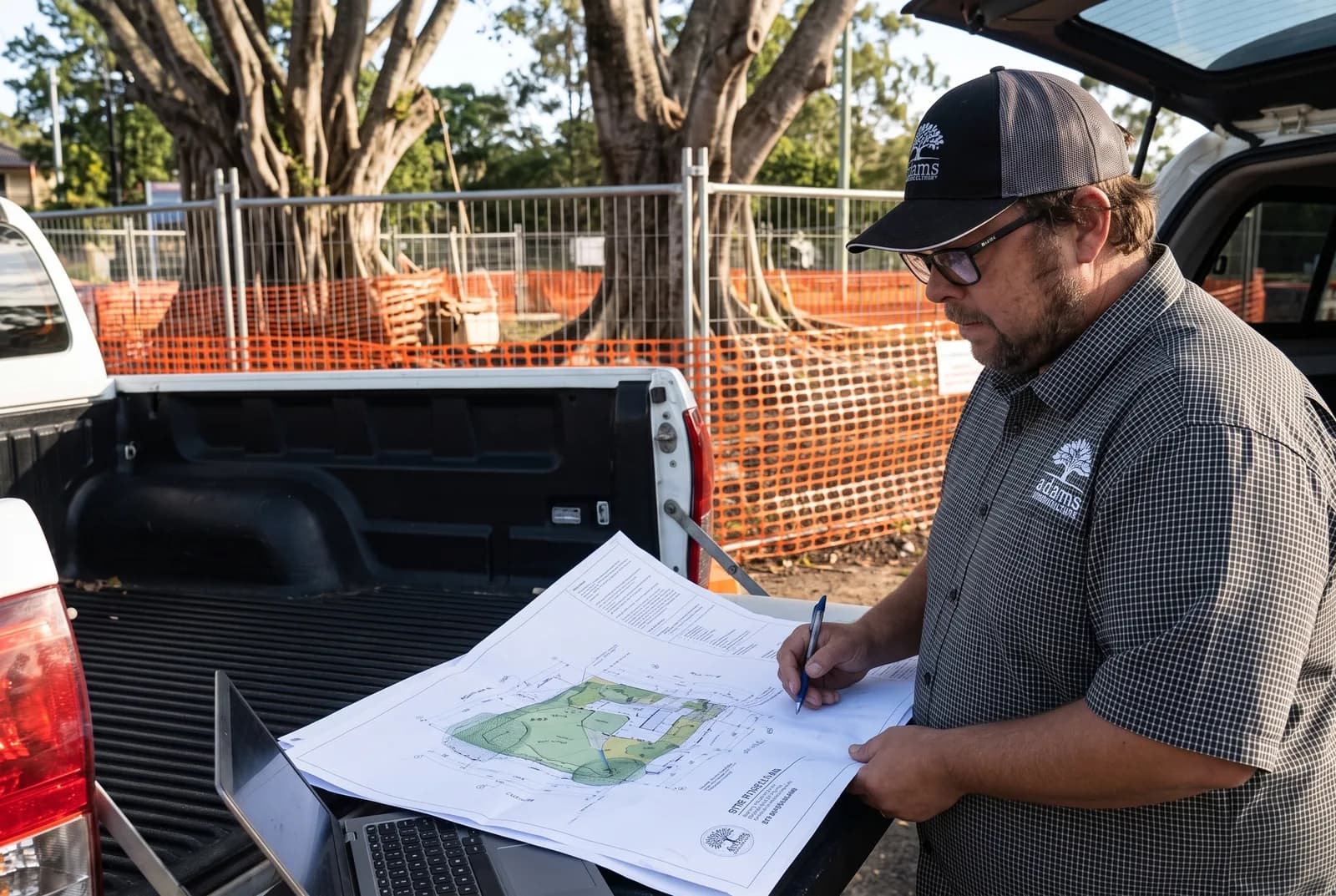
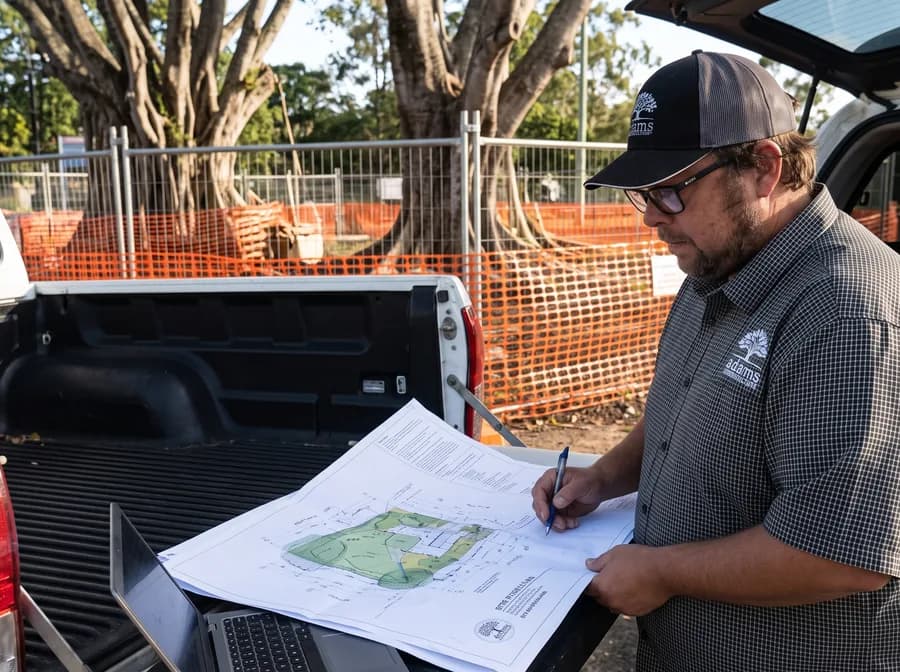
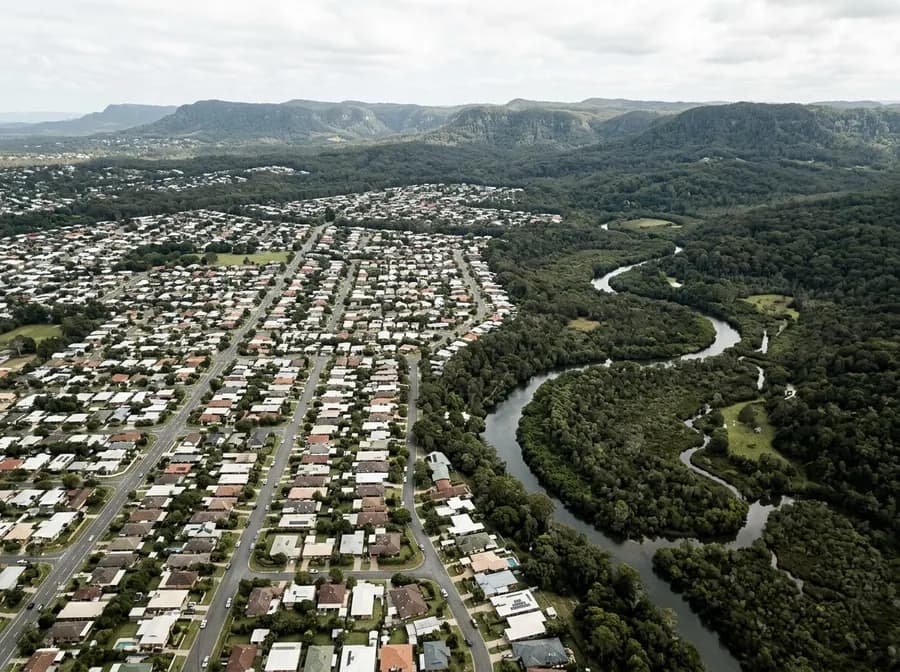
A Preliminary Arboricultural Report sits at the design and planning stage. Its job is to establish what is on the site and what that means for a proposal that has not been fixed yet — the trees, their condition, their zones, and which of them are going to shape the layout.
It is written to be used. A PAR that arrives after the design is locked has been produced at the wrong time, whatever it says. The document exists precisely so the constraints reach the drawing while the drawing can still absorb them.
AS 4970:2025 introduced and formalised the term. Older approvals and documentation may use different language, and where they do, the naming in the approval governs.
A PAR is not an early AIA
This is the distinction that causes the most trouble on development sites, and it is worth being blunt about it.
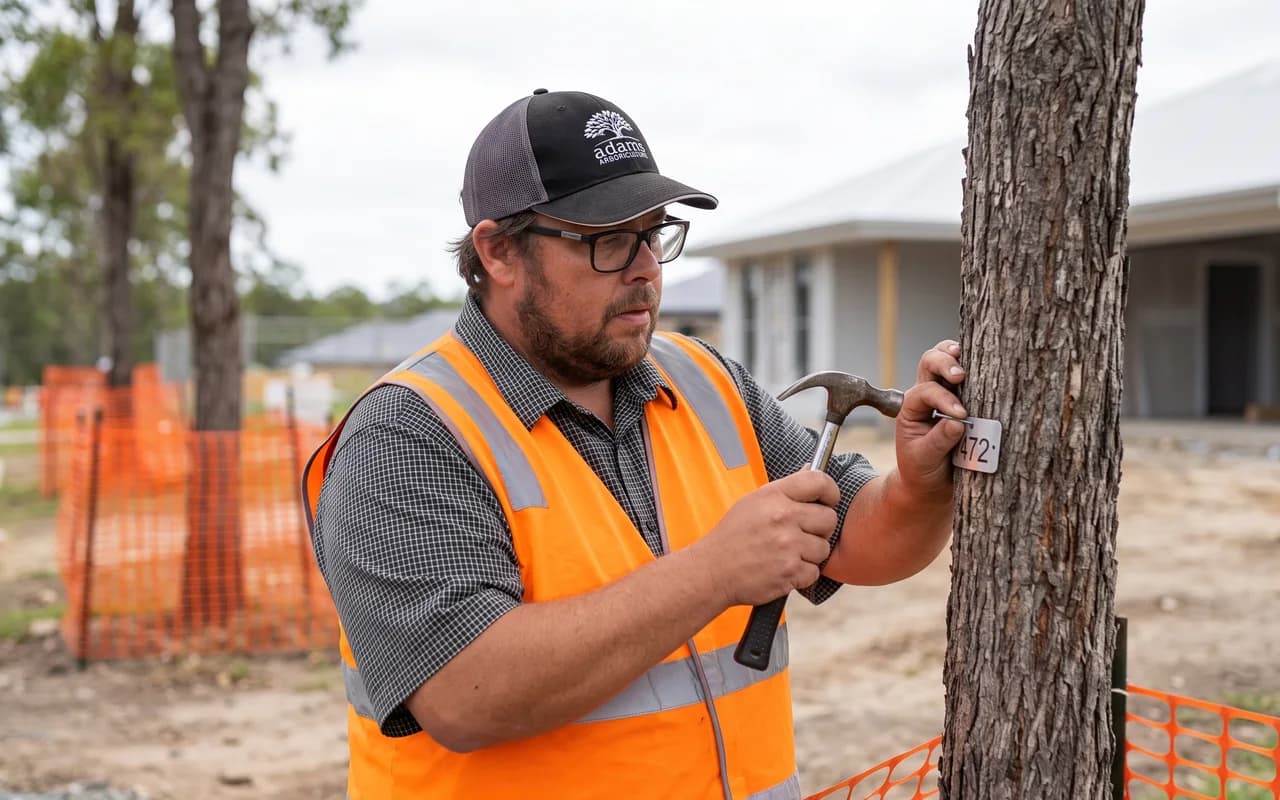
A Preliminary Arboricultural Report addresses the site and its trees at design stage. An Arboricultural Impact Assessment addresses the impact of a specific proposed development on those trees. They answer different questions, at different points, and AS 4970:2025 treats them as separate documents.
They are not interchangeable, and a PAR relabelled as an AIA does not become one. Where a council condition, a permit or a certifier names a document, that name is what gets prepared — substituting a different report type for convenience is how a project ends up buying two.
- Preliminary Arboricultural ReportDesign and planning stage. What is here, and what it means for a layout that can still move.
- Arboricultural Impact AssessmentThe impact of a specific proposal on the trees. What most approvals name.
- Tree Protection Plan and SpecificationsHow the retained trees are protected once works are approved.
- Completion Report or Declaration of ComplianceAfter approved works, where a condition requires certification.
If the wording you were given does not name a document type, send it to Adam before commissioning anything. Reading what was actually asked for is the first job.
What the report contains
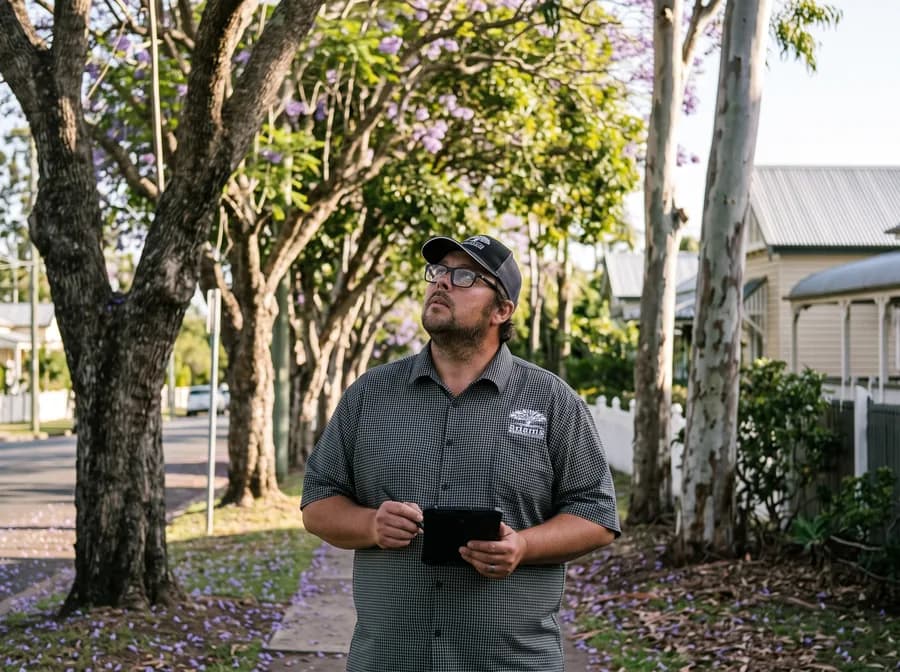
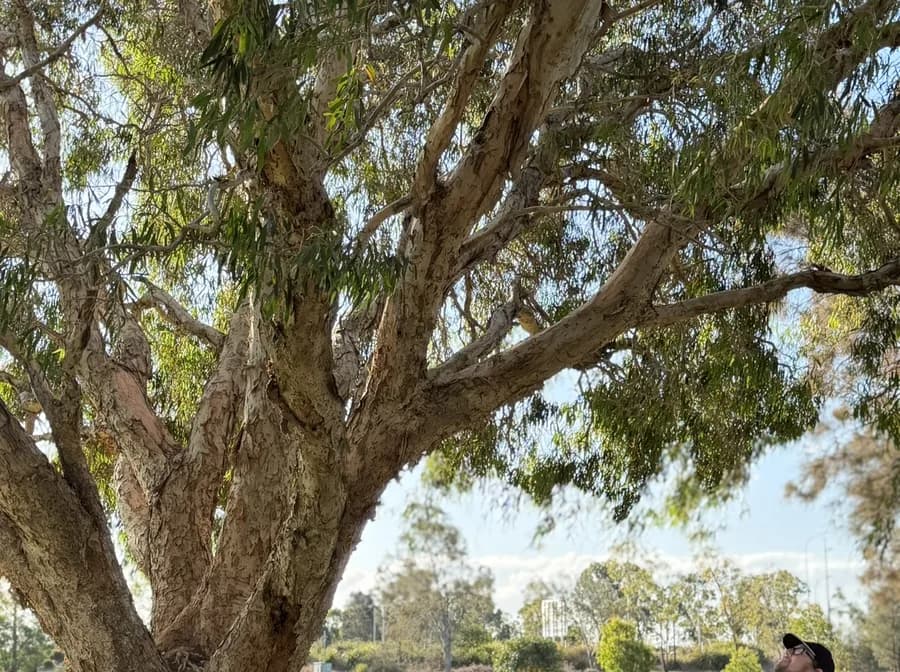
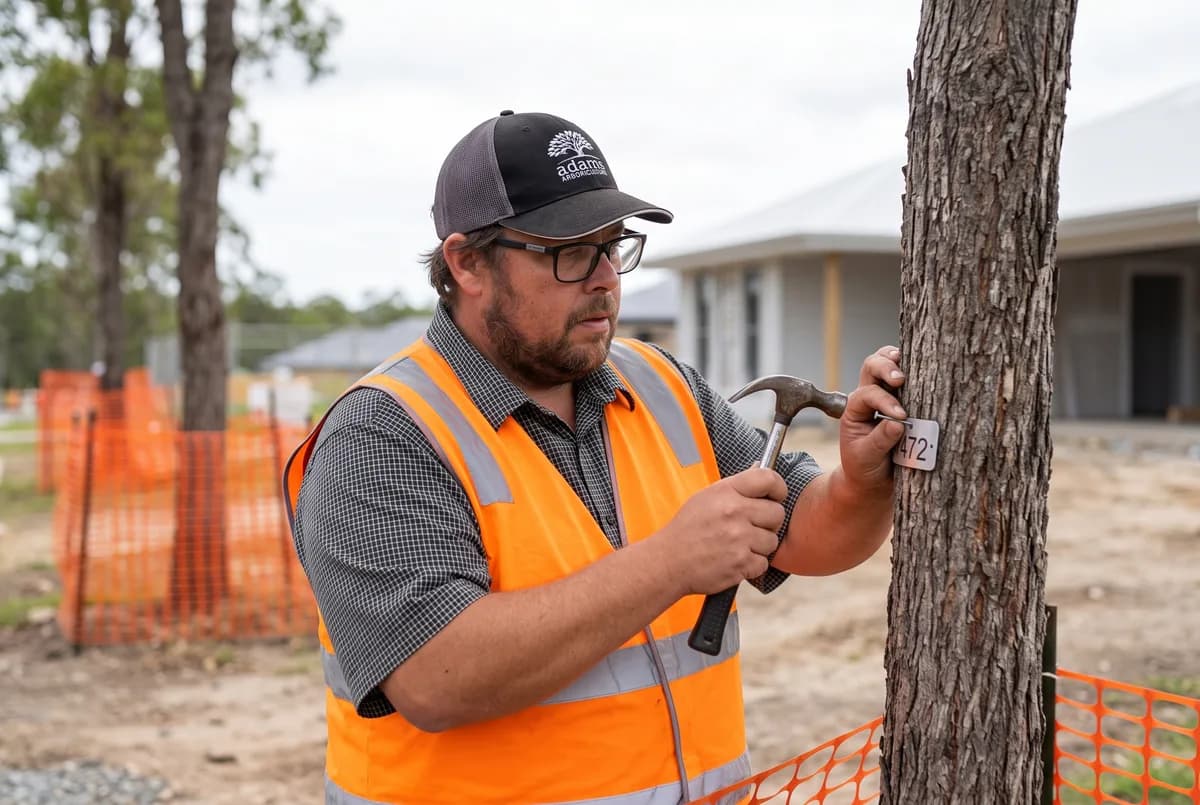
The trees on and adjoining the site, identified and measured on site rather than estimated from a plan. Condition, structure and health. The zones each tree carries, calculated from the trunk diameter at 1.4 metres.
Then the part that matters to the design team: which trees are genuine constraints, which are opportunities, what the likely council requirements are, and how retention might be achieved within the shape the project is heading toward.
When a PAR is the right document
When the design is still moving and you need to know what the site can carry. When a planner or certifier has named one. When a project is large enough that discovering a constraint late would be expensive.
When the proposal is fixed and its impact on the trees has to be assessed, that is an Arboricultural Impact Assessment instead — and on many projects both are prepared, in that order, because they do different work.