Proximity on its own is not a finding
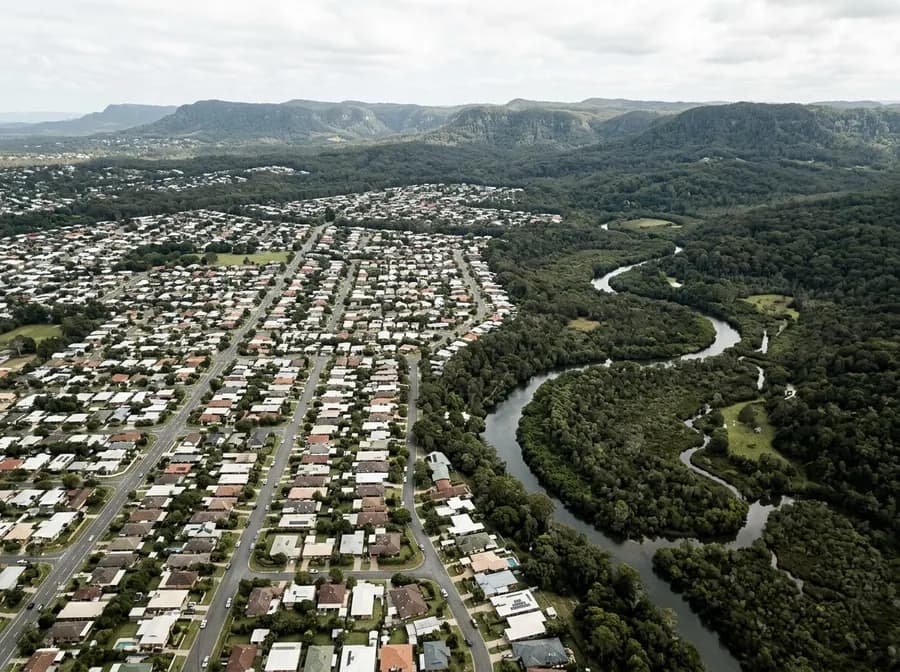
Trees and buildings have coexisted for a very long time, including at distances that look alarming. A tree being close to a structure is the reason to have it assessed; it is not the conclusion of the assessment.
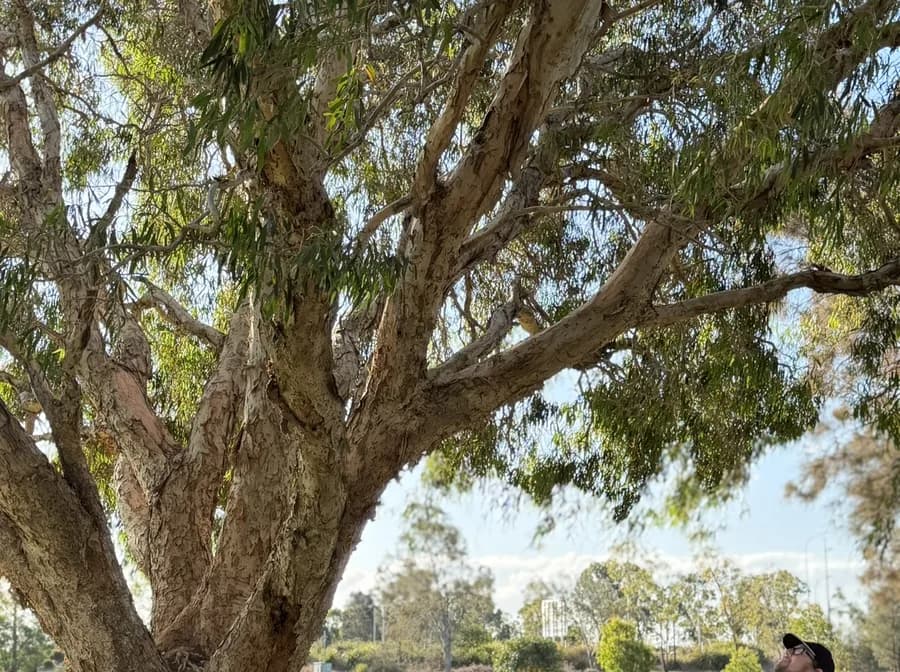
What matters is what the tree is actually doing. Is there structural damage, and is the tree causing it? Are roots lifting a surface, or has that surface failed for another reason? Is the canopy over the roof healthy and well-structured, or does it carry a defect?
Those are separable questions, and answering them usually narrows the situation considerably from "there is a large tree next to my house".
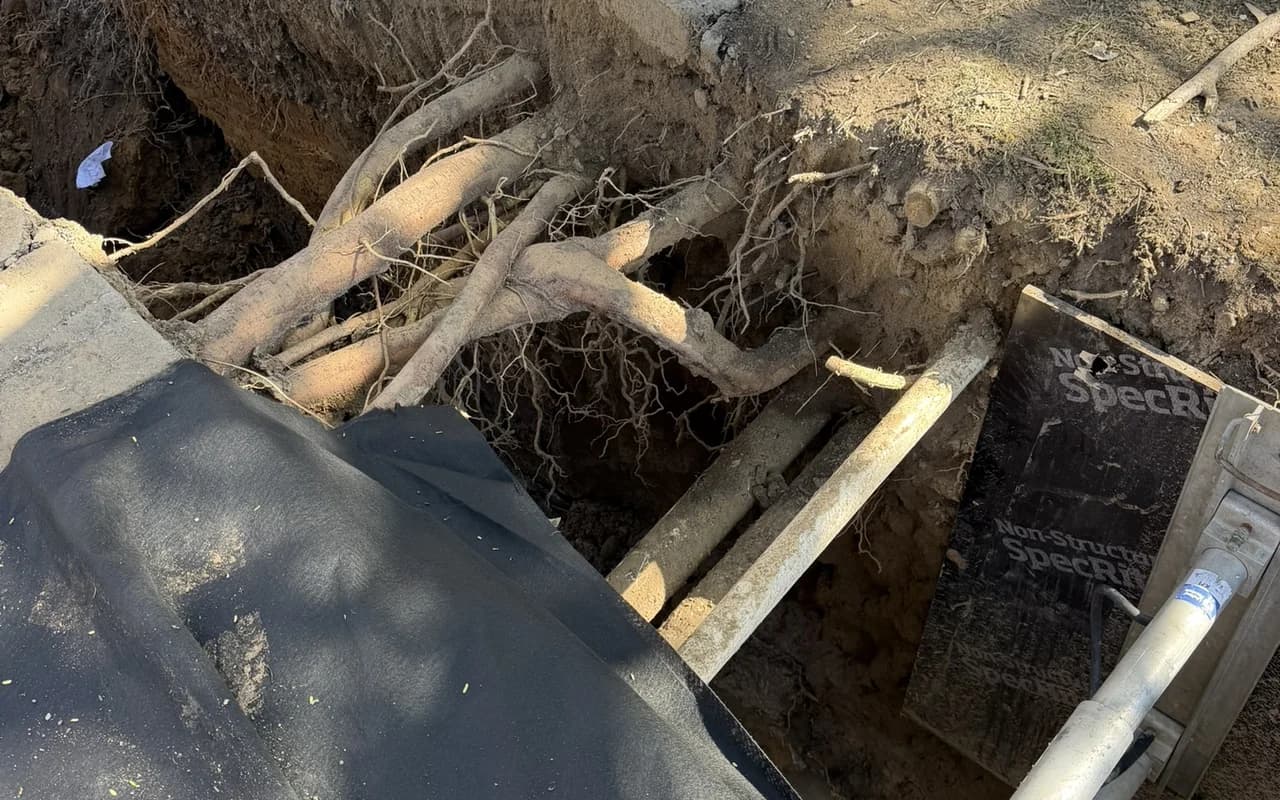
What roots actually do
Roots follow moisture and oxygen through the path of least resistance. They do not seek out pipes or foundations, and they are not capable of the deliberate targeting they get credited with.
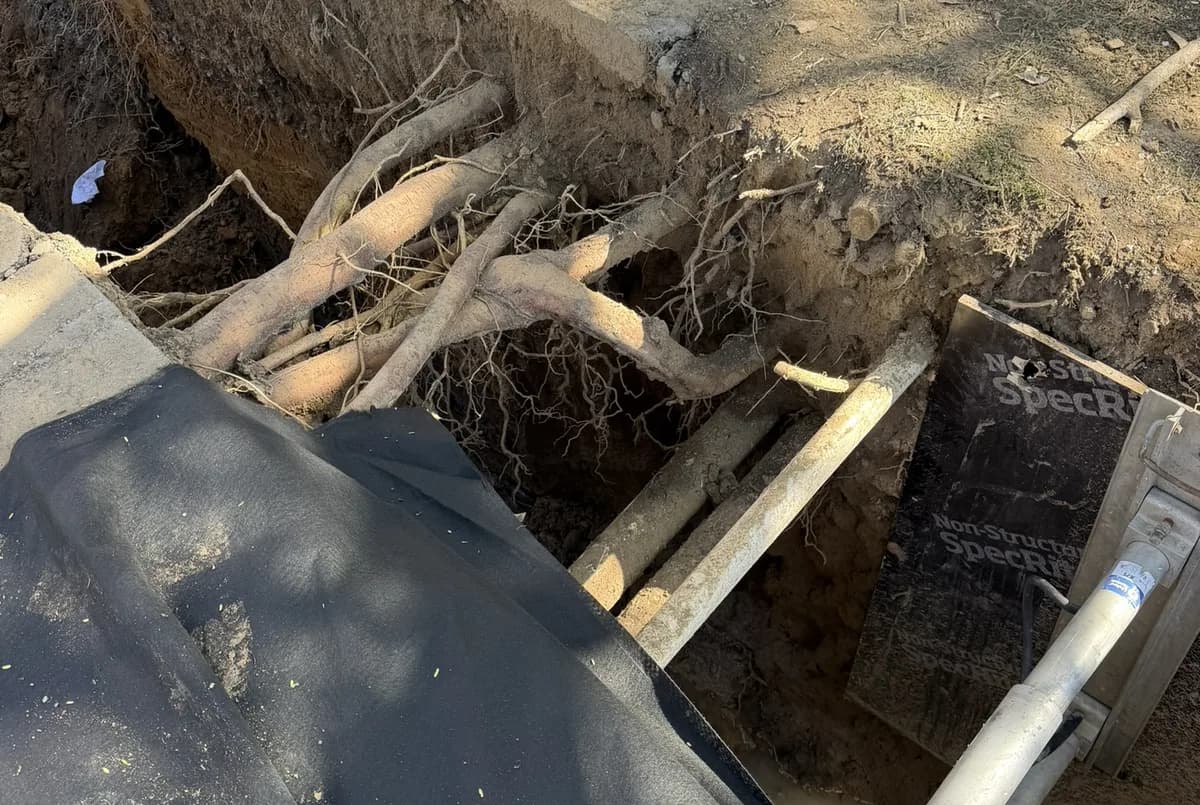
What they can do is exploit an opportunity. A pipe already cracked leaks moisture, and roots proliferate at the leak — which is a symptom of the failed pipe as much as a cause of further damage. Surface roots lift paving because paving is thin and roots thicken. Soil moisture change near footings is a real phenomenon in reactive clay soils, and it involves the soil and the structure as much as the tree.
- Lifted paving or drivewayCommon, usually a surface issue, and frequently resolvable without removing the tree.
- Roots in pipesWorth establishing whether the pipe failed first. Roots exploit leaks more often than they cause them.
- Overhanging limbsA risk question — what the limb is, what condition it is in, and what is beneath it.
- Debris in guttersA maintenance issue, and not a structural finding about the tree.
- Cracking in a structureMay involve soil movement, footing design and drainage. Engineering and geotechnical input belongs here alongside arboricultural input.
Where a structure is cracking, an arborist assesses the tree's contribution. Establishing the cause of structural movement is an engineering and geotechnical question, and this business will not assert what belongs to another discipline.
What can be done short of removal
More than most people assume, which is usually the useful part of the assessment.
Root pruning, where the assessment supports it and the tree can tolerate it. Root barriers where a specific conflict needs managing. Surface reconstruction that accommodates root growth rather than fighting it. Targeted crown work to address a specific overhanging limb rather than the whole canopy. Or monitoring, where the situation is stable and the alarm was about proximity rather than change.
Removal is one option among those, and it is the right one sometimes. It is not the default, and it is worth being confident that it is necessary before spending money on it — particularly since the tree may also be protected.
The tree may also be protected
Whether you can act at all is a separate question from whether you should. Councils across South East Queensland protect vegetation under local laws, overlays and orders, and a tree in a back yard beside a house can be protected while a larger one down the road is not.
That check runs against the address and it is worth doing early — before booking a contractor, and before assuming the decision is yours alone.