Brisbane · consulting arboriculture
Consulting arborist working across Brisbane
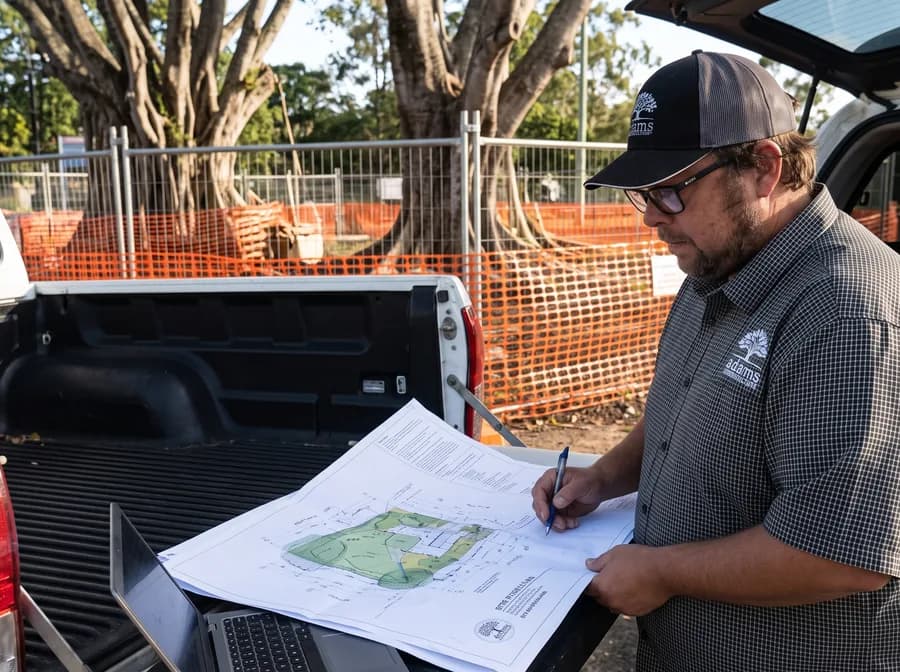
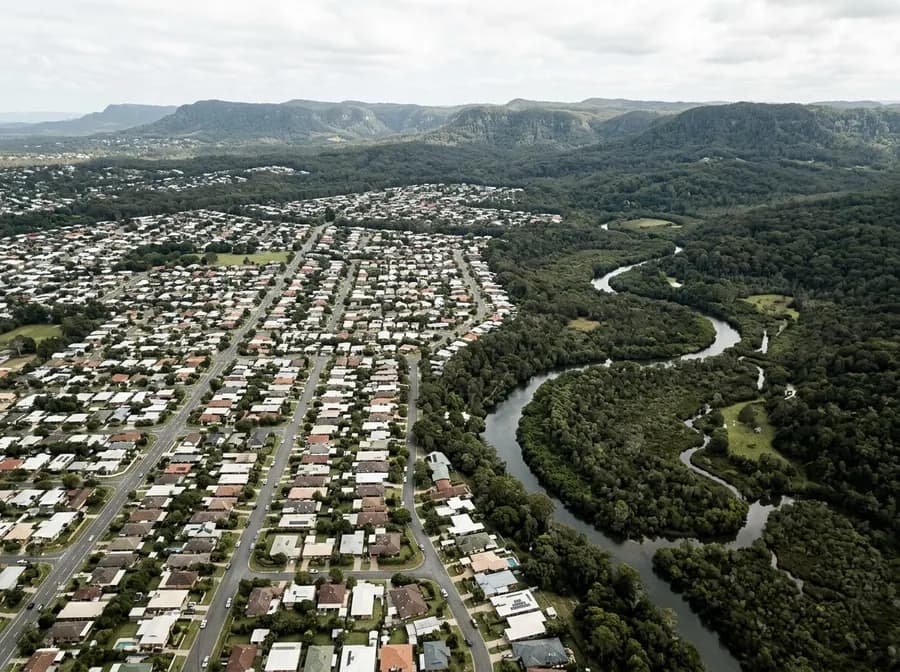
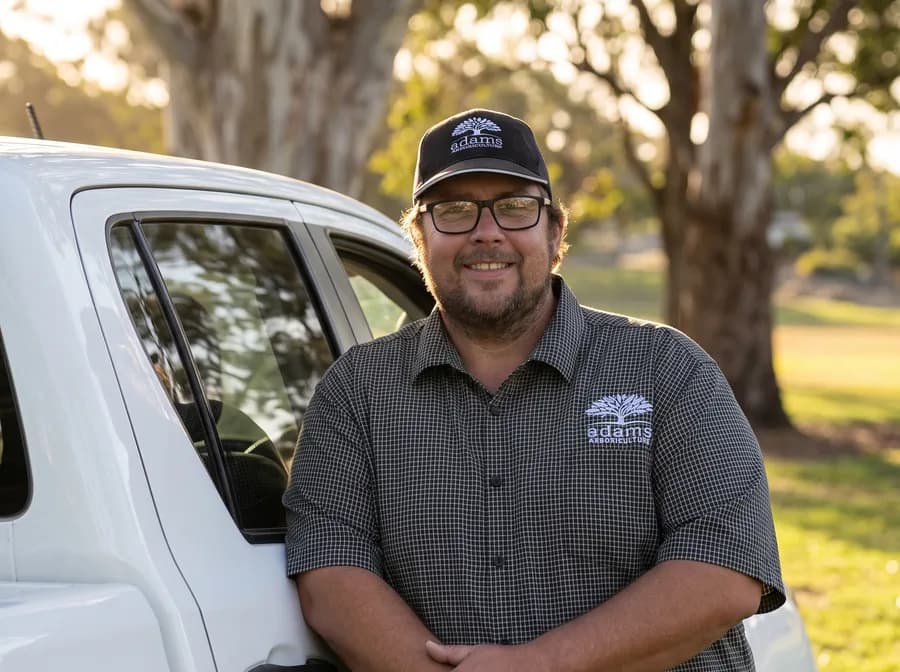
Brisbane puts very large, very old trees on very small lots, which is why so much of the work here is about what can be retained rather than what has to go. Adam De Regt is an AQF Level 5 consulting arborist — independent of any tree contractor, and engaged for the assessment and the document rather than the work that follows.
0415 105 592Call 0415 105 592or send the details across
Send the property address
An address in Brisbane is often enough to establish what is involved before anything is commissioned.
The trees here
What grows in Brisbane, and what that means on site
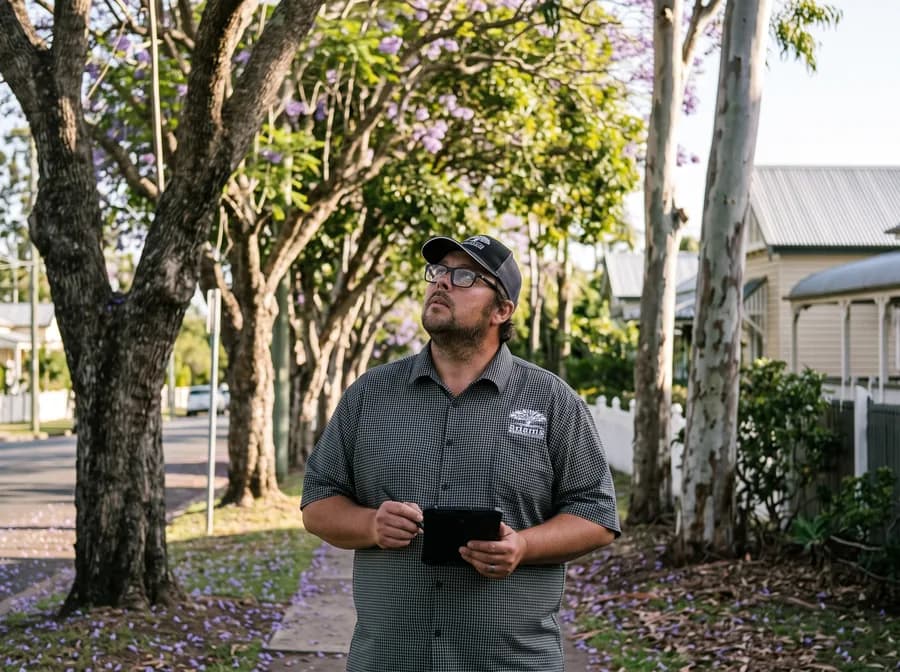
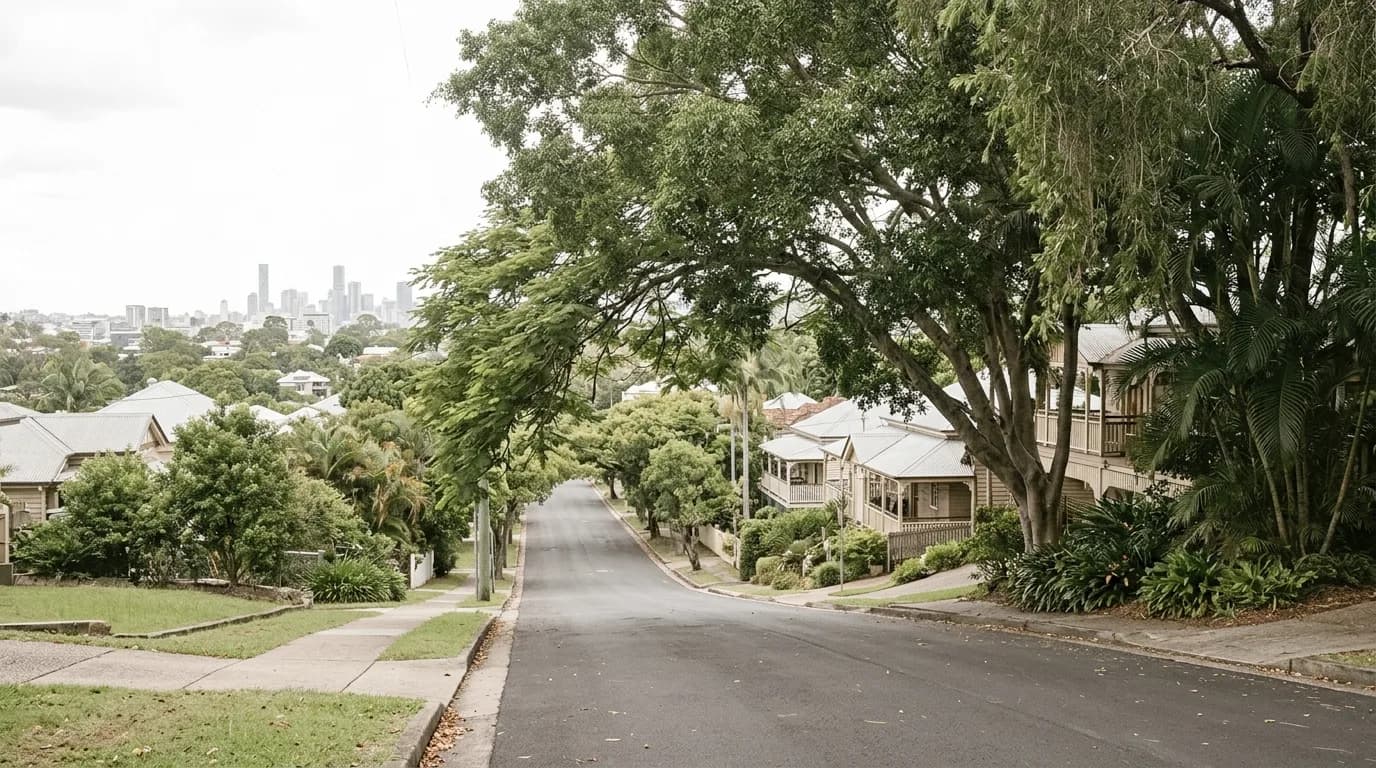
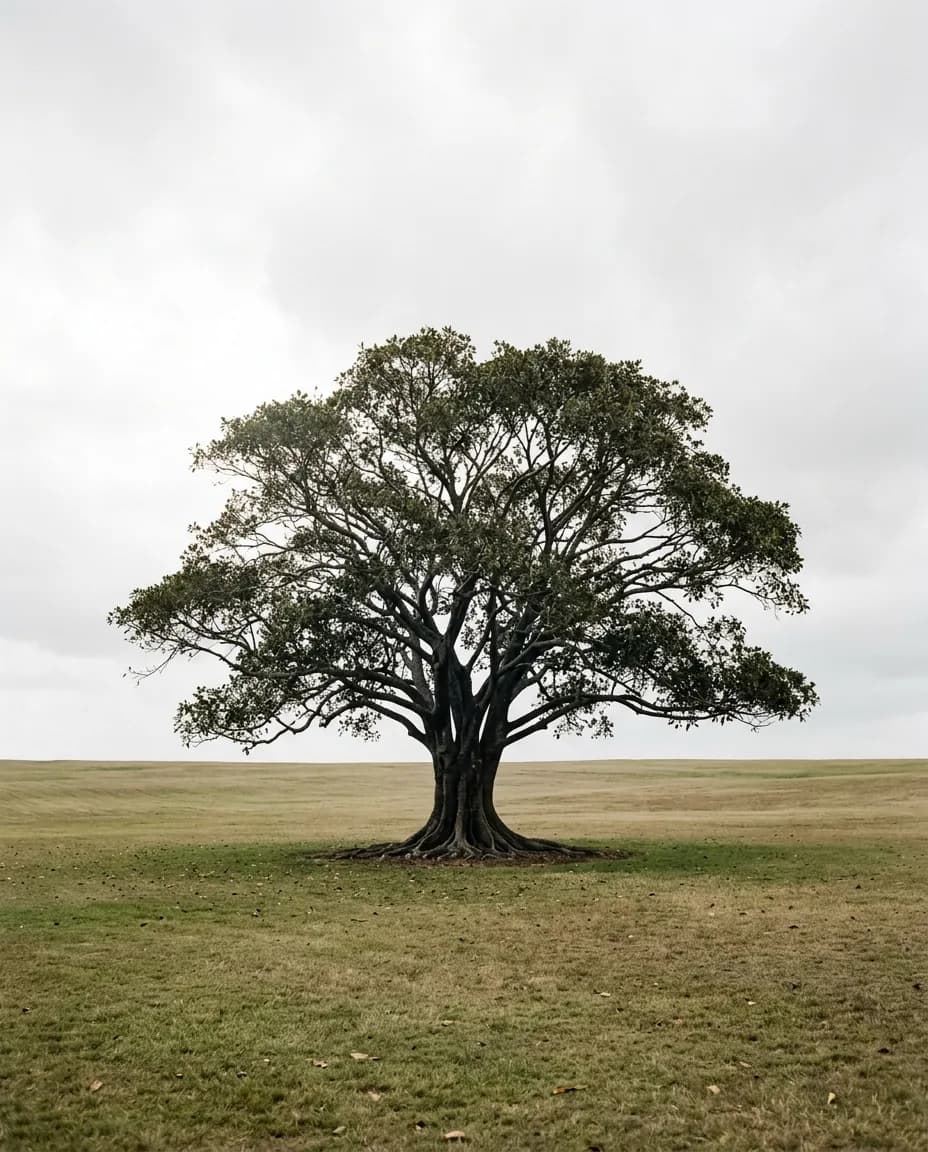
The inner suburbs are the hard ones. Hoop pines, Moreton Bay and weeping figs, poincianas and jacarandas planted a century ago now stand over subdivided blocks a fraction of the size the tree was given. Add the topography — Paddington, Bardon, Red Hill and Highgate Hill are built across gullies and ridges — and a great deal of construction here means retaining walls, cut and fill, and excavation within reach of a root system that has been there far longer than the house.
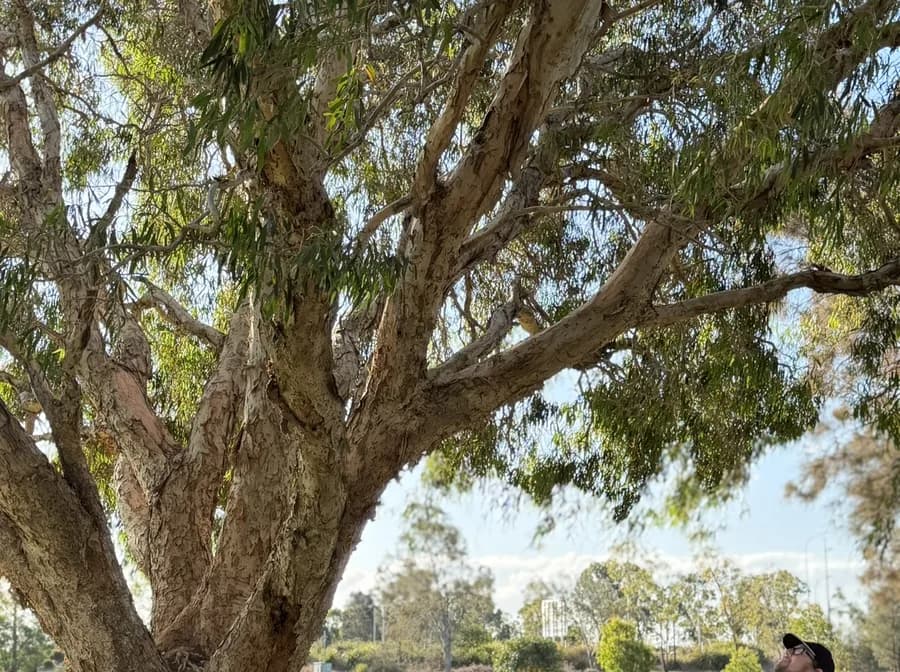
The eucalypt population is substantial too: forest red gum, tallowwood, spotted gum and pink bloodwood through the western and southern suburbs and along the bushland corridors at The Gap, Kenmore, Chapel Hill and Mount Coot-tha. Those carry hollows, deadwood and structural defects that the fig population does not, and they are assessed for entirely different things.
The practical effect on a Brisbane project is that the tree is usually the constraint rather than an afterthought, and the earlier that is measured the more design options survive. A tree protection zone worked out at concept stage is a line on a plan; the same zone discovered after the slab is set out is a redesign.
- Inner north and westPaddington, Bardon, Ashgrove, The Gap, Toowong, Indooroopilly, Kenmore.
- Inner east and southNew Farm, Hamilton, Camp Hill, Coorparoo, Holland Park, Carindale.
- River and baysideChelmer, Graceville, Yeronga, Wynnum, Manly.
How it runs
What happens after you send the address
The shape of an engagement in Brisbane is the same as anywhere else Adam works. What changes locally is what the trees are doing and which council determines it.
- 01
The enquiry, and what it settles
The address, what you are proposing and any condition you have already received. That is frequently enough to establish which report type applies — and occasionally enough to establish that you do not need one, which is a better outcome than a report you did not require.
- 02
The site visit
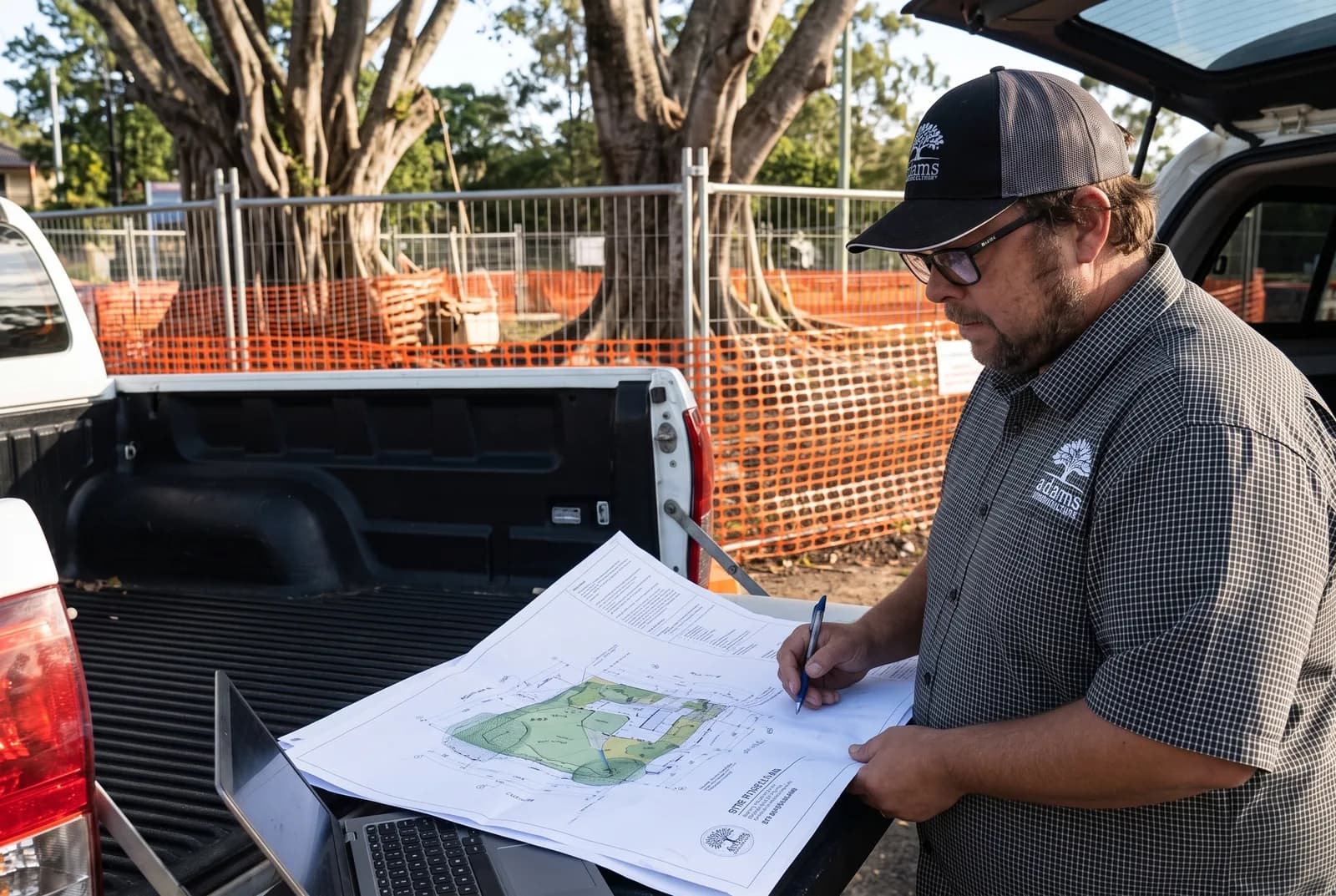
Adam attends the property in Brisbane and inspects the tree. Measurements are recorded rather than estimated — diameter at the correct height, canopy spread, the defects actually present — because everything downstream is calculated from those numbers.
- 03
The report
Prepared to the requirement that applies, using the document name that requirement uses. Where Brisbane City Council is involved, that means the terminology the council itself uses rather than a generic report retitled.
- 04
Follow-through
Where an application allows it, Adam can lodge on your behalf and handle council queries. Where an approval requires supervision during works or certification once they are finished, that is part of the same engagement rather than a new one.
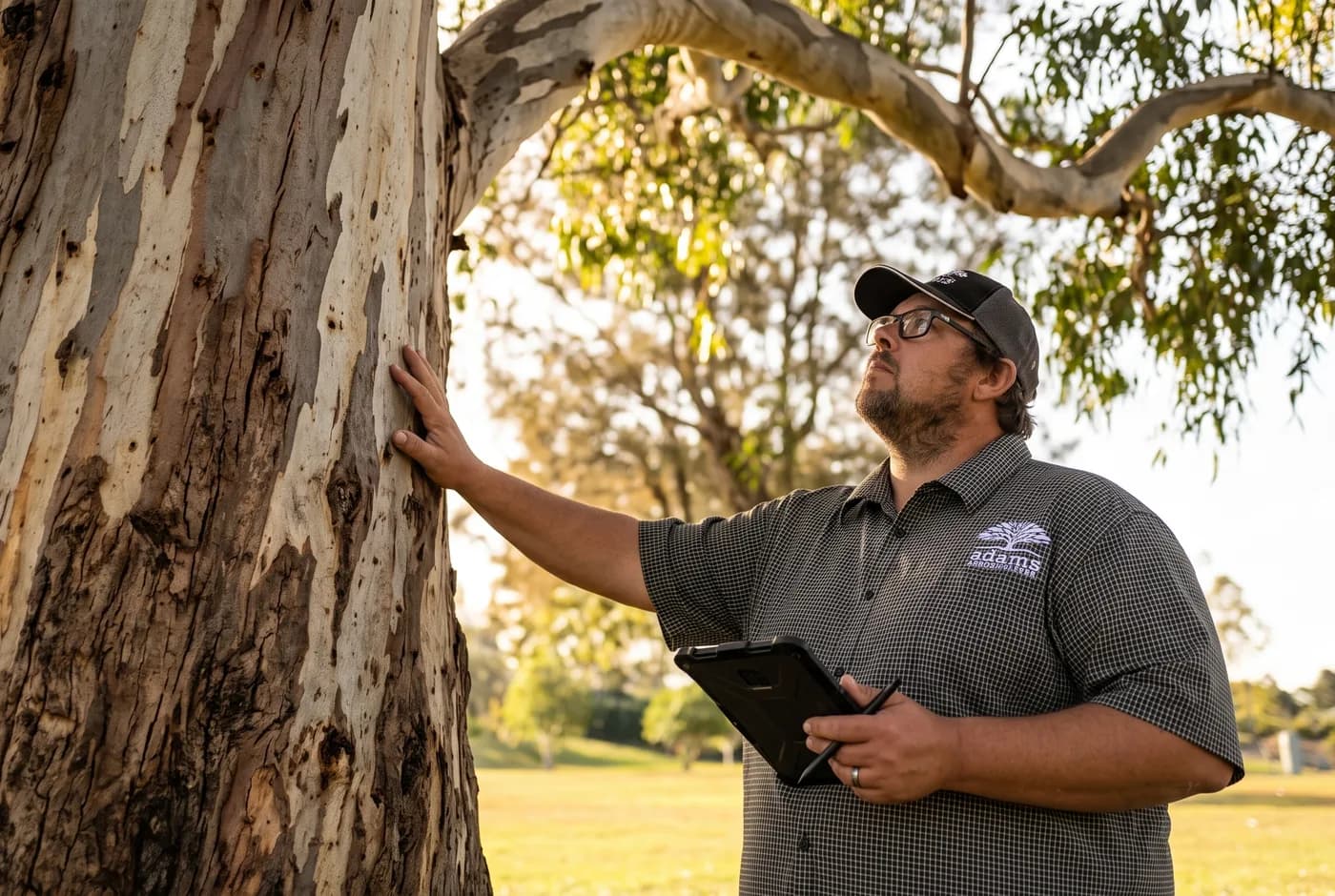
What Adam is engaged for
Four ways the work arrives
The same four services everywhere Adam works. Which one applies is set by what you are proposing, not by which suburb you are in.
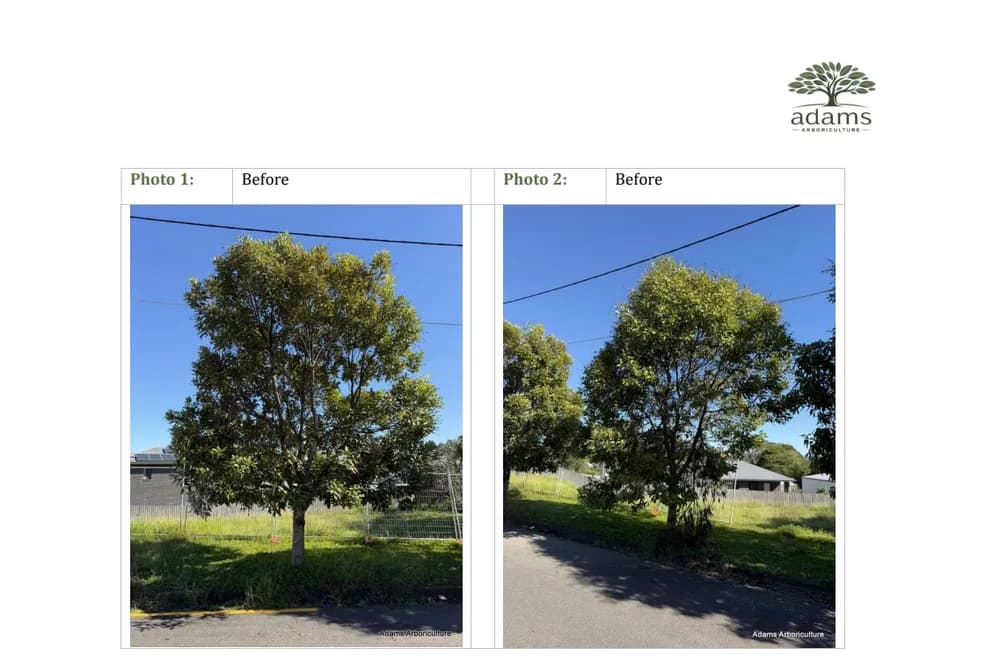
Arborist reports
The report your council, certifier or approval actually asked for, named correctly.
Read more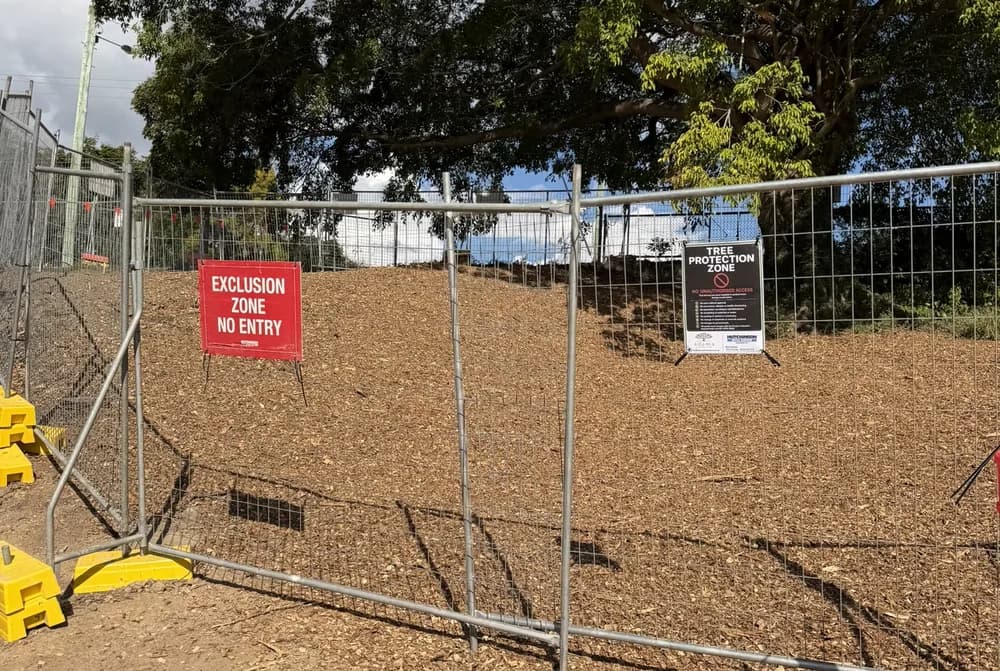
Development arboriculture
From pre-DA advice through protection and supervision to completion certification.
Read more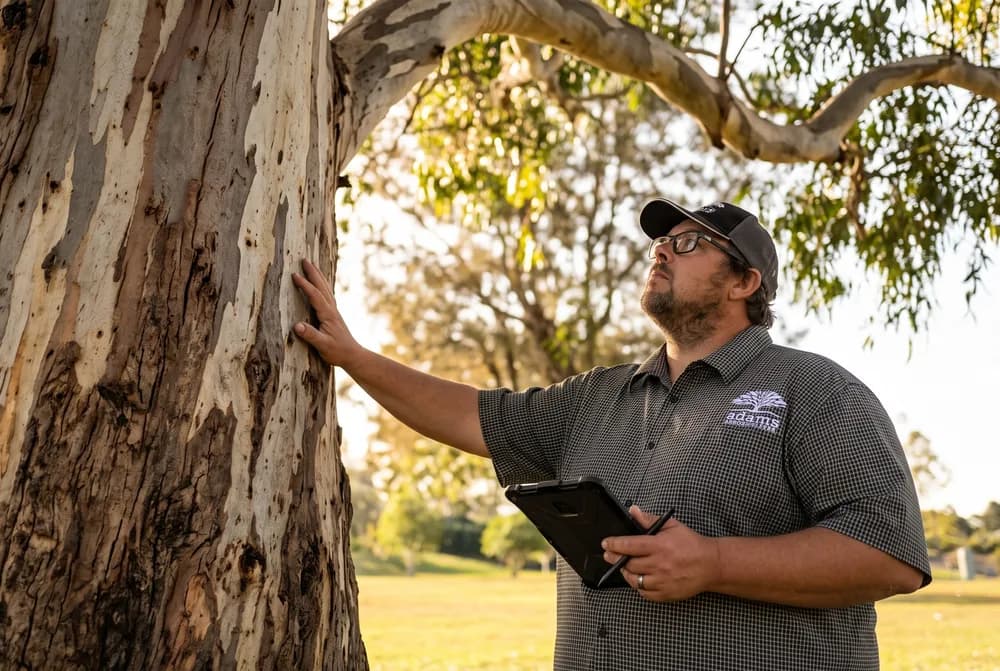
Tree assessment
Condition, structure and risk, recorded from measurement rather than impression.
Read more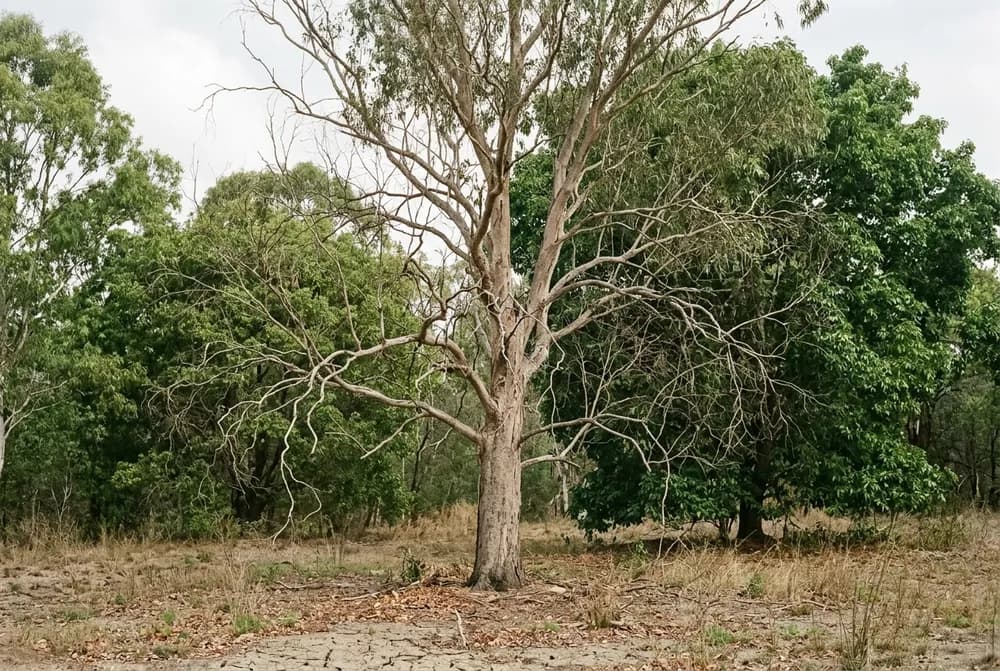
Plant healthcare
Why a tree is declining, and whether anything can be done about it.
Read more
The other six
Where else Adam works
Seven areas across South East Queensland, each falling under a different council and a different instrument. The area page covers the place; the council page covers the approval.
Common questions
Working in Brisbane
Usually more point, not less. A large tree on a constrained lot is exactly the situation where the difference between an accurate assessment and an assumption is a design that works and one that does not. What matters is where the roots actually are and what the tree can tolerate, and both are measurable rather than guessable.
That depends on whether the vegetation is protected, which is a check against the address rather than a judgement about the tree. The Brisbane council page covers what the council protects vegetation under and how the pathway works.
Yes — Brisbane sits inside the ordinary service area, which runs north to about Noosa, south to about Helensvale and west to about Ipswich. Work outside those bounds is considered for suitable projects rather than assumed.
That is a check against the address and Brisbane City Council mapping rather than a judgement about the tree, and it frequently does not need a site visit. It is worth settling first, because if the vegetation is not protected a good deal of the question falls away.
No, and that is deliberate. This is a consultancy — the assessment, the report and the supervision. Adam holds no stake in the physical work that follows, which is what allows the recommendation to be whatever the tree warrants rather than whatever generates a job.
Contact
Send Adam the address and he will take it from there
For many protected vegetation questions, the property address is enough to start checking. Call, or send the details below.