Health and structure are different questions
A tree can be in excellent health and structurally unsound, or structurally solid and dying. They are assessed differently and they lead to different conversations, so it is worth knowing which one you are actually asking about.
Health is about vigour and function — whether the tree is growing, whether the canopy is full, whether something is acting on it. Structure is about how it is holding itself up. This page is the first. Where the concern is a limb over a roof, that is a risk question.
What decline actually looks like
The signals are consistent even though the causes are not.
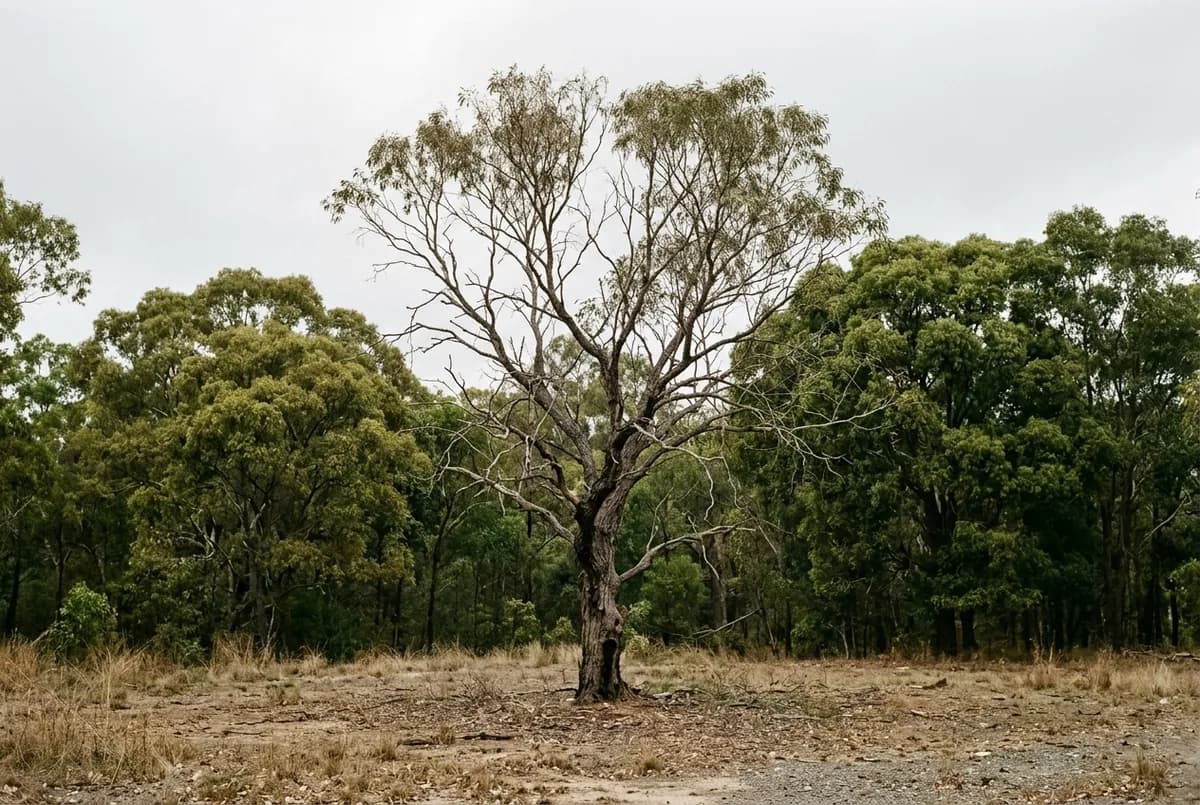
- Thinning canopy or diebackParticularly in the upper canopy, and particularly where neighbouring trees are unaffected.
- Leaf discolouration or early dropOut of season, or on part of the tree rather than all of it.
- Reduced growthShorter annual extension than the tree has managed previously.
- Fungal fruiting bodiesAt the base, on the trunk, or on major limbs.
- Epicormic growthA flush of shoots directly from the trunk or major limbs, which is often a stress response.
- Pest or insect presenceWhich may be the cause, or may be opportunistic on a tree already under stress.
What the assessment establishes
What is actually acting on the tree. A pest, an insect, a pathogen, a nutrient issue, or damage to the root zone from something that happened nearby — often years earlier and often not connected by anyone at the time.
That last one is common enough to be worth naming: compaction, cut roots, changed drainage or material stored over a root zone during building works produce decline that appears seasons later. By then the works are finished and the cause is invisible.
Where soil testing is needed it is contracted to an appropriate provider — Adam does not carry that out himself — and the results are read back into the assessment.
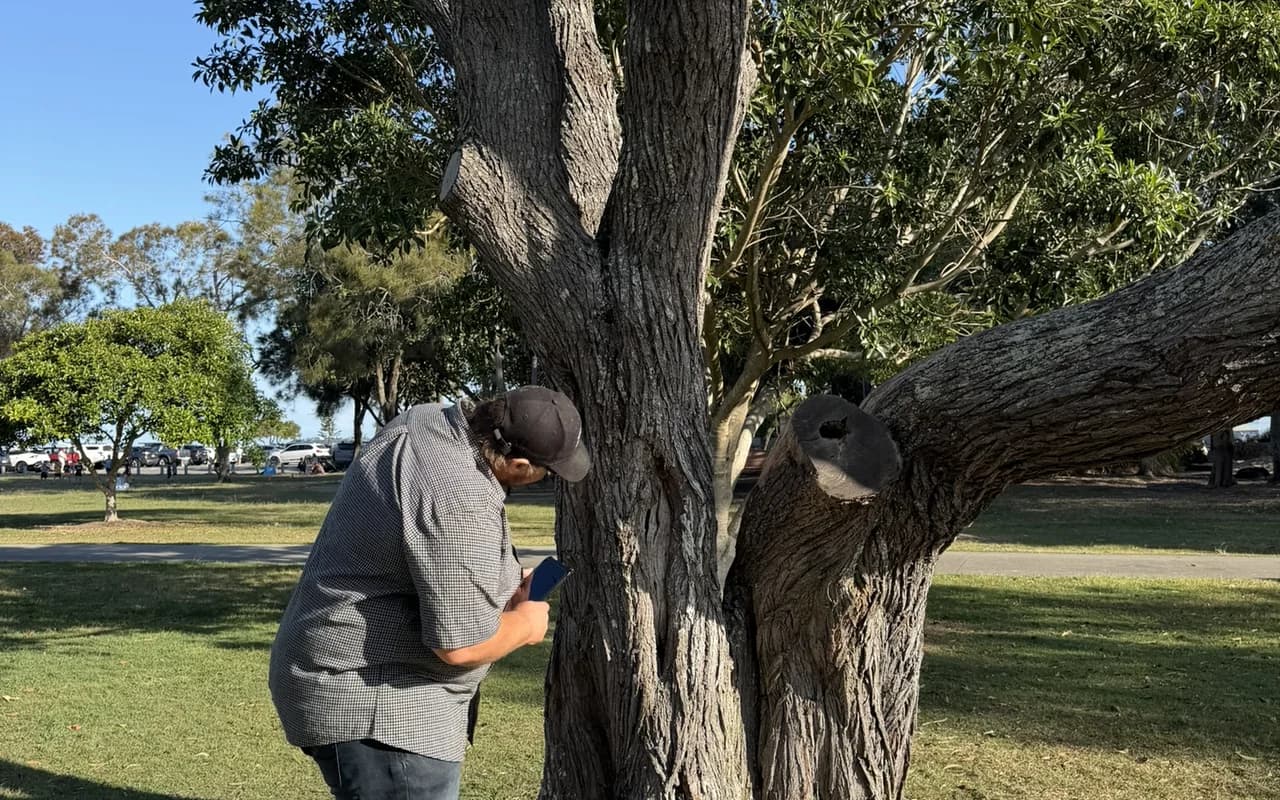
A treatment applied without a diagnosis is a guess with a cost attached. The order matters more here than almost anywhere else in arboriculture.
What follows a diagnosis
Sometimes a treatment, where one is appropriate to what was found. Adam carries out antifungal and insecticide treatments as part of the consulting role.
Sometimes it is changing what is happening around the tree rather than doing anything to the tree — relieving compaction, correcting drainage, mulching, or stopping whatever is causing the stress.
And sometimes it is monitoring while the tree recovers on its own, because trees respond over seasons and intervening immediately is not always the right call. Where ongoing attendance is warranted, that runs as a plant healthcare program rather than a single visit.