What the role actually is
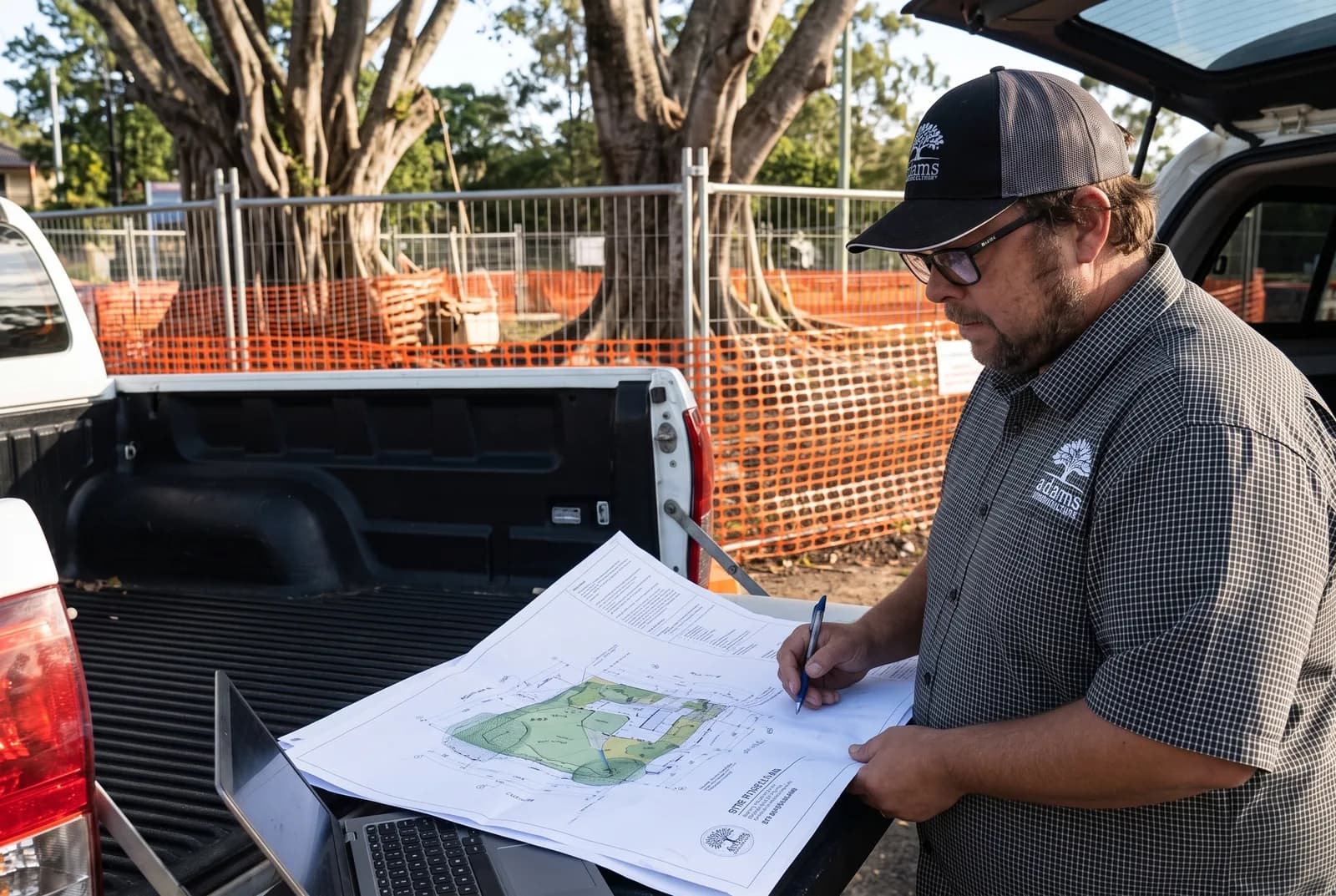
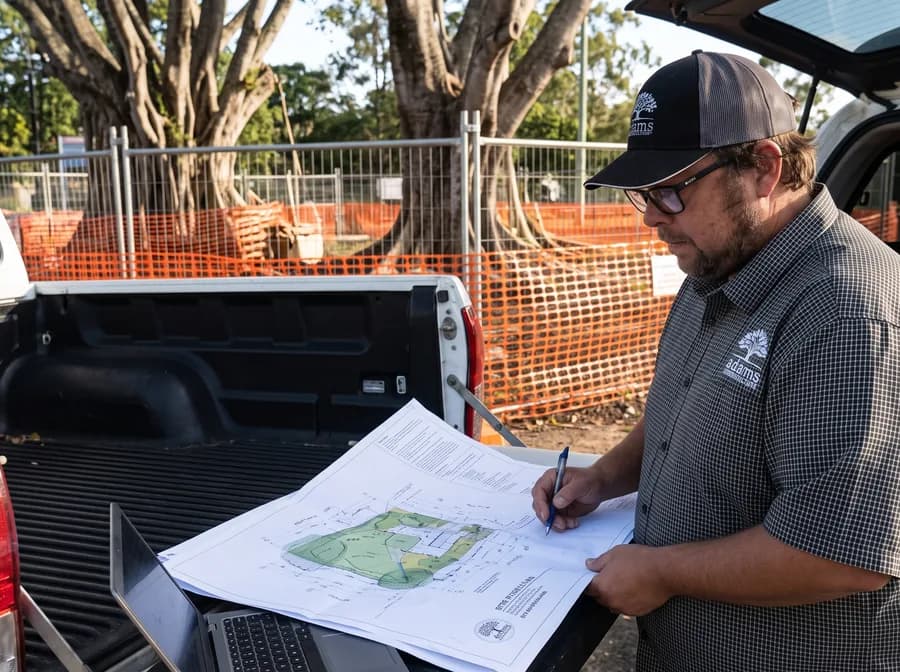
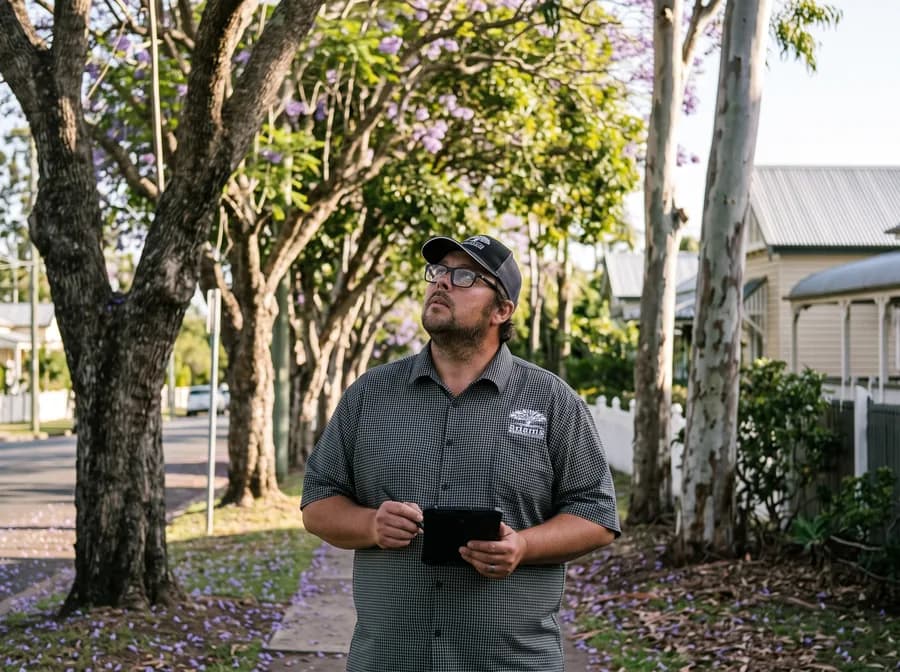
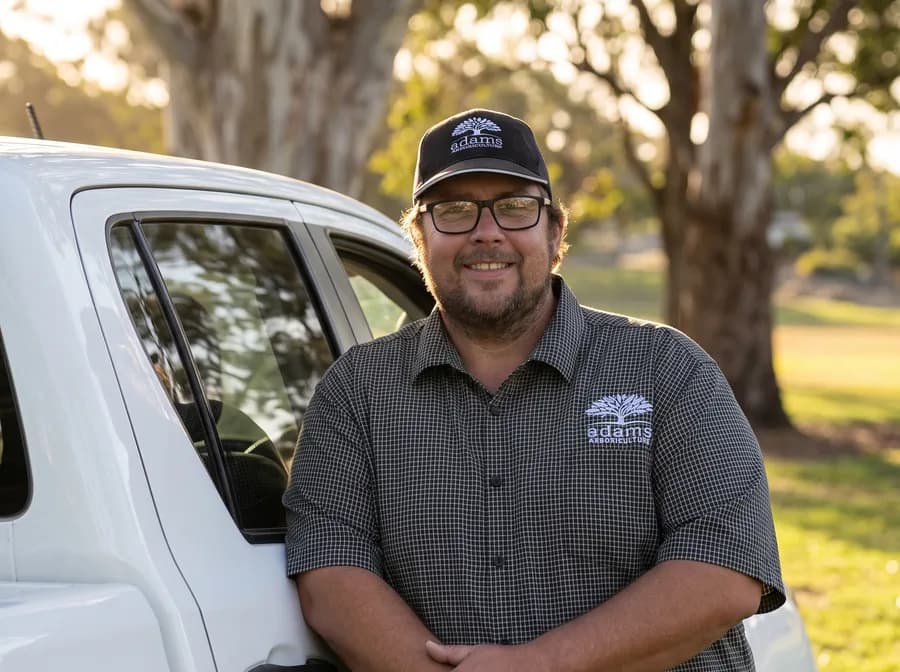
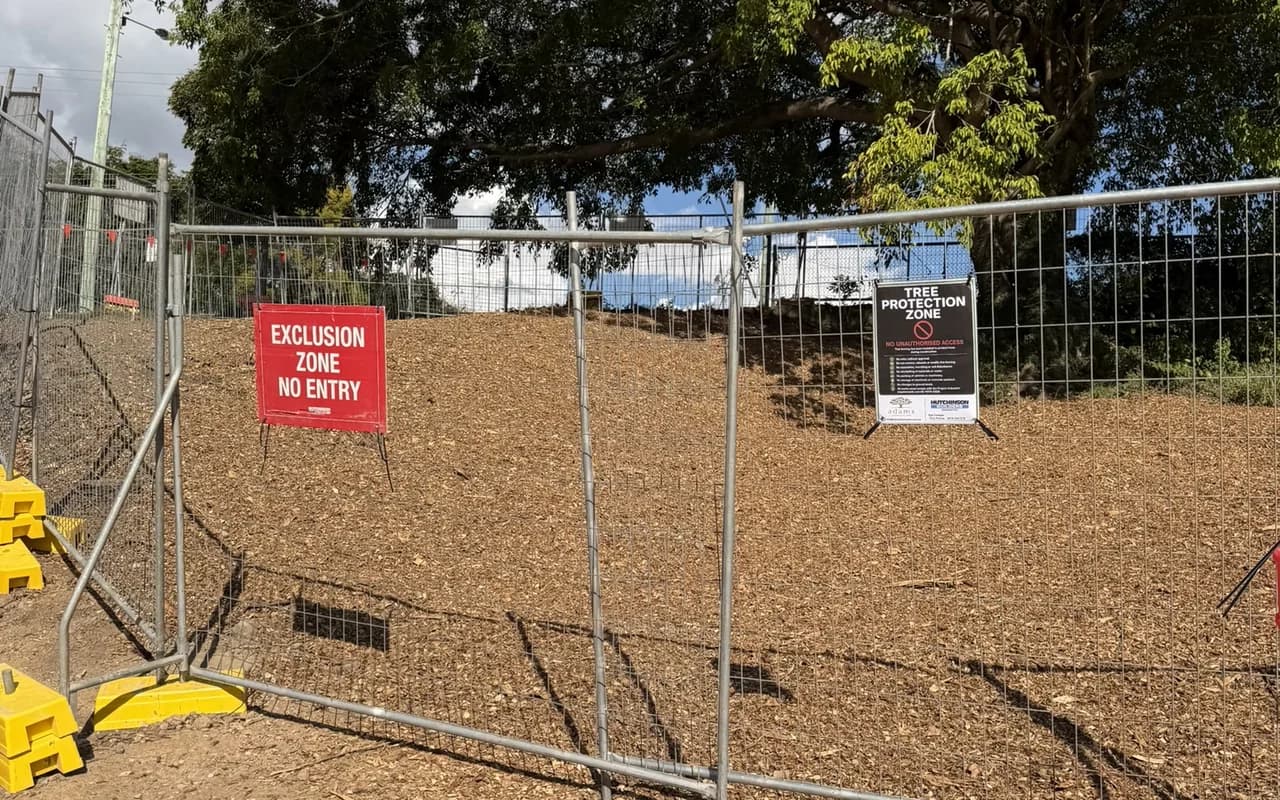
A project arborist is the person accountable for the retained trees while a site is being built. Not a report author who has moved on, and not a contractor who arrives when something has already gone wrong — the arborist who is across the project as it happens.
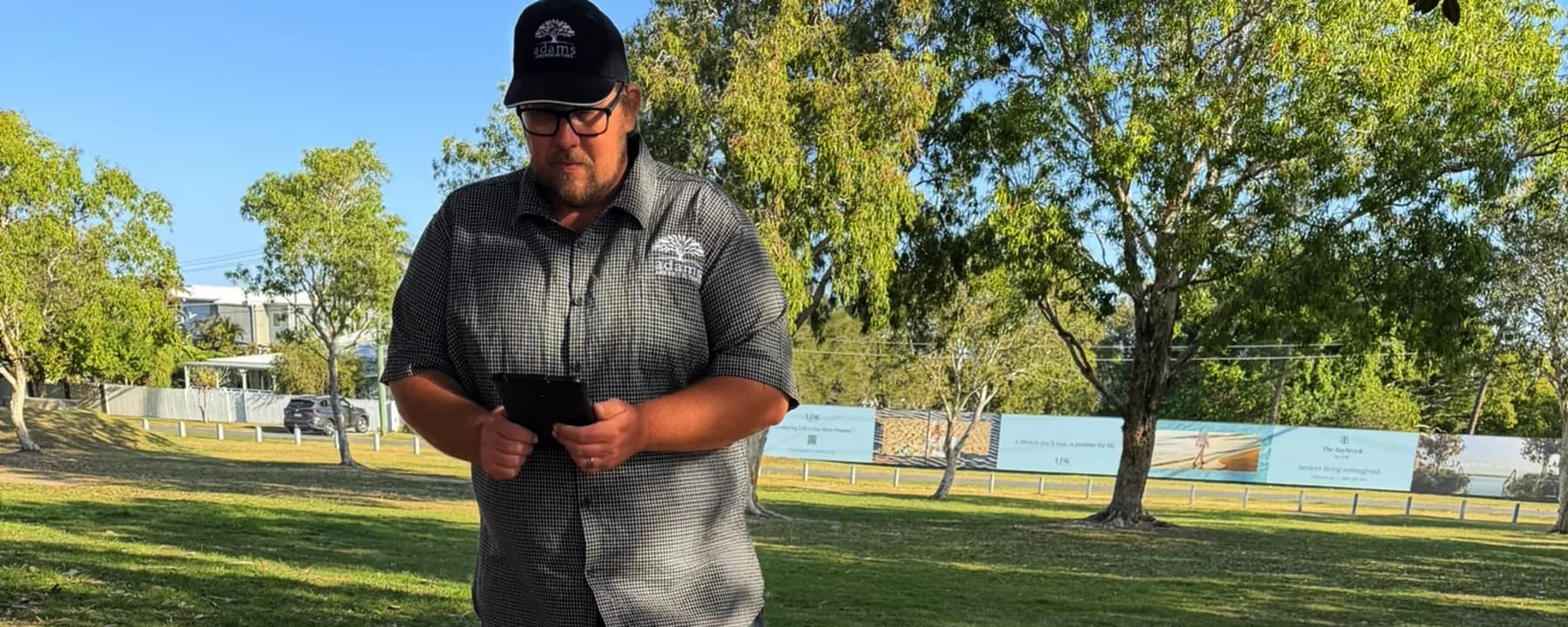
On most jobs the role begins where the assessment ends. The impact assessment established what the works do to the trees and what retention requires; the project arborist is who makes that real on site, adjusts it as conditions change, and signs it off at the end.
The practical advantage of the same arborist doing both is continuity. Someone who wrote the assessment knows why a particular tree got the zone it did, which is not obvious from the drawing alone.
What Adam does in the role
The scope varies with the project, and not every job needs all of it. What follows is the confirmed range.
- Reviewing works around retained treesBefore they happen, while the method can still change.
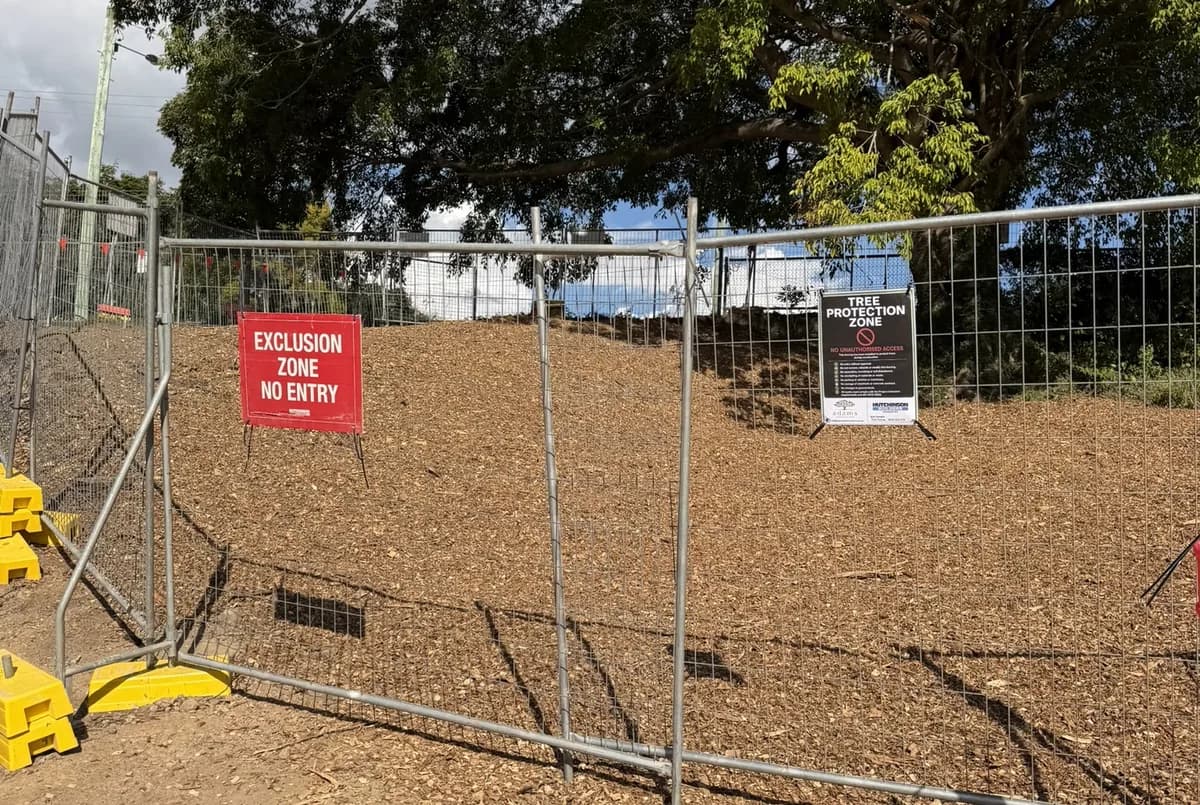
- Supervising inside tree protection areasAttendance while works occur within a protection zone.
- Root investigations and vac-ex supervisionEstablishing what is actually there before a decision is made about it.
- Root pruning where appropriateCarried out as part of the consulting role, to the assessment, not as a contracting service.
- Construction-stage and protection inspectionsAt nominated hold points, or where a condition requires them.
- Plant healthcare treatmentsWhere the role and the diagnosis call for them.
- Liaising with builders and other consultantsIncluding the practical conversation about what can actually be sequenced.
- Council coordinationQueries, requests for further information, and the compliance side of the condition.
- Completion inspection and certificationThe final report, where a permit or condition requires one.
What the role does not include
Adams Arboriculture is a consultancy. The physical work Adam carries out is the specialist work that belongs to the consulting role — root pruning, root investigations, supervision, and plant healthcare treatments where the diagnosis warrants them.
It does not extend to general tree contracting. No removals, no lopping, no general pruning, no stump grinding. If works require a tree contractor, one is engaged separately, and Adam has no financial interest in the size of that scope. That separation is the reason his assessment of what is necessary can be taken at face value.
Specialist physical work inside the consulting role is in scope. General tree contracting is not, and the boundary does not move to suit a project.
When to bring one on
Before the first works near a retained tree, not after. The common pattern is that a site proceeds without an arborist until something triggers one — a council inspection, a service that has to cross a zone, or visible damage — and by then the options are narrower and more expensive.
Where a condition names a project arborist, the requirement is explicit. Where it does not, the question is whether anything on the programme happens close enough to a retained tree to matter. On most sites with trees worth keeping, something does.