Start with the exact wording
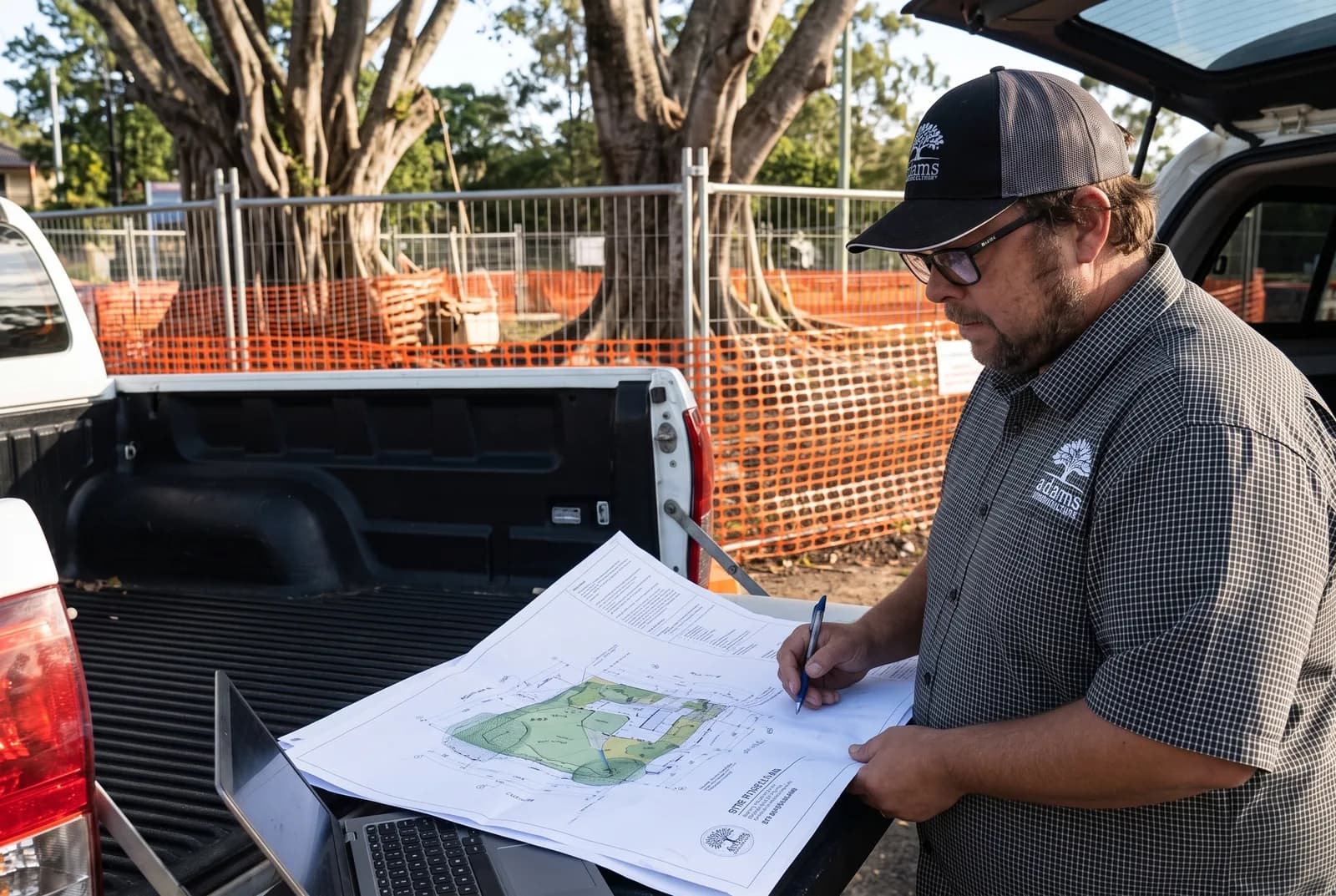
Before anything else, find the document that prompted the call — the council condition, the permit, the certifier's email, the request for further information — and read what it actually names.
It usually names a document type. Where it does, that is the answer, and no amount of reasoning about which report would be more useful changes it. Where a Standard, a council condition or an approval names a specific document, that name is what gets prepared.
Where it does not name one, or where the wording is ambiguous, send it through. Working out what was meant is a five-minute conversation and it is regularly the difference between commissioning one report and commissioning two.
Send the wording as you received it rather than a paraphrase. The surrounding sentences usually carry the intent even when the document name is vague.
The documents, and what each is for
These are the names in circulation across South East Queensland councils, planners and approvals. They are not interchangeable, and several of them look similar enough to be mistaken for each other.

- Preliminary Arboricultural Report (PAR)Design and planning stage, while the layout can still change. An AS 4970:2025 term.
- Arboricultural Impact Assessment (AIA)The impact of a specific proposed development on the trees. What most approvals name.
- Tree Assessment ReportCondition, health, structure and risk on a tree or a set of trees, for a decision.
- Tree Management Plan (TMP)How identified trees are to be managed over time.
- Tree Protection Plan (TPP) and Specifications (TPS)How retained trees are protected through construction works.
- Vegetation Management Plan (VMP)How an area of vegetation is managed. Usually a council requirement.
- Completion Report / Final Arborist Report / Arborist Certification ReportAfter approved works, where a condition requires them to be inspected and certified.
- Declaration of ComplianceFor approved works to protected vegetation. Brisbane City Council terminology.
- AQF Level 5 arborist reportNot a document type — a statement about who may write it.
Working it out from your situation
If the wording genuinely does not name anything, the situation usually does. Four questions get most people to the right page.
- Is a development proposed?If the design can still change, that points to a Preliminary Arboricultural Report. If it is fixed and its impact needs assessing, an Arboricultural Impact Assessment.
- Is the vegetation protected by a council?Then the report supports a permit application, and what the council requires drives the document.
- Is removal being proposed?Evidence about the tree is usually what is required, rather than a development-stage document.
- Is this about the tree itself?Condition, health, structure or risk, with no application involved, points to a Tree Assessment Report.
Why the wrong document is expensive
A report written for one purpose does not automatically satisfy another. The assessment behind it may be sound and the arborist may be qualified, but if the approval named an Arboricultural Impact Assessment and what was lodged is a Preliminary Arboricultural Report, the condition has not been met.
What follows is a request for further information, a delay measured in weeks rather than days, and a second commission. That sequence is common enough that avoiding it is most of the value in getting this question right at the start.
Adams Arboriculture will not substitute one report type for another because it is quicker to produce. Where an approval names a document, that is the document.