When you probably do need one
Four situations account for nearly all genuine requirements.
- A council condition or permit names oneThe most common. If a document has been named in writing, that is your answer.
- You are proposing works to protected vegetationWhere the tree is protected, an application generally needs supporting arboricultural material.
- A development is proposed near treesCouncils commonly require an assessment of what the proposal does to them.
- Someone else has to read the findingsAn insurer, a certifier, a body corporate, a neighbour in dispute, or a future owner.
If a requirement has been given to you in writing, send the exact wording rather than a paraphrase. The document it names determines everything downstream.
When you probably do not
Just as usefully, here is where a report is often unnecessary.
The vegetation is not protected and no application is required. The question can be answered by an inspection and a conversation, with nobody else needing it on paper. The works proposed do not trigger an approval in the first place. Or someone has already provided a document that satisfies the requirement, and it just needs checking rather than replacing.
None of that means an assessment is a waste of time — knowing what is going on with a tree is worth something regardless. It means the written report specifically may not be needed, and that is a real saving.
The check that settles it
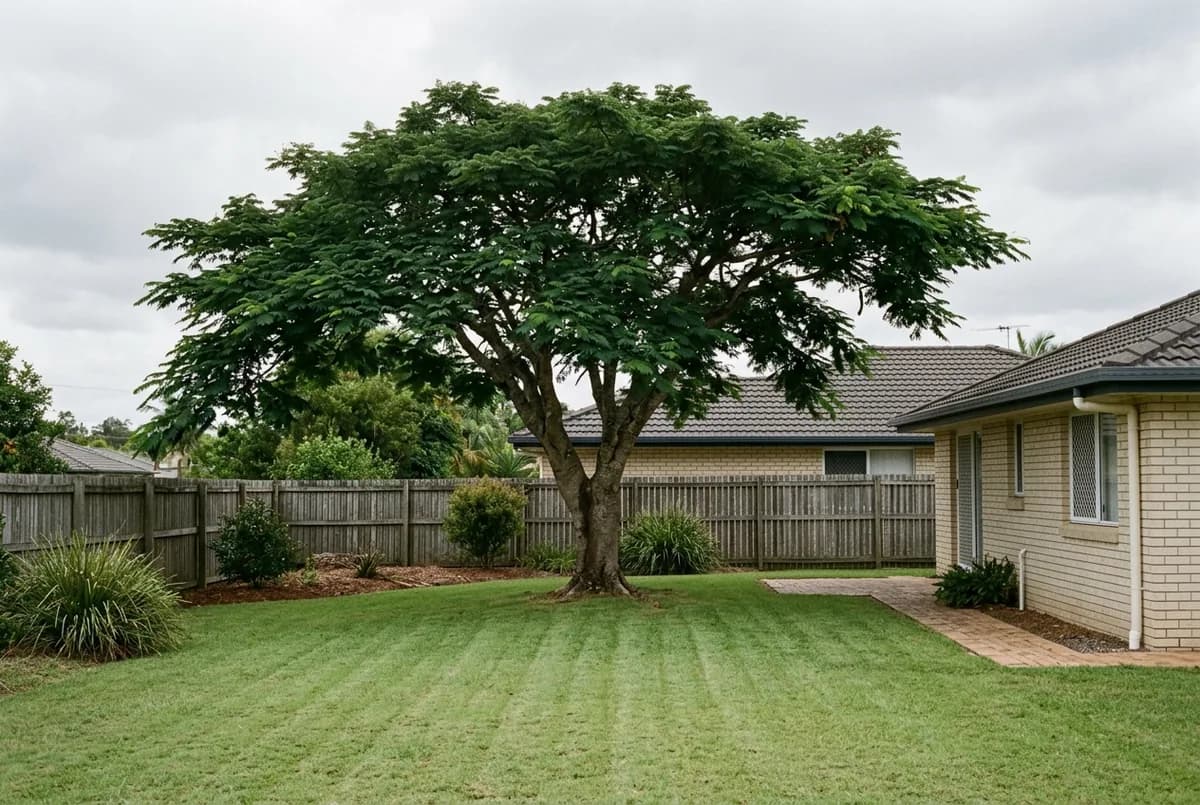
Whether vegetation is protected is a function of council instruments rather than the tree. A modest tree on a verge can be protected while a large one in a back yard is not, and the same tree on either side of a boundary can fall under different rules.
That check runs against the property address and council mapping, and it frequently does not require anyone to attend the site. Brisbane protects vegetation under the Natural Assets Local Law, Redland under Local Law No. 6 and Tree Protection Areas, Ipswich through Vegetation Protection Orders, Logan through operational works — and each names its approval differently.
Send the address and what you are proposing. If the answer is that nothing is required, that is what you will be told.
A report and an assessment are not the same thing
Worth separating, because they get conflated constantly. An assessment is someone qualified looking at the tree and working out what is true. A report is that written down for somebody else to read.
Plenty of situations warrant the first and not the second. Many consultations are answered on site, in conversation, with the tree in front of both people — and then nothing is written, because nothing needs to be.
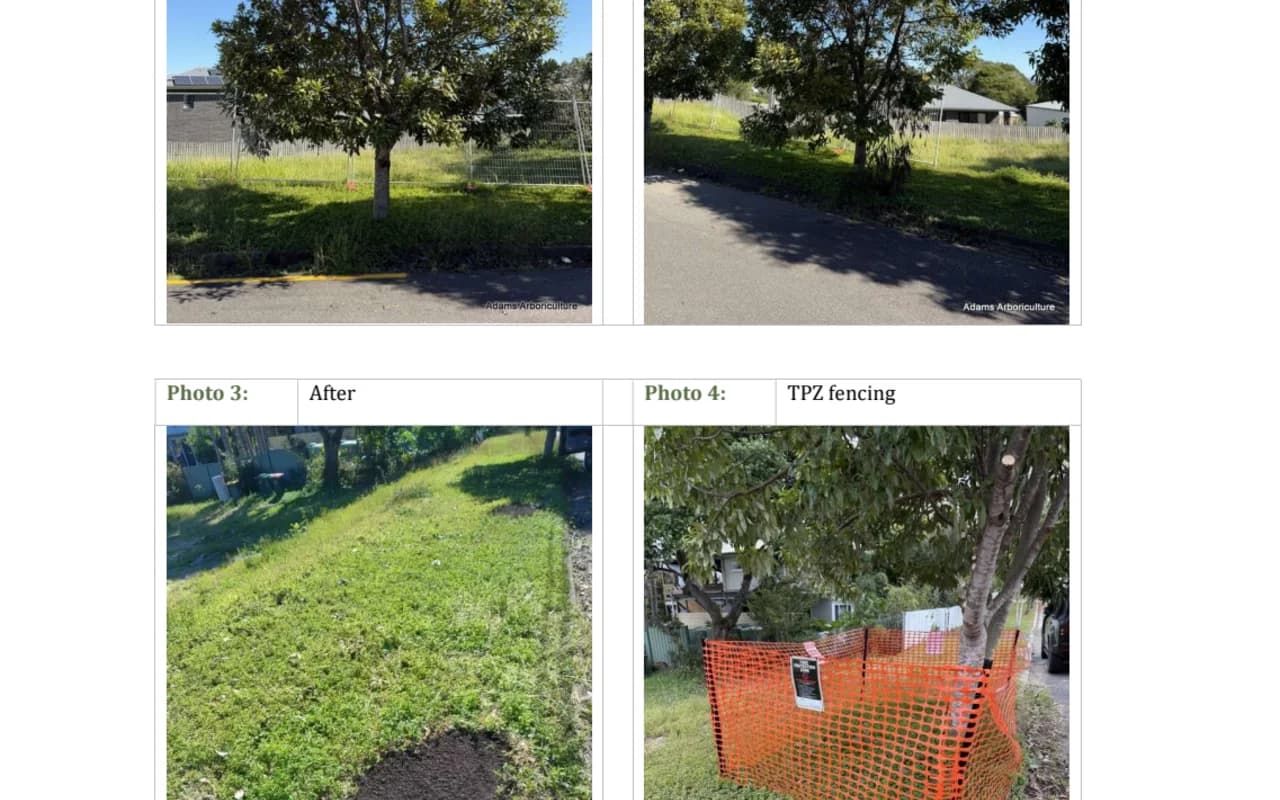
Beware of being sold the document when what you needed was the answer. If a report is not warranted, Adam will say so rather than writing one.
The expensive version of getting this wrong
Not commissioning an unnecessary report — that is merely wasteful. The expensive version is commissioning the wrong one.
A report written for one purpose does not automatically satisfy another. If a condition named an Arboricultural Impact Assessment and what was lodged is a Preliminary Arboricultural Report, the condition has not been met, and what follows is a request for further information, a delay, and a second commission.
That sequence is common. Reading what was actually asked for is a five-minute job and it is the single highest-value thing to do before spending anything.