Neither word is a category
There is no register of dangerous trees and no threshold a tree crosses to become one. "Hazardous" and "dangerous" are descriptions people reach for, and they carry an authority the words themselves do not have.
That matters because those words are frequently the whole basis for a decision. A contractor says a tree is dangerous, a neighbour repeats it, and by the time anyone qualified looks at it the conclusion has hardened. Sometimes the observation underneath is sound. Sometimes it is a lean the tree has had for forty years.
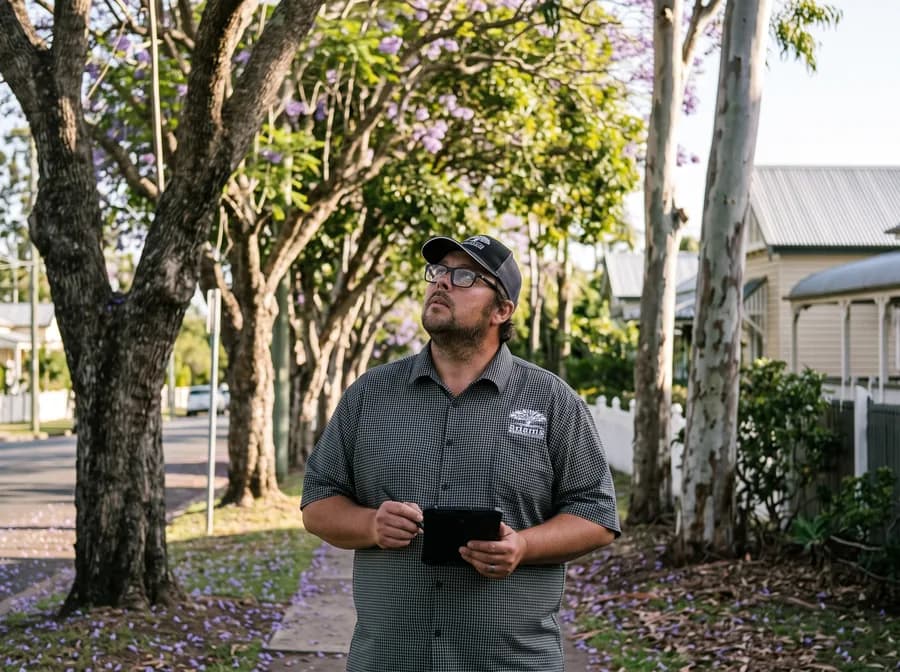
What replaces the adjective is a description of what was actually observed, and — where the concern is genuinely risk — a quantified assessment of it.
A tree being large, old, leaning, or close to a house is not by itself a finding. Each of those can be entirely normal.
What does indicate a problem
There are real signs, and they are worth knowing because they are the ones that justify getting someone out rather than waiting.
- A recent changeA new lean, a crack that was not there, soil lifting at the base, or a sudden limb failure.
- Fungal fruiting bodies at the base or on the trunkSome indicate decay in structural wood. Identifying which is the assessment.
- Included bark in a major unionWhere two stems meet with bark trapped between them rather than fused wood.
- Significant dieback in the upper canopyParticularly where neighbouring trees are unaffected.
- Ground disturbance over the root zoneExcavation, compaction, fill or level change near the tree, recently or historically.
Who actually decides
Whoever is responsible for the tree, informed by a qualified assessment. Not the arborist, and not the contractor who quoted.
An assessment establishes what is there and quantifies the risk. The owner or manager then weighs that against their own duty of care and circumstances. Two owners can reasonably decide differently on the same findings — what neither can reasonably do afterwards is say they were unaware.
Where a council is involved, there is a further layer: a tree may be protected regardless of its condition, and works may need approval whatever an arborist concludes.
If someone has told you a tree is dangerous
It may well be a sound observation, and it is worth having confirmed by someone who is not quoting on the work. That is not a slight on tree contractors — many are highly competent — it is that a recommendation to remove, made by the party who would carry out the removal, has a structure worth accounting for.
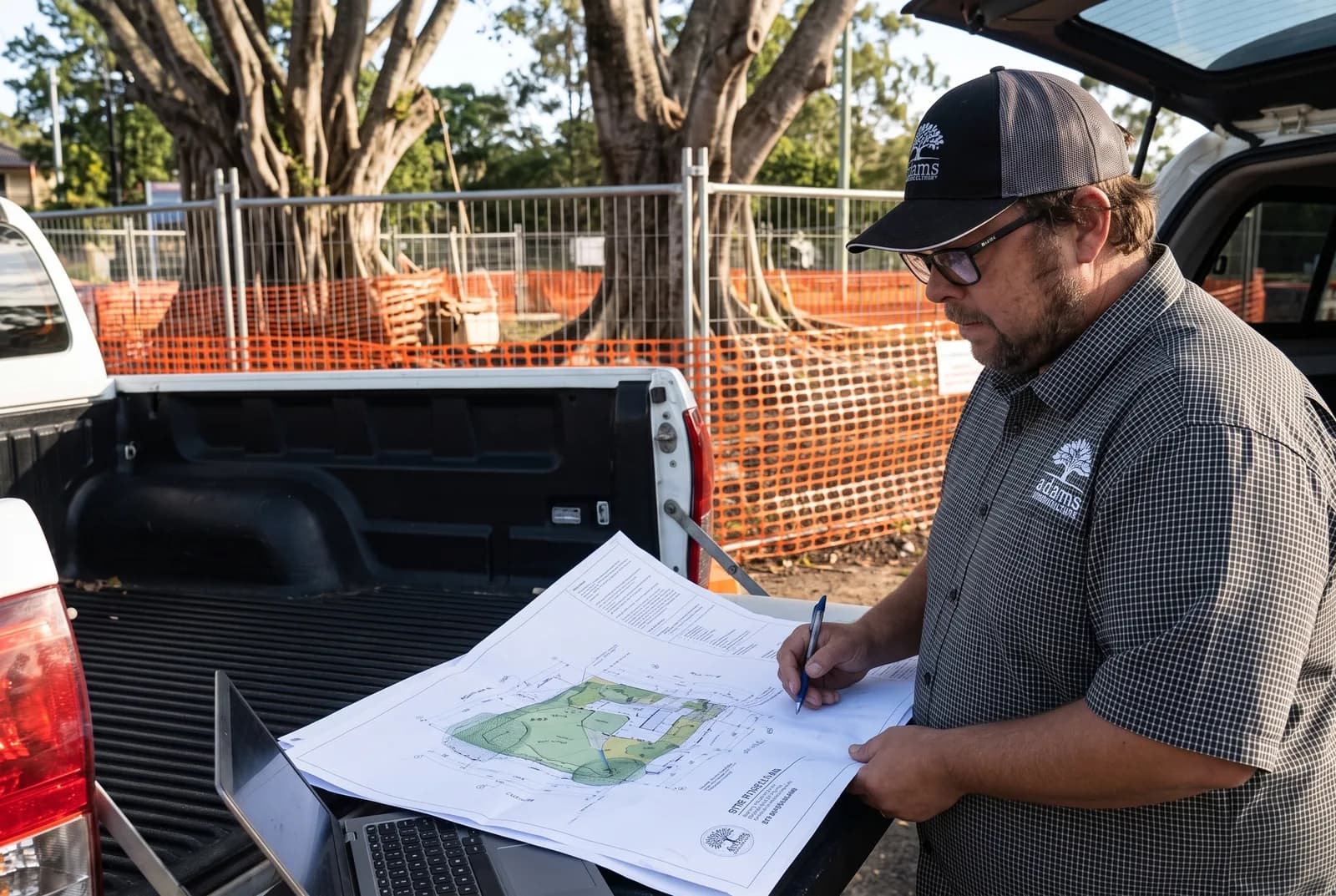
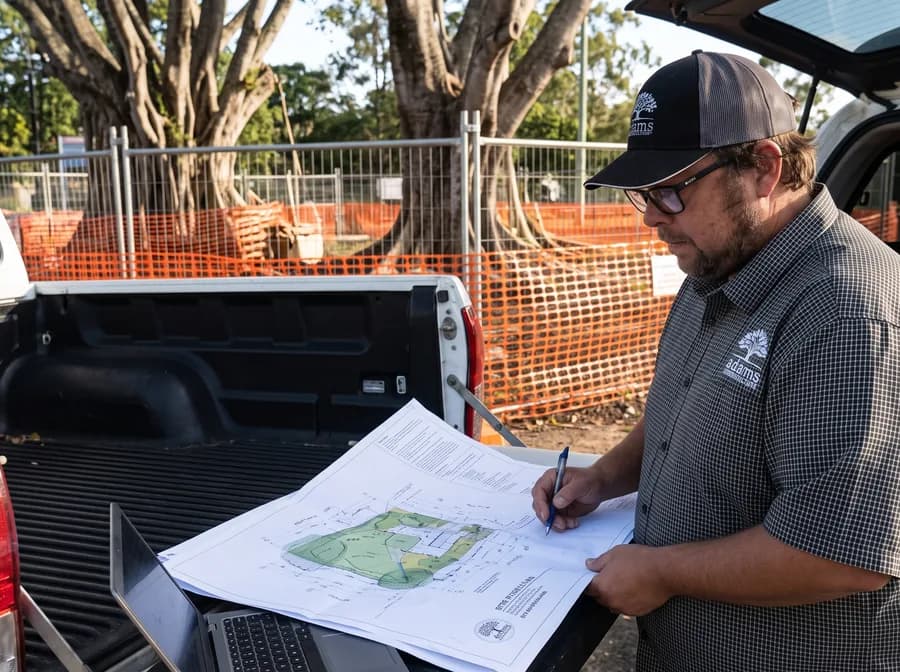
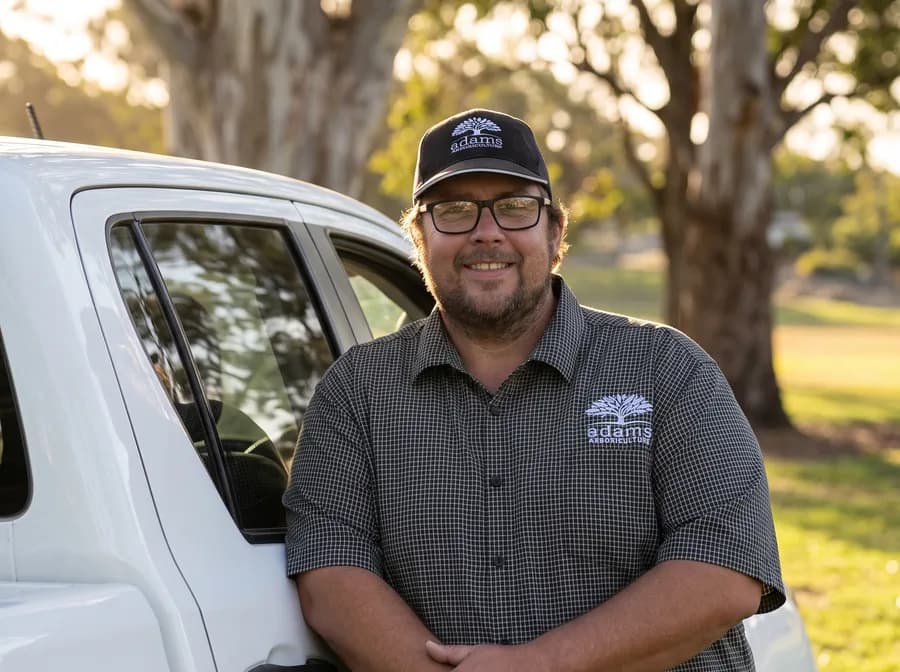
Adam does not carry out removals, lopping or general tree work. Retention and removal are the same outcome to him financially, and where removal genuinely is the right course, the assessment says so and says why.
If a tree presents an immediate danger to people or property, that is a matter for emergency services or a qualified contractor now — not for a report next week.