Presence is not the same as cause
Every mature tree hosts insects, and the overwhelming majority of them are doing no meaningful harm. A tree with visible insect activity and a thinning canopy has two observations, not a diagnosis.
The order is frequently the reverse of what it looks like. Many insects are opportunists that colonise trees already under stress — borers in particular tend to succeed on trees whose defences are compromised by drought, root damage or compaction. Treating the borer while ignoring the root zone treats the symptom and loses the tree slowly.
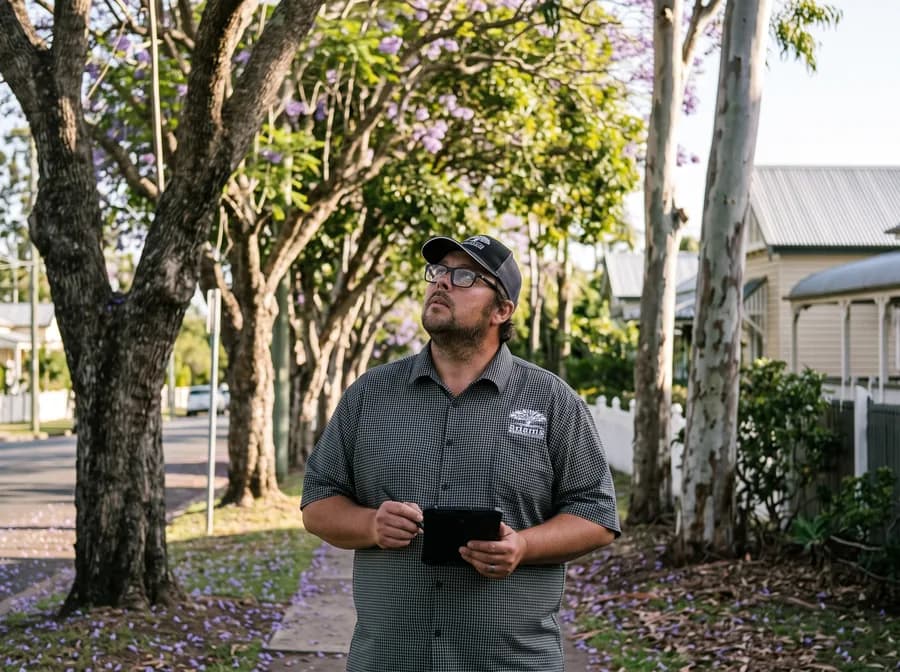
That is why the assessment starts with what is acting on the tree overall rather than with the most visible thing on it.
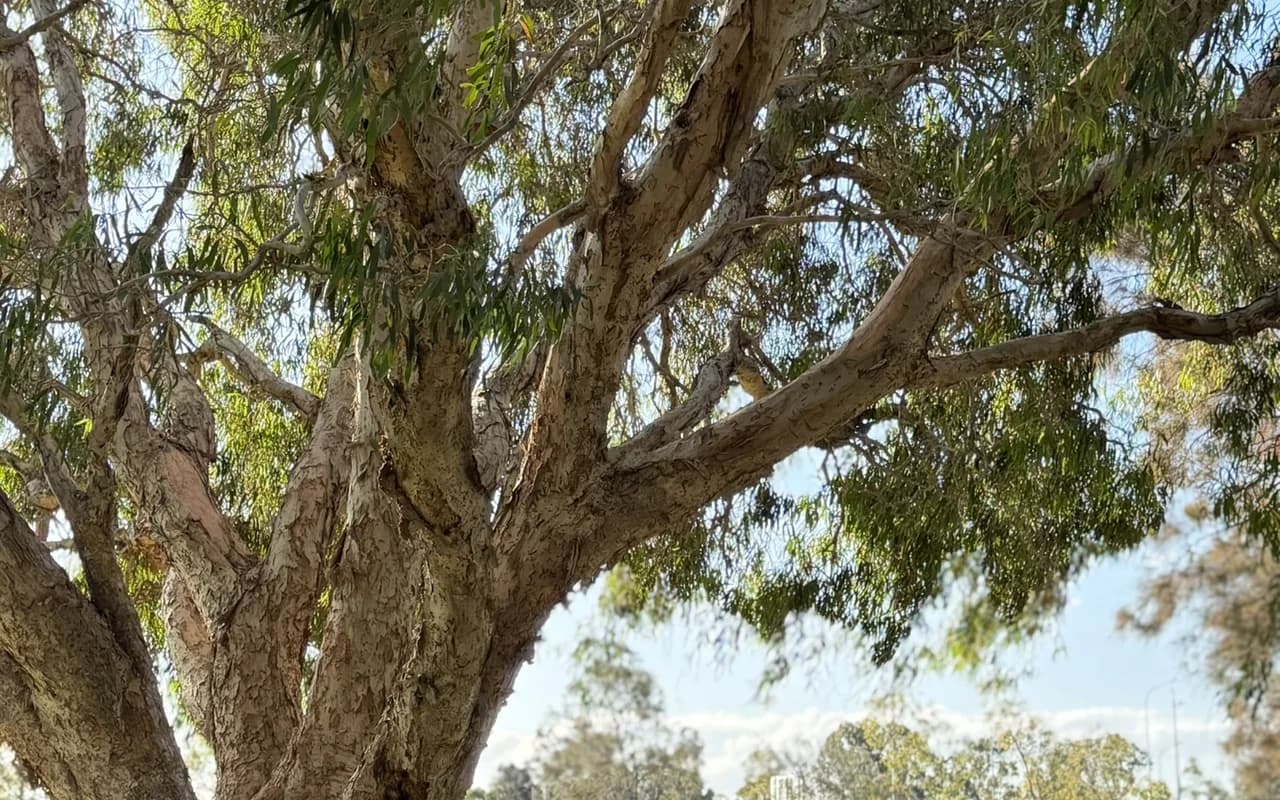
A healthy tree tolerates a surprising amount of insect activity. Defoliation that looks alarming in spring is frequently recovered by the following season.
What the assessment covers
What is present, whether it explains the symptoms, and whether anything needs doing.
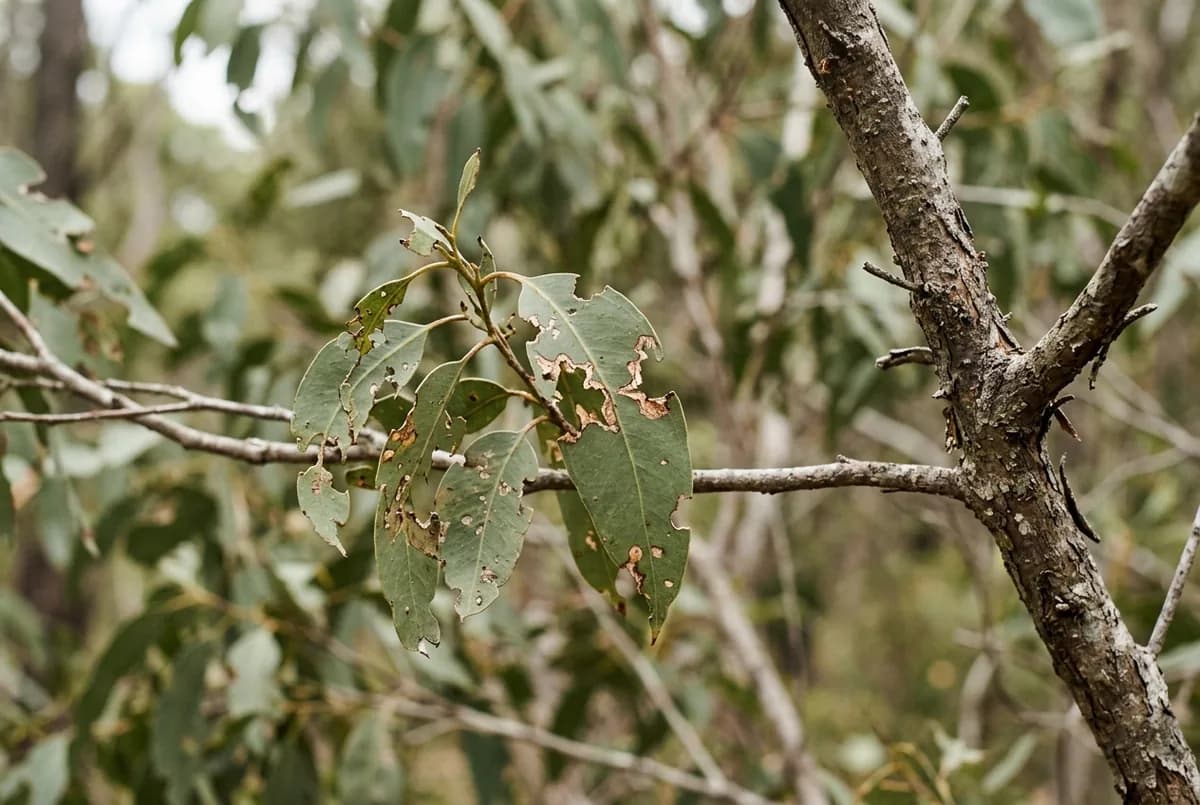
- What is actually thereIdentified rather than assumed from the damage pattern.
- The damage and its extentChewing, mining, galls, honeydew and sooty mould, or borer entry and exit holes.
- Whether it is primary or opportunisticThe question that decides the whole response.
- The tree's overall conditionVigour, root zone, ground conditions and recent history around the tree.
- Whether intervention is warrantedOften it is not, and saying so is part of the job.
When intervention is warranted
When the insect is a primary pest doing real damage, when the tree is already compromised and cannot absorb the additional load, or when the damage is progressive rather than seasonal.
Where treatment is appropriate to the diagnosis, Adam carries out insecticide treatment as part of the consulting role. Where the underlying issue is the tree's condition rather than the insect, the useful intervention is usually addressing that instead — relieving compaction, correcting drainage, mulching, or removing whatever is stressing the tree.
And frequently the right answer is monitoring. Insect populations move in cycles, natural predators arrive, and a tree that looks badly affected in one season can be unremarkable the next.
This is an assessment, not a spray booking
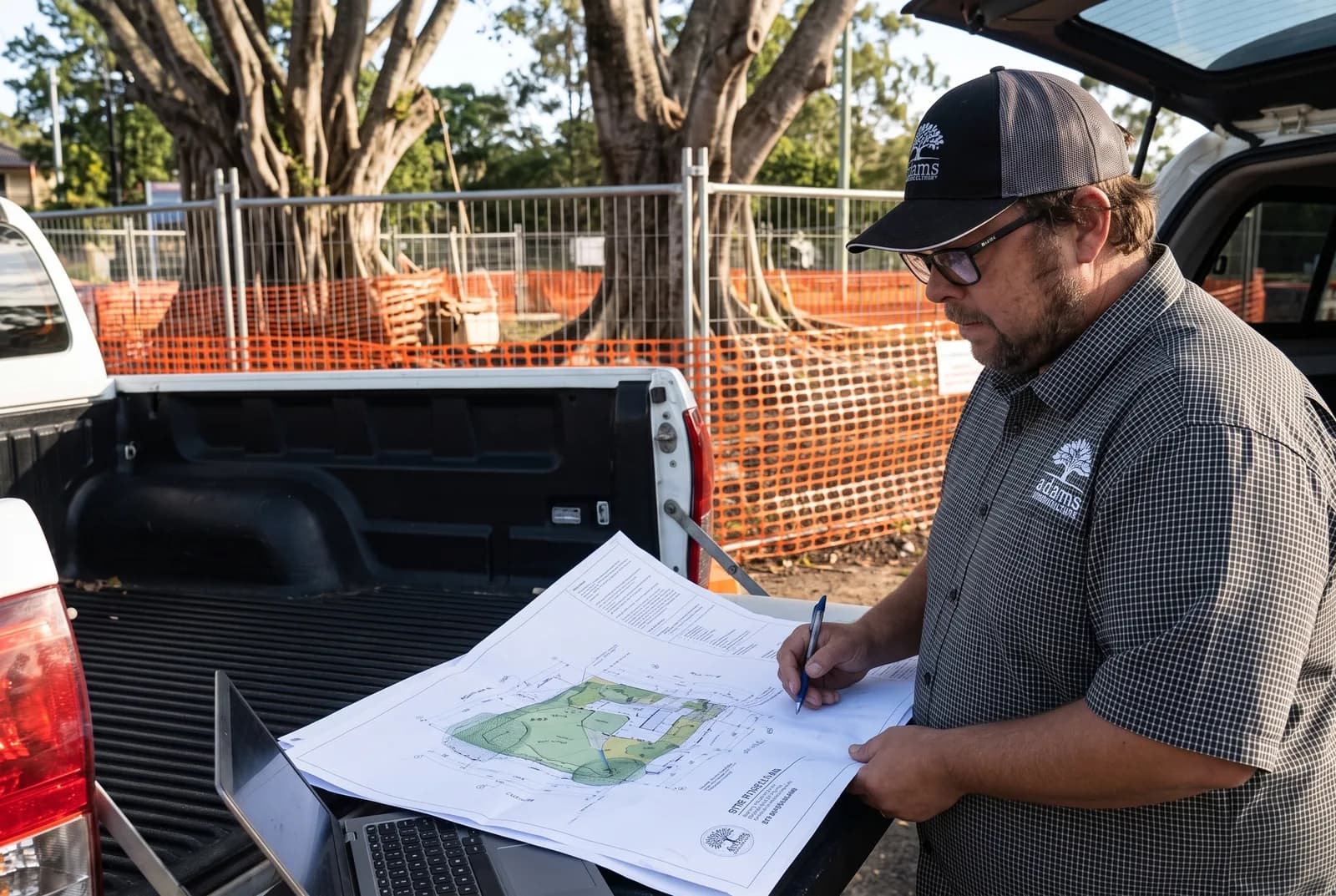
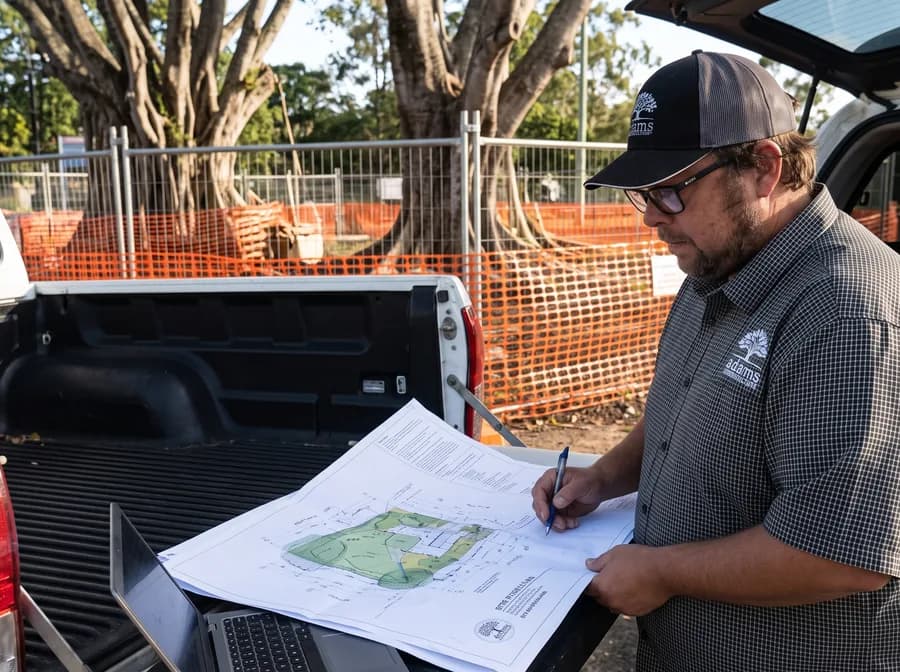
Adams Arboriculture is a consultancy. Treatment happens where a diagnosis supports it, as part of the consulting role — not as a scheduled service applied on request.
That distinction is worth the sentence, because routine preventative spraying of trees is both expensive and frequently unnecessary, and because Adam has no commercial interest in recommending an application. If nothing needs doing, the assessment says nothing needs doing.
No product names, application rates or protocols are published here. What is appropriate depends on the diagnosis, the species and the setting.