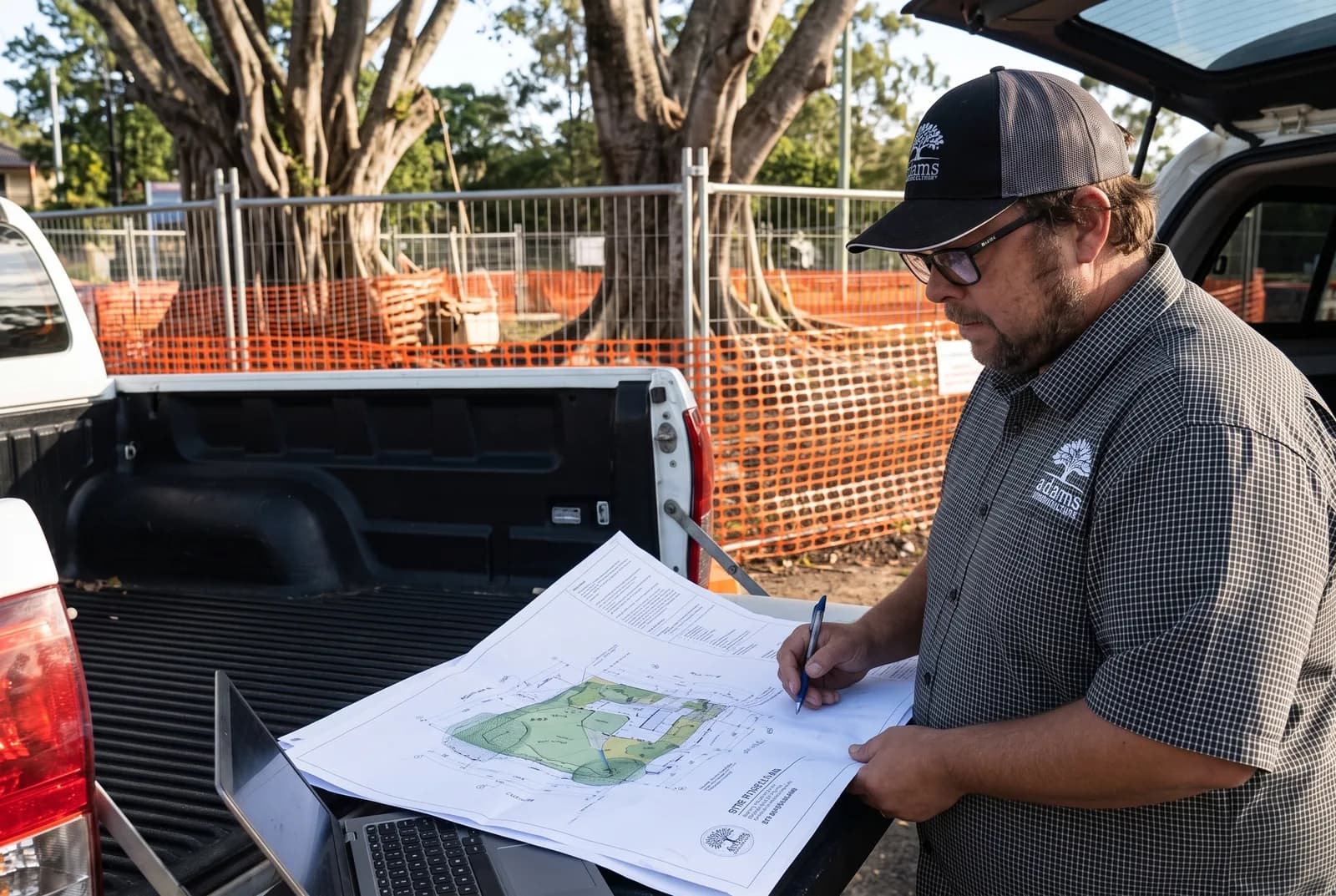
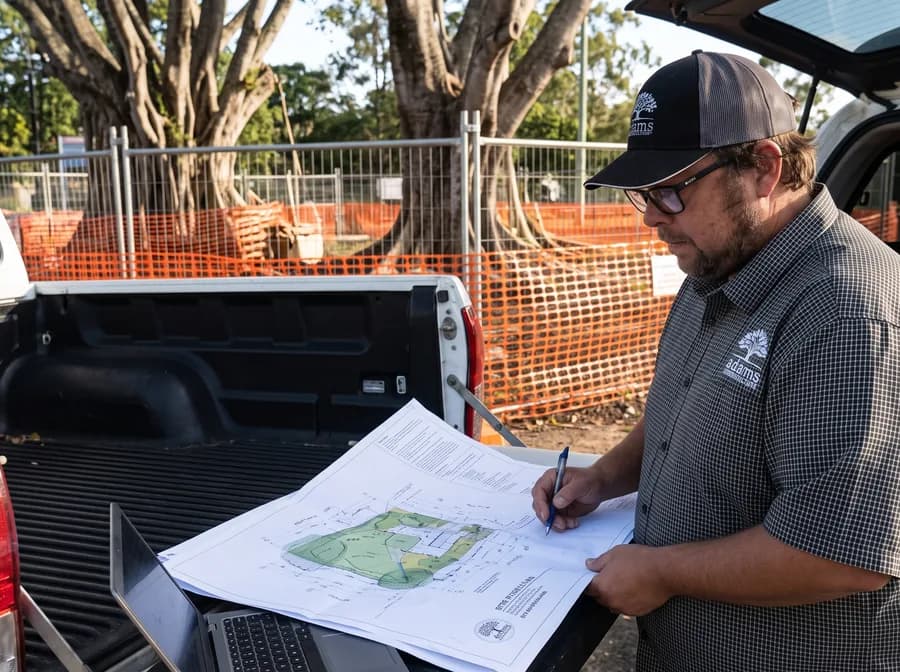
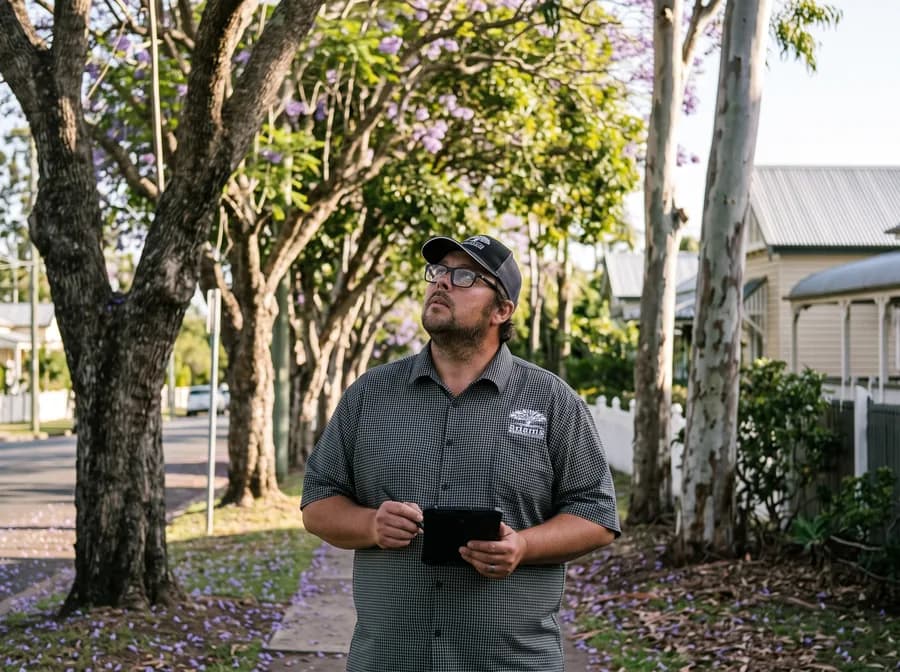
What a Tree Management Plan covers
A Tree Management Plan sets out how identified trees are to be managed over a period, rather than how they are protected during a specific set of works. It looks past practical completion.
That typically means what each tree needs and when: inspection intervals, the works that are anticipated and the ones that are not permitted, how the ground around the tree is to be treated, and who is responsible for what. On a site where retained trees are a condition of the approval, it is the document that makes their continued survival somebody's explicit job.
Trees respond over seasons rather than weeks. A plan that acknowledges that is more useful than one that assumes the tree is finished business the day the fencing comes down.
It is not a TPP, and it is not a VMP
Three documents with similar names do genuinely different things, and approvals name them specifically.
- Tree Management Plan (TMP)How identified trees are managed over time. This page.
- Tree Protection Plan (TPP)How trees are protected through a specific set of construction works.
- Vegetation Management Plan (VMP)How an area of vegetation is managed, usually as a council requirement.
Where a condition names one of these, that is the one that has to be provided. A Tree Protection Plan submitted where a Tree Management Plan was required does not satisfy the condition.
When one is required
Most often as a condition on an approval where trees are being retained, particularly where those trees are protected, significant, or on land the council has an ongoing interest in. Sometimes as a requirement attached to a body of works rather than a development — a school, a park, a larger property with a number of mature trees.
It also comes up voluntarily. An owner who has just spent a construction programme protecting a mature tree usually wants to know what it needs next, and a plan is a cheaper way of finding out than a series of unconnected call-outs.
What goes into it
The trees it covers, identified and assessed on site. Their current condition and structure. What each one requires, over what interval, and what would constitute a change worth acting on.
Where trees have come through construction, the plan takes account of that: a tree that has had roots cut or ground compacted around it has different needs from one that has stood undisturbed, and post-construction decline typically appears well after the works finish. Where treatment or monitoring is warranted, that runs as a plant healthcare program rather than a single visit.