Plant healthcare · Brisbane and South East Queensland
Tree health is a program, not a single visit.
Pests, fungal problems, nutrient issues and post-construction decline are rarely fixed by one treatment. Adam assesses what is actually acting on the tree, then monitors it over repeat visits.
0415 105 592Call 0415 105 592or send the details across
Describe what you are seeing
Dieback, discolouration, fungal growth or a tree that has never recovered from works nearby — the detail helps.
What it is
Diagnosis first, then a program
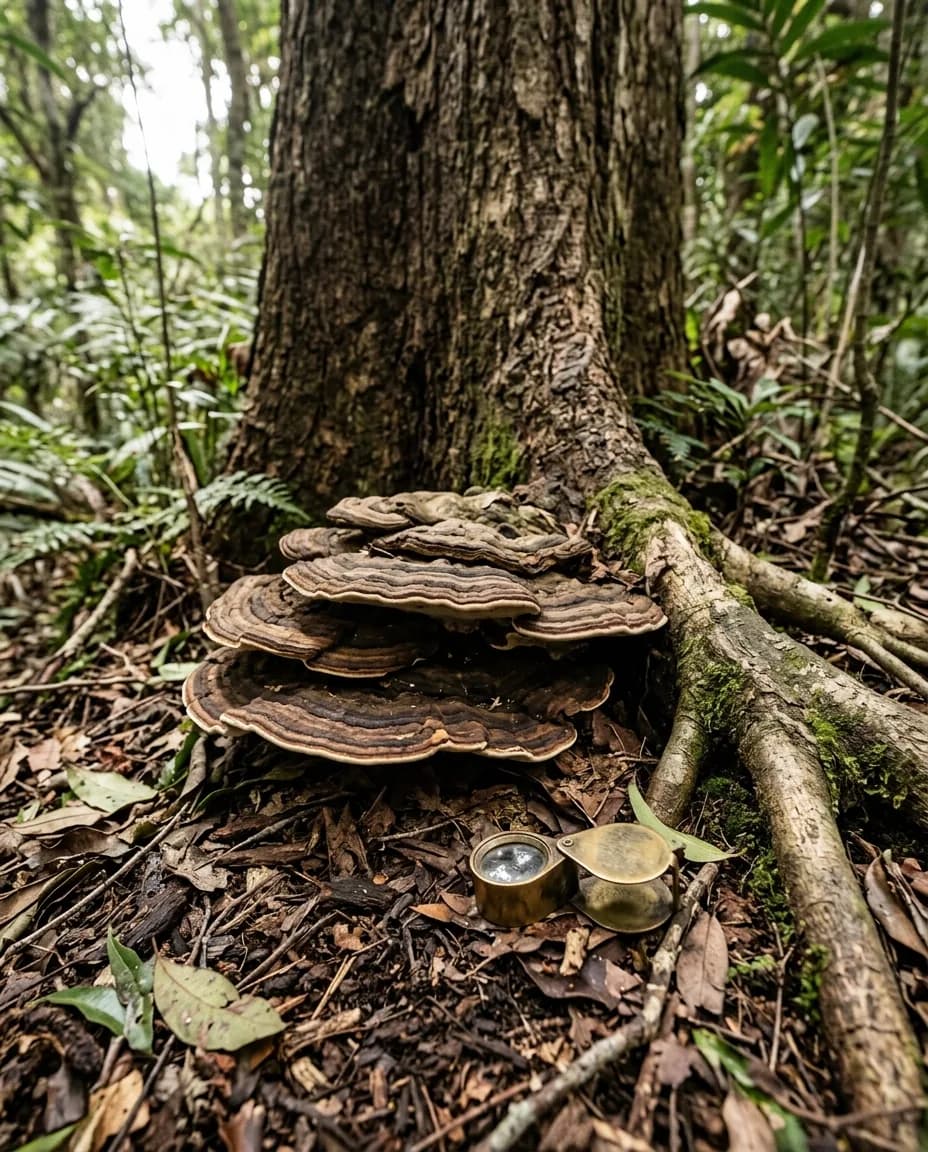
A tree in decline is a symptom. Thinning canopy, dieback, discolouration, fungal fruiting bodies at the base — each of those can come from several different causes, and treating the wrong one costs a season.
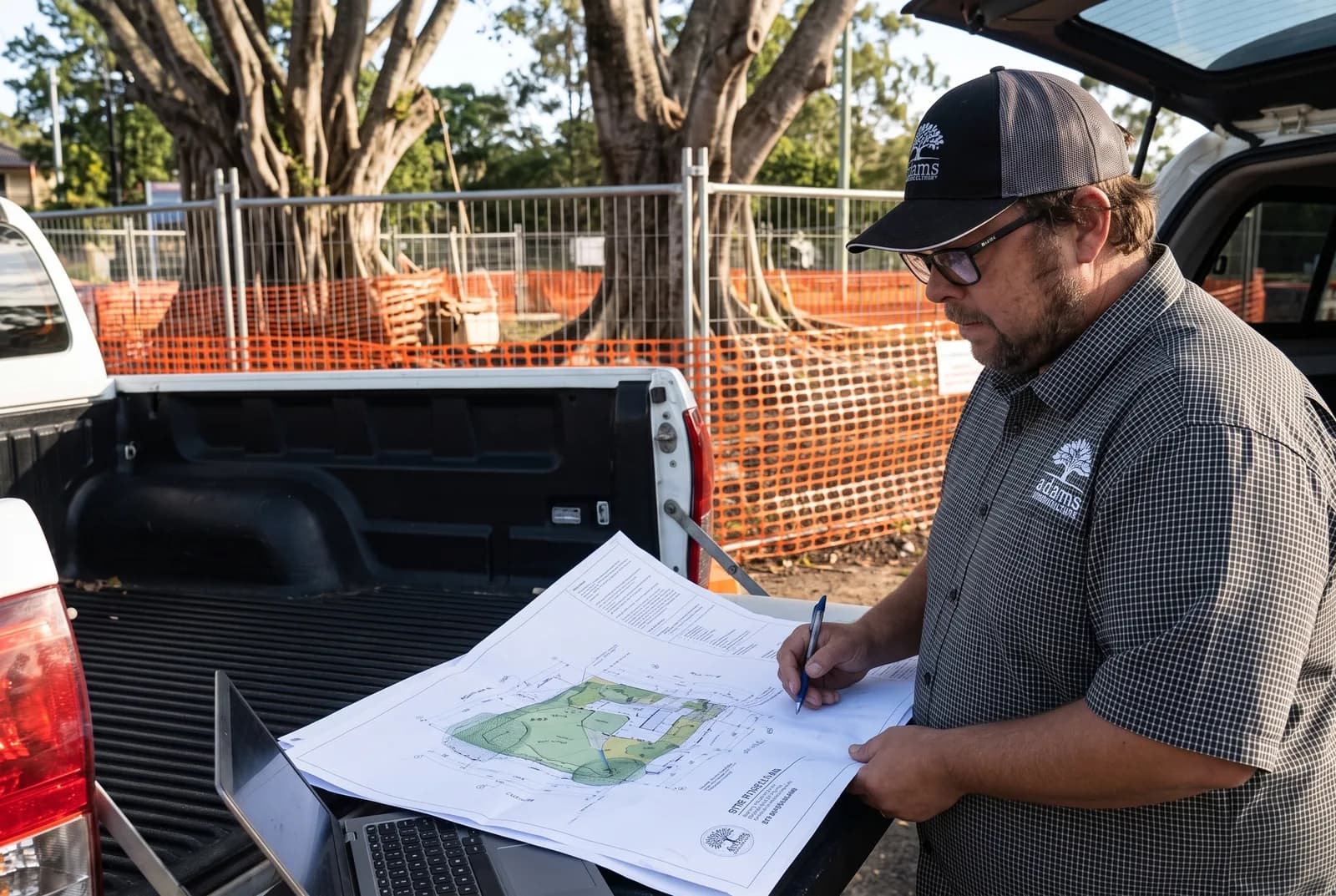
Plant healthcare starts with working out what is actually acting on the tree: a pest, an insect, a pathogen, a nutrient deficiency, or damage done to the root zone by something that happened nearby. Adam assesses that on site, and where treatment is appropriate he carries it out as part of the consulting role.
What follows is usually a program rather than a visit. Trees respond slowly, so the plan involves repeat attendance and monitoring, with the response adjusted as the tree does or does not recover.
- Pest and insect assessmentWhat is present, whether it matters, and whether it explains the symptoms.
- Disease and fungal assessmentPathogens and fruiting bodies, and what they indicate about the tree.
- Nutrient and soil-condition issuesWhere decline traces back to what the tree is growing in.
- Post-construction tree healthTrees that have not recovered from works, compaction or root disturbance nearby.
- Treatment within the consulting roleAntifungal and insecticide treatments where they are appropriate to the diagnosis.
- Monitoring over repeat visitsA program with attendance over time, not a one-off application.
How it runs
Work out the cause before treating anything
Most of the value is in the first step. Treating a symptom without a diagnosis is how a tree gets three years of the wrong intervention.
- 01
Describe the symptoms
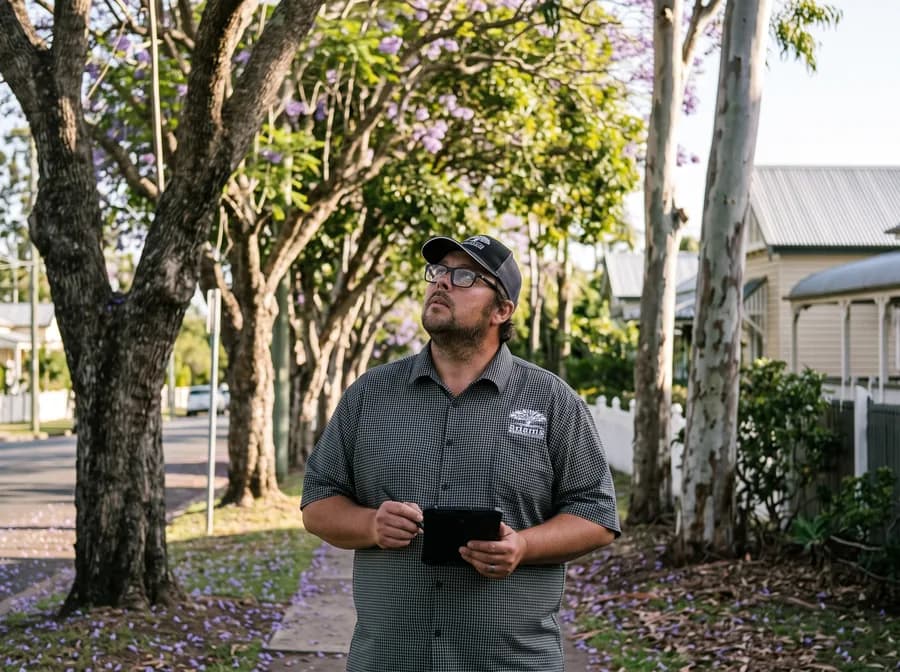
What you are seeing and when it started. Dieback in the upper canopy, leaf discolouration, fungal growth at the base, or a tree that has looked wrong since building works next door. Photographs are genuinely useful here.
- 02
Assessment on site
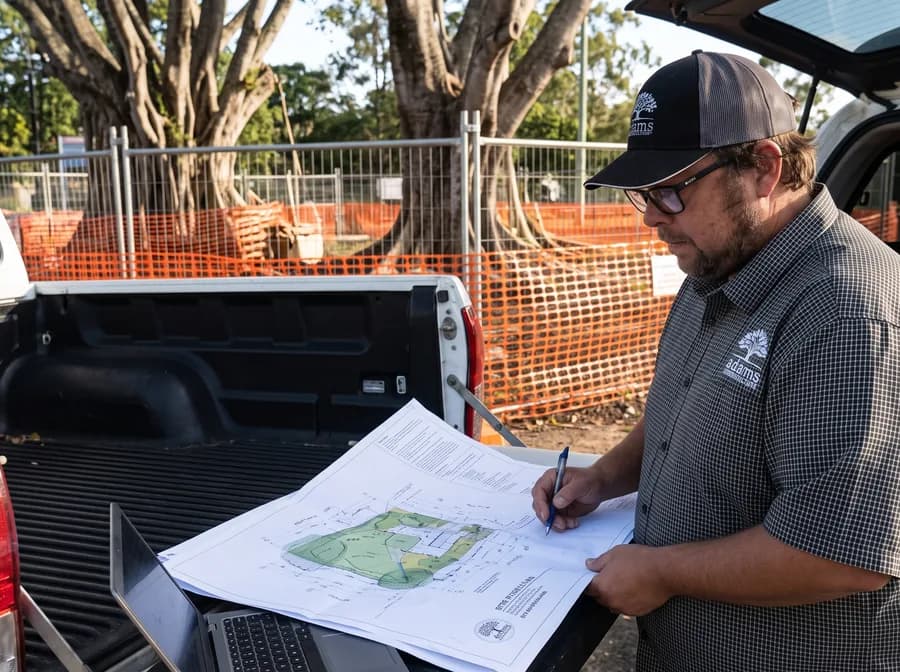
The tree, and the ground it is standing in. Pests, insects, pathogens and fungal fruiting bodies, canopy condition, and what has changed around the root zone. Where soil testing is needed it is contracted to an appropriate provider — Adam does not carry that out himself.
- 03
A plan proportionate to the tree
What is acting on the tree, whether intervention is warranted, and what form it takes. Sometimes the answer is a treatment. Sometimes it is changing what is happening around the tree, and sometimes it is monitoring while the tree recovers on its own.
- 04
Treatment and monitoring
Where treatment is appropriate to the diagnosis, Adam carries out antifungal or insecticide treatment as part of the consulting role. Trees respond over seasons rather than weeks, so attendance is repeated and the response is adjusted against what the tree actually does.
Where to start
Three ways trees usually go wrong
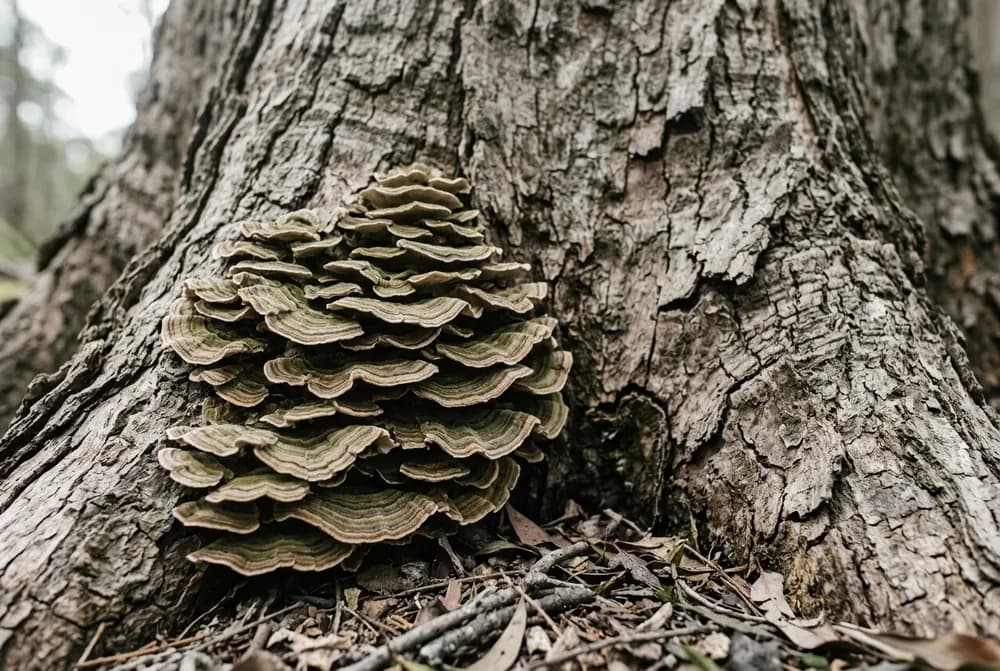
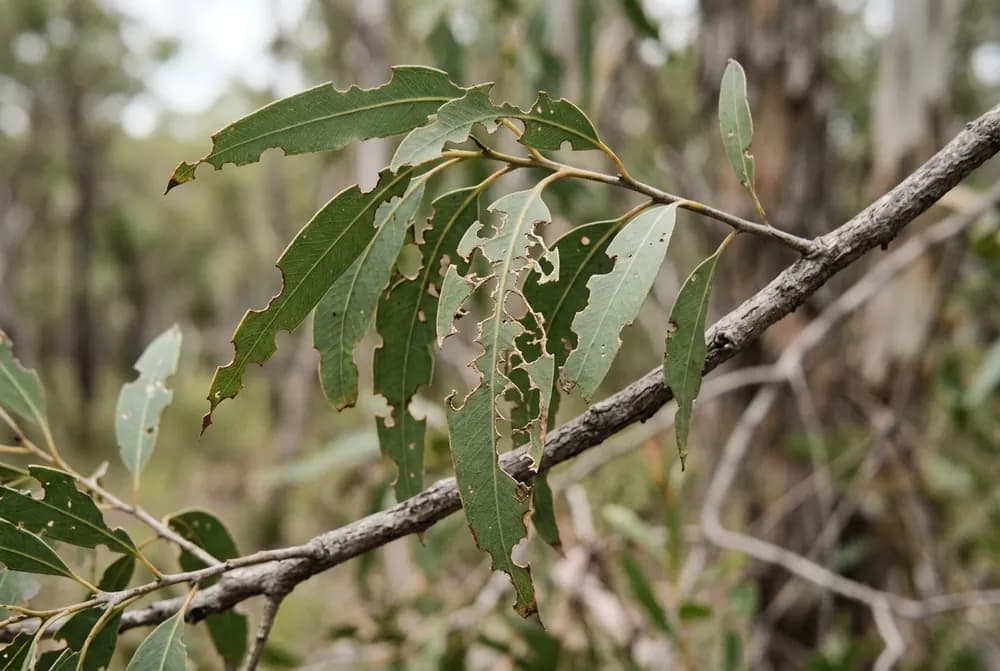
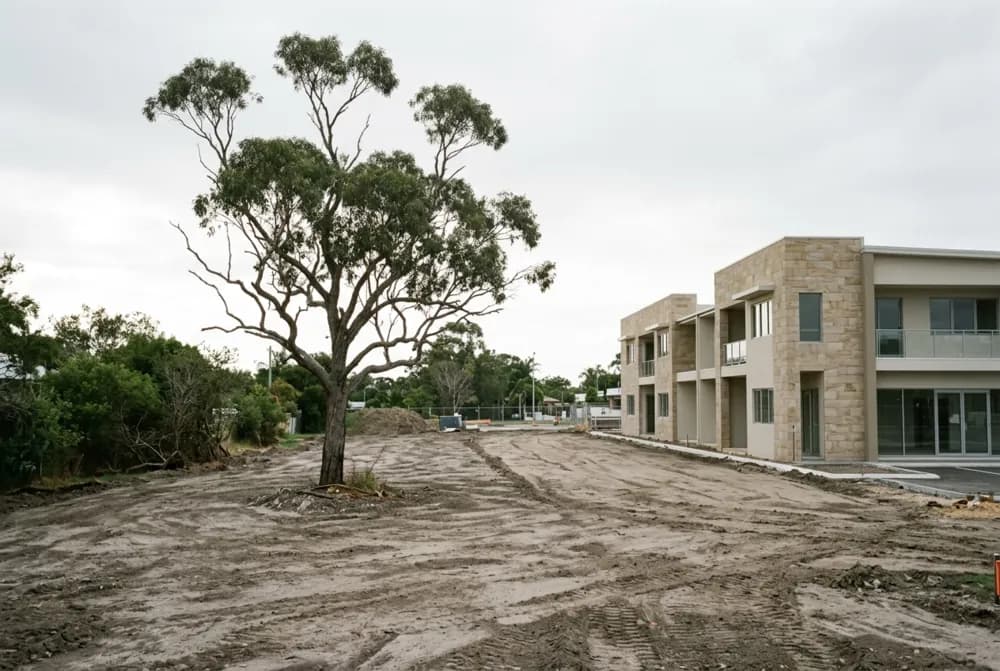
Three pages under this one, each written for a different cause of decline.
Common questions
About trees in decline
It depends entirely on what they are. Some fungi live on dead material and say very little about the tree. Others are decay fungi and indicate the tree is losing structural wood, which is a different conversation. Identifying which one is present, and what it means for this particular tree, is the point of the assessment.
Not without knowing what is wrong. Adam carries out antifungal and insecticide treatments where they are appropriate to the diagnosis, as part of the consulting role — but a treatment applied to the wrong cause costs a season of the tree's recovery and tells you nothing. The assessment comes first.
Not personally. Where soil testing is needed it is contracted to an appropriate provider and the results are read back into the assessment. Adam is upfront about that rather than quietly leaving it out of scope.
It often is. Compaction, cut roots, changed drainage and material stored over the root zone all do damage that shows up in the canopy months or years later. Post-construction decline is a recognised pattern and it is assessed differently from a pest or a pathogen, because the cause is usually already finished happening.
As long as the tree needs, which is measured in seasons. Programs typically involve repeat visits and monitoring rather than a single treatment, because that is the only way to tell whether the response is working. The interval depends on the tree and what is being treated.
That is a legitimate question and it gets an honest answer, because Adam has no financial interest in either path — he does not carry out removals. Where a tree is beyond a proportionate intervention he will say so. Where it is recoverable, the program is what recovers it.
Contact
Send Adam the address and he will take it from there
For many protected vegetation questions, the property address is enough to start checking. Call, or send the details below.