Two documents, named separately for a reason
AS 4970:2025 names both a Tree Protection Plan and Tree Protection Specifications, and they do different work.
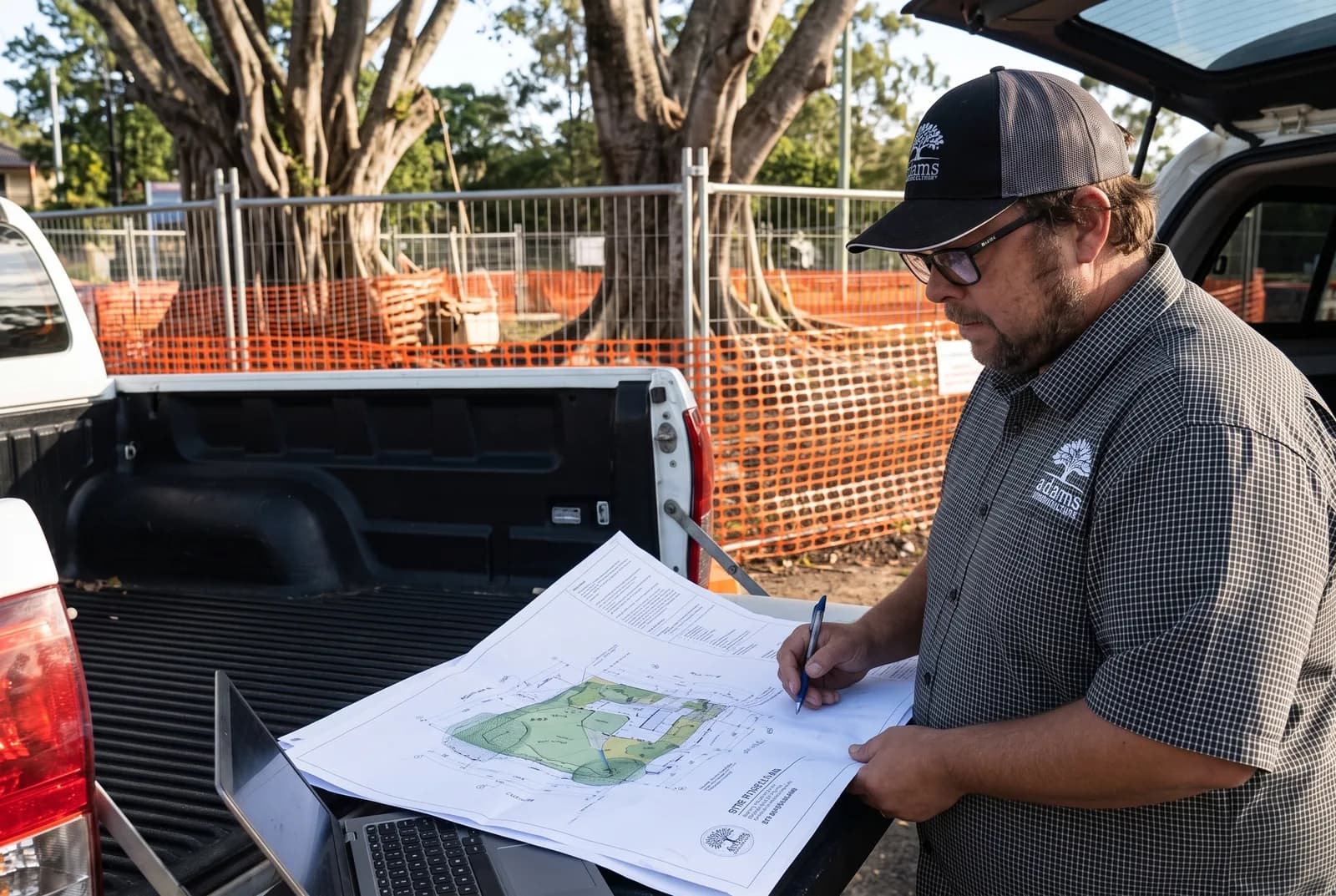
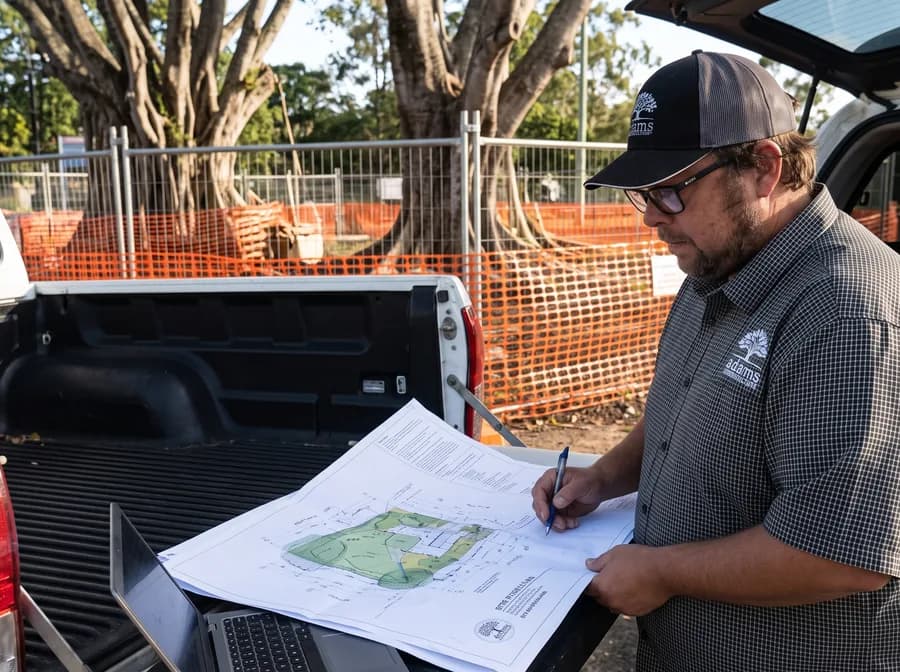
The Specifications set out what protection is required and to what standard — the measures themselves, how they are constructed, how they are maintained, what may occur inside a protection area and under what conditions. The Plan is that protection drawn for this site: where the fencing goes, which trees, what distances, in relation to the actual works.
On a small job they may arrive as one package. They are still two named things, and where an approval names one specifically, that is what has to be provided.
A Tree Management Plan is a third document again — how identified trees are managed over time, rather than how they are protected through construction.
What the protection actually covers
Fencing is the visible part, and the part everyone thinks of, but protection is broader than a fence line. It covers what happens to the ground, to the air space, and to the sequence of works.
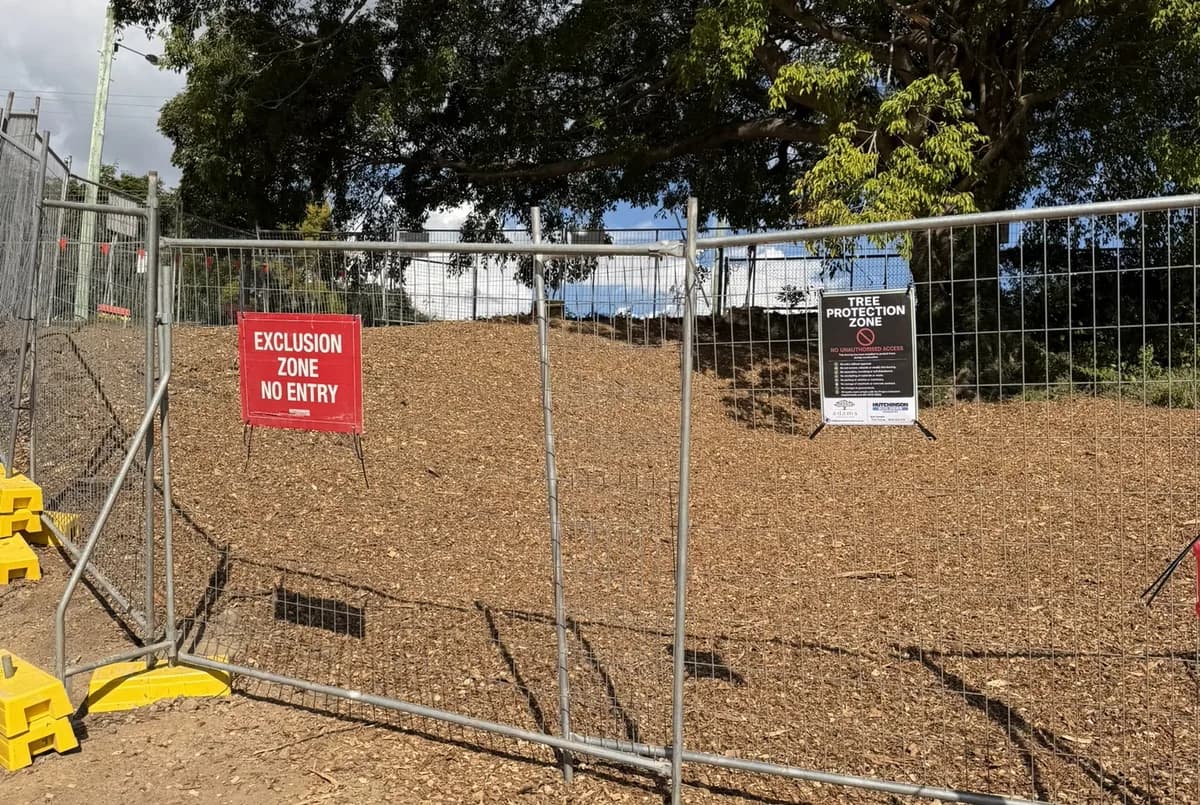
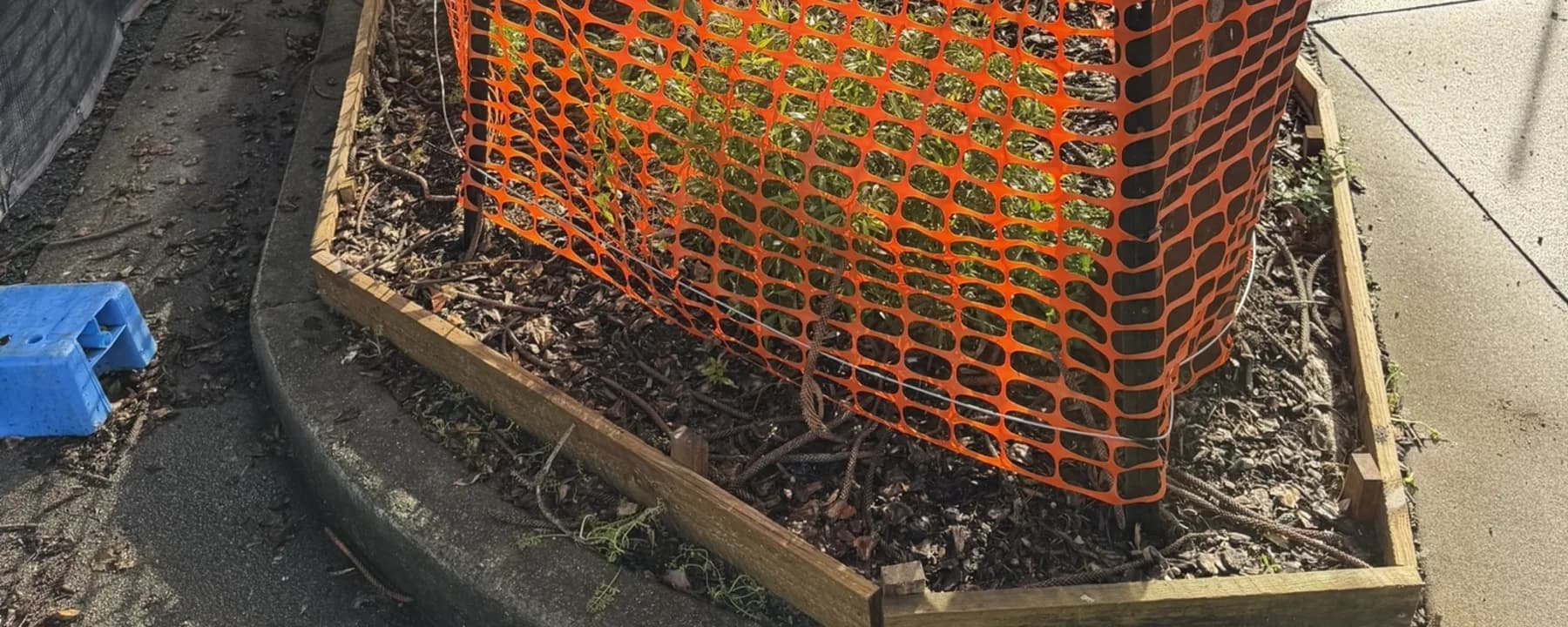
- Protection measuresFencing type, position and extent, ground protection, mulching, signage where required.
- Tree Protection Zone managementWhat may occur inside the zone, under what supervision, and what may not occur at all.
- Root-zone managementServices routing, level changes, storage and access — the things that damage roots without touching the tree.
- Tree-sensitive construction methodsWhere standard methods are not viable near a retained tree, what replaces them.
- Construction documentation inputThe protection requirements written into the documents the site actually builds from.
- Inspection pointsWhen the arborist attends, and what has to be in place before works proceed.
Written to be used, not filed
The failure mode for a protection document is that it is technically correct and practically unusable. A site supervisor with twenty things to sequence needs to know where the fence goes, what happens if a service has to cross the zone, and who to call before anyone digs — not a restatement of the Standard.
Adam has run crews and done the physical work, which is the difference between a specification that can be followed and one that gets quietly ignored on the second week. Protection that the site cannot actually implement is protection that will not survive contact with the programme.
Keeping it standing through the job
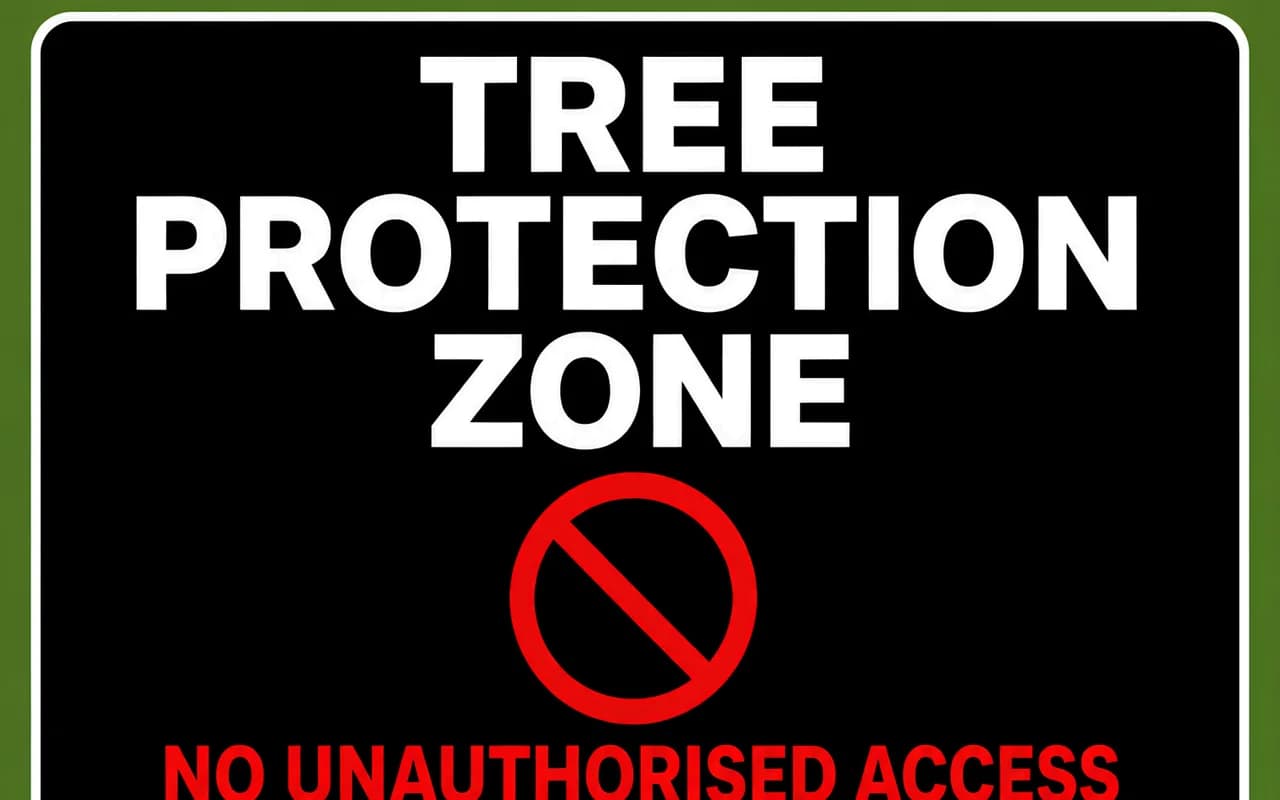
Protection degrades. Fencing gets moved for access and not moved back, mulch gets driven over, material gets stacked inside a zone because it was the nearest flat ground.
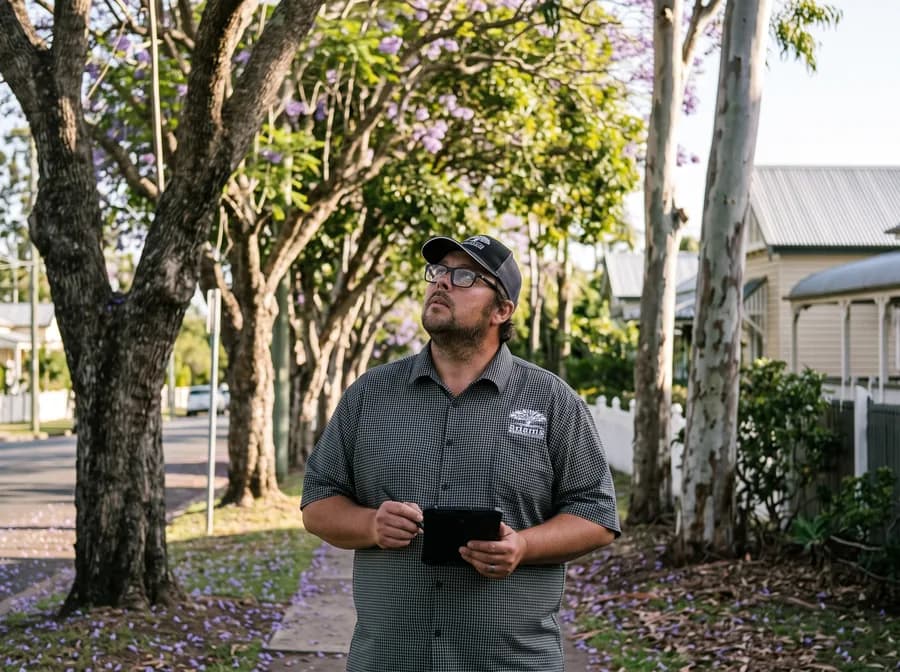
Where an approval requires it — and often where it does not — the protection is inspected through construction rather than assumed. As project arborist Adam attends at the nominated points, reviews works around retained trees, and supervises anything happening inside a protection area.