Before you commit to a site
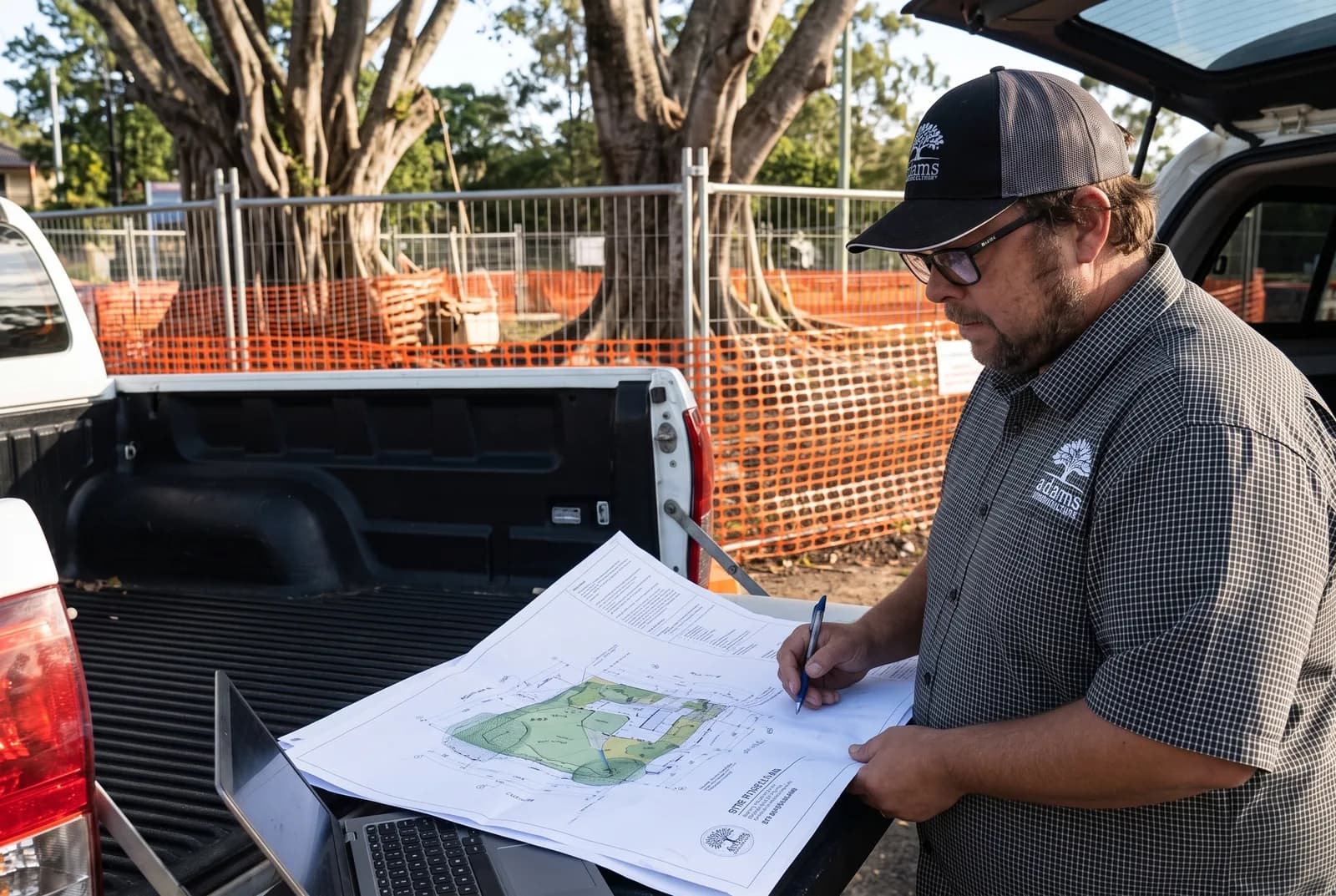
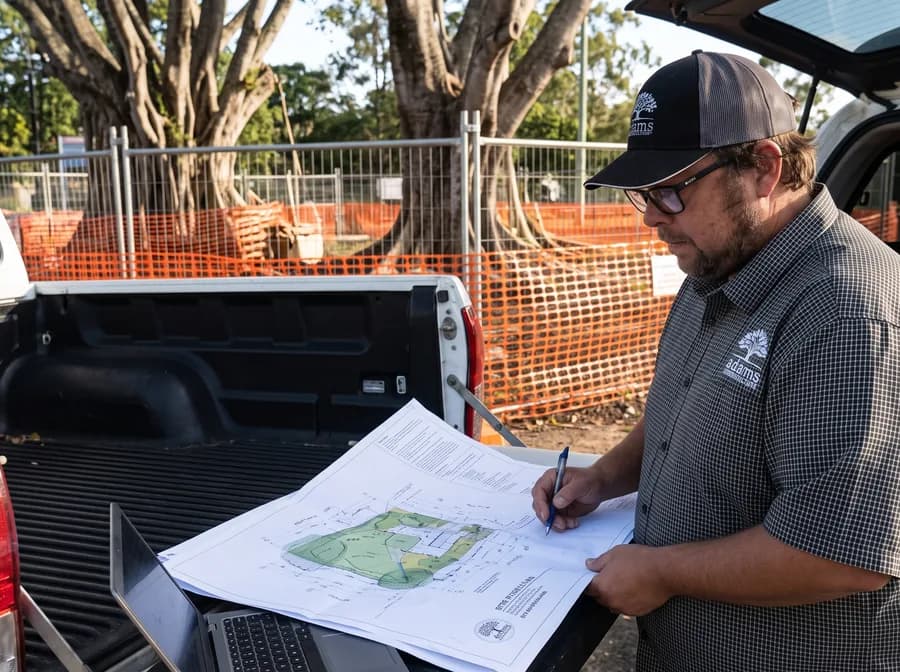
What is on the site, what is protected, and what that means for what you can put on it. That is a check against the address and a walk, and it is available well before a contract of sale settles.
The answers change decisions. Protected vegetation in the wrong position can remove a building envelope, alter an approval pathway, or turn a straightforward application into an assessable one. None of that is visible from a survey plan, where a mature tree is a small circle with no root zone drawn around it.
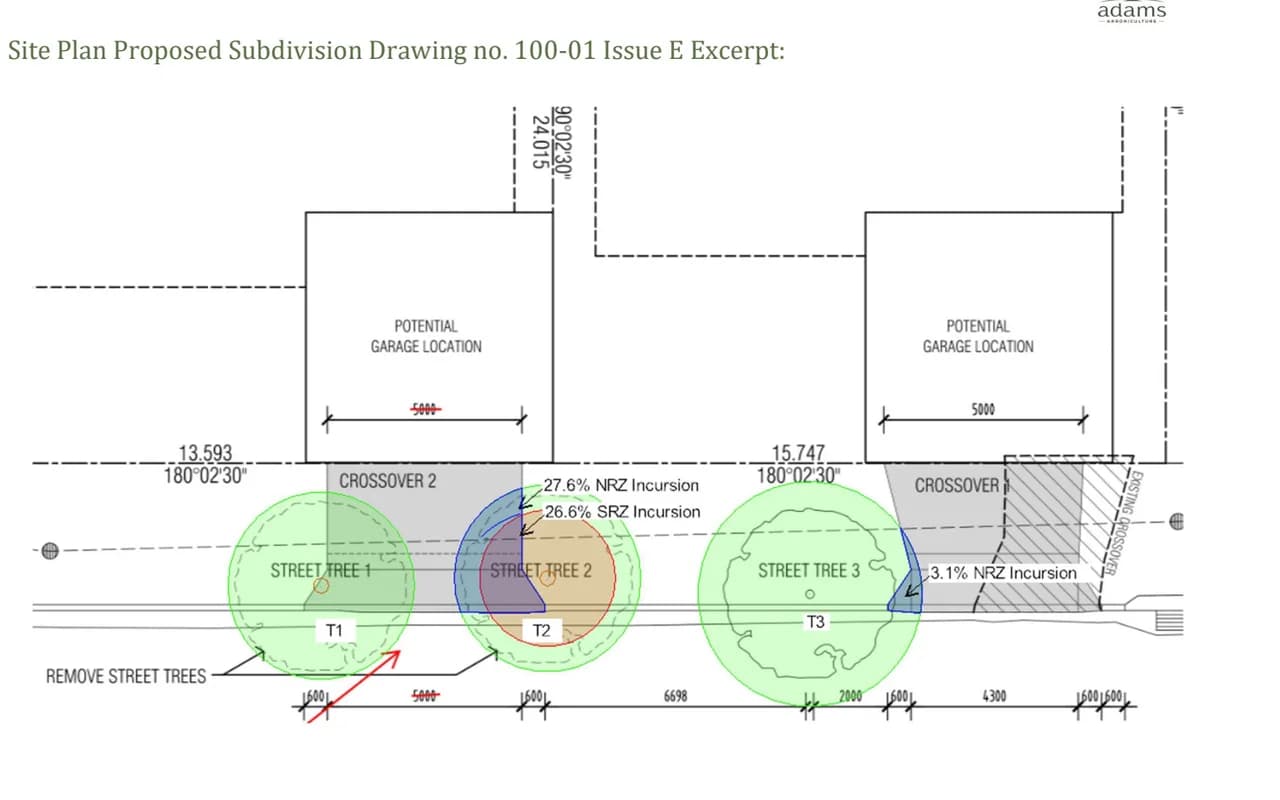
A tree that has to be designed away is a cost. A tree that ends up as the reason a courtyard sits where it does is an asset. The difference is usually decided in the first hour on site.
The approval pathway, in the order you meet it
Most of the expense on a development site comes from meeting these out of order — most often by lodging without arboricultural material and receiving a request for further information.
- Pre-DA adviceConstraints and opportunities while the layout can still move. Often verbal.
- Preliminary Arboricultural ReportThe design-stage document under AS 4970:2025.
- Arboricultural Impact AssessmentThe impact of the proposal as drawn. What most approvals name.
- Council queriesA request for further information is normal and is part of the engagement.
- Protection plans and specificationsWhat is fenced, and what may happen inside it.
- Project arborist through constructionSupervision where the programme comes near retained trees.
- Completion certificationThe named document that discharges the condition.
Conditions outlive the build
Approvals affecting protected vegetation commonly attach conditions that are not discharged at practical completion — an arborist inspection of the completed works, a certification document named specifically, sometimes a tree management plan running past handover.
Those surface later if they are missed: at sale, at a subsequent application, or when someone reads the approval carefully. Closing them out properly is cheaper than rediscovering them.
One arborist across the project
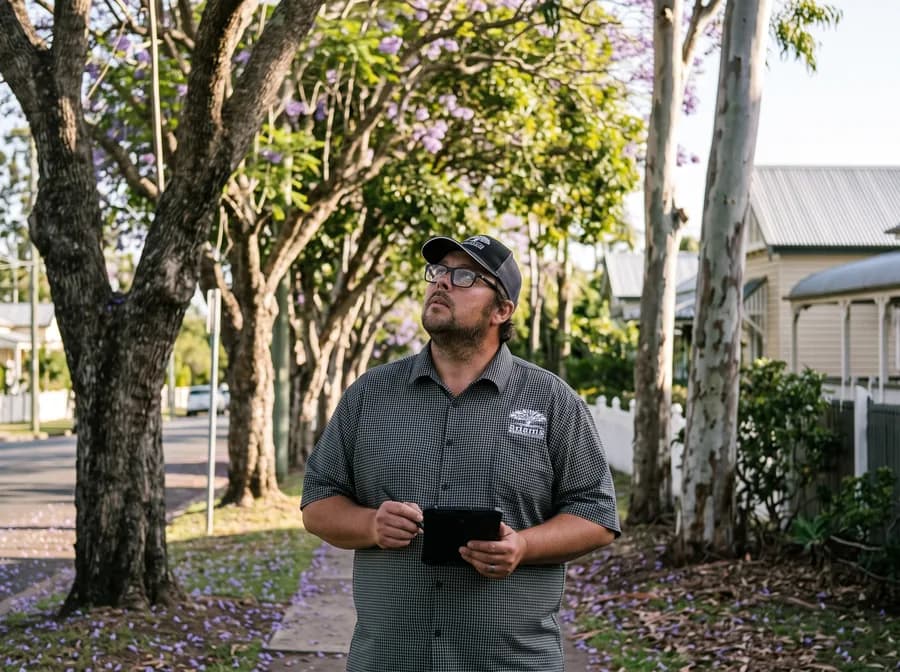
The practical advantage of continuity is that the person attending during construction already knows why each tree carries the zone it does and what the assessment assumed — which is not always evident from the documents alone.
It also means one point of contact for council on the arboricultural side, and one person accountable from pre-DA through to the final inspection.
And no interest in the tree work
Adams Arboriculture does not carry out removals or general tree work. Where a report supports retention, that costs this business nothing; where it supports removal, a contractor is engaged separately and no margin flows back here.
On a development site that matters in a specific way: the scope of tree works recommended is not being set by the party who would be paid to carry them out.