When a removal application needs a report
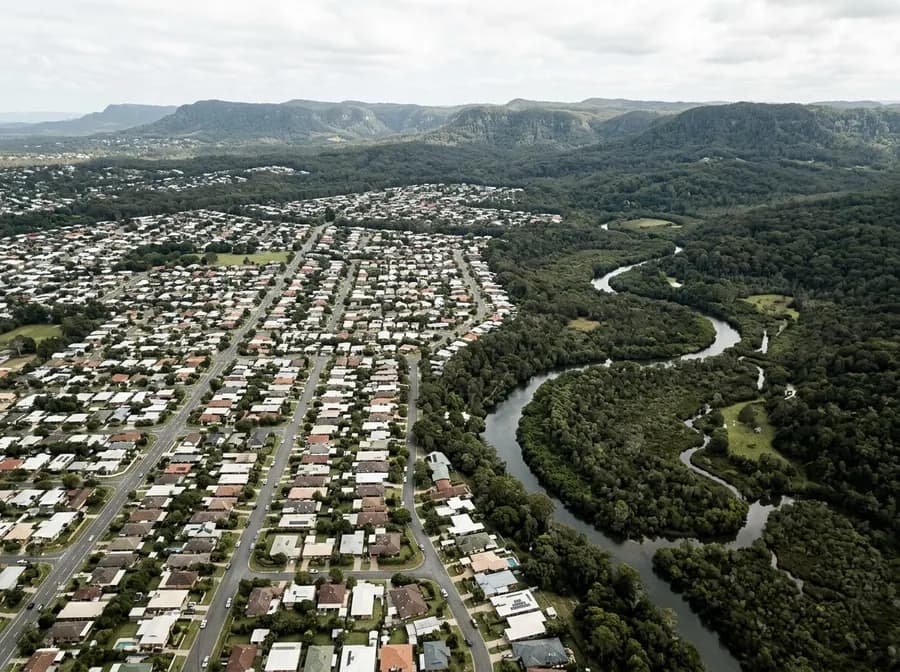
Where the vegetation is protected. Councils across South East Queensland protect trees under local laws, planning scheme overlays and orders, and works affecting protected vegetation need approval before they happen.
Whether your tree falls under one of those is a check against the address rather than a judgement about the tree. Plenty of trees are not protected at all, and where that is the case the question ends there.
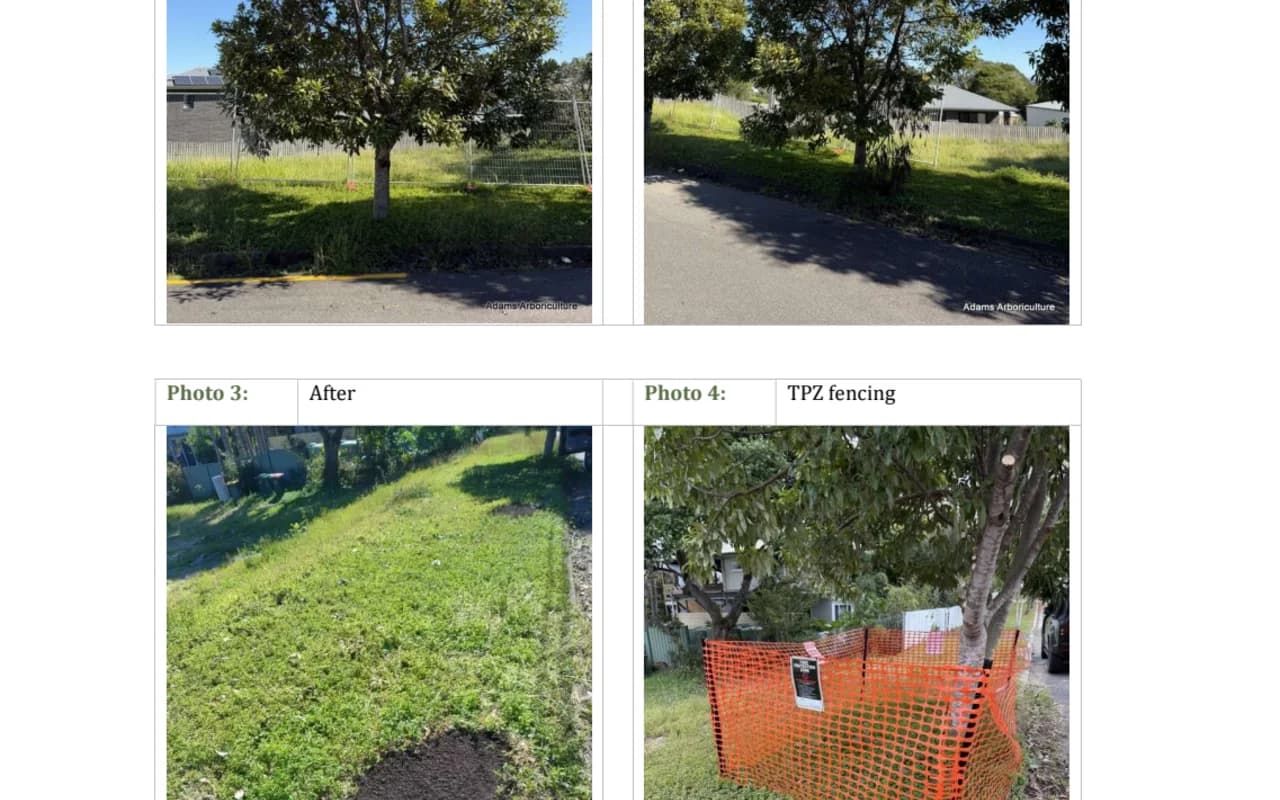
Establish whether the tree is protected before booking anyone to remove it. Works carried out on protected vegetation without approval are a matter for the council concerned.
What the report has to establish
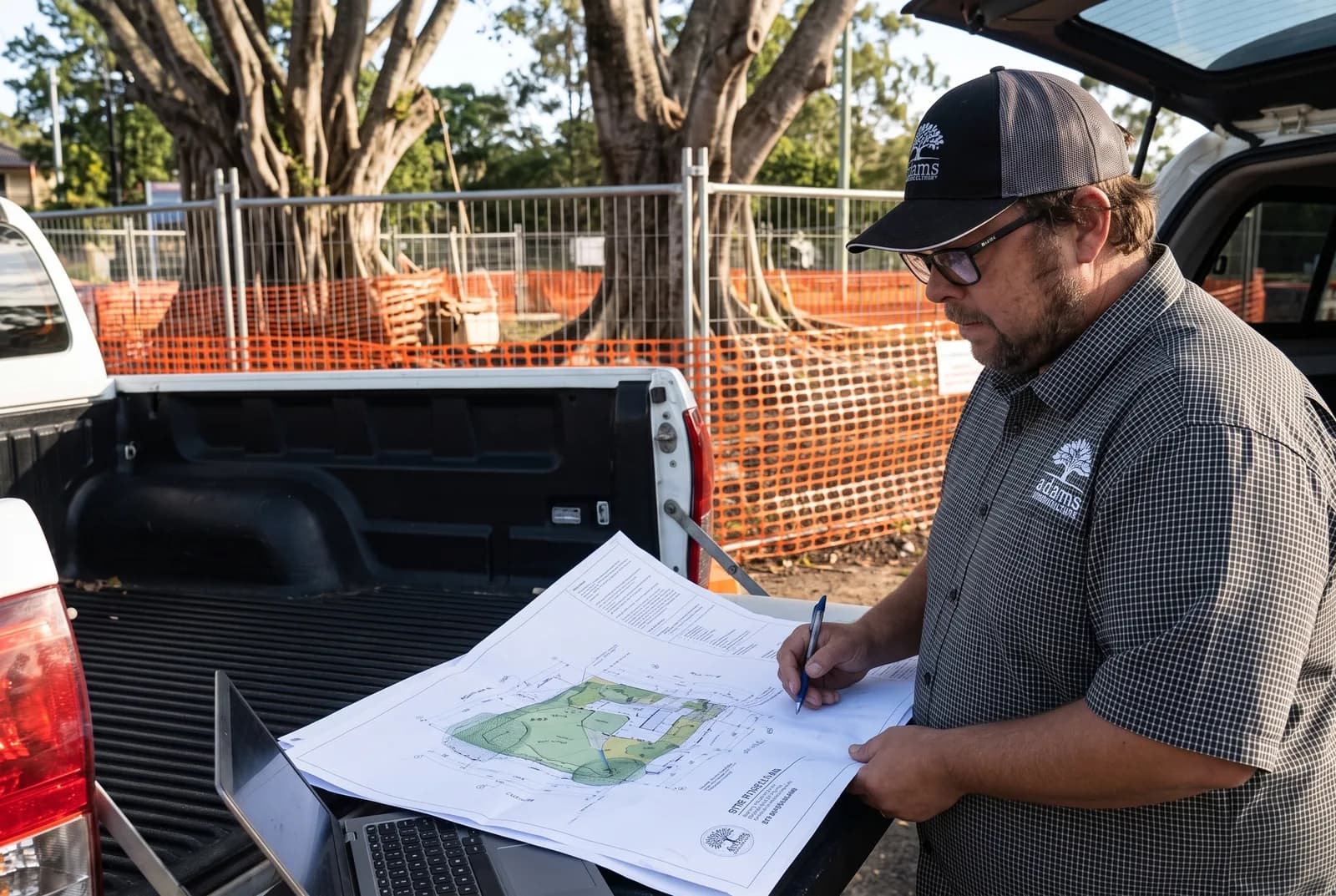
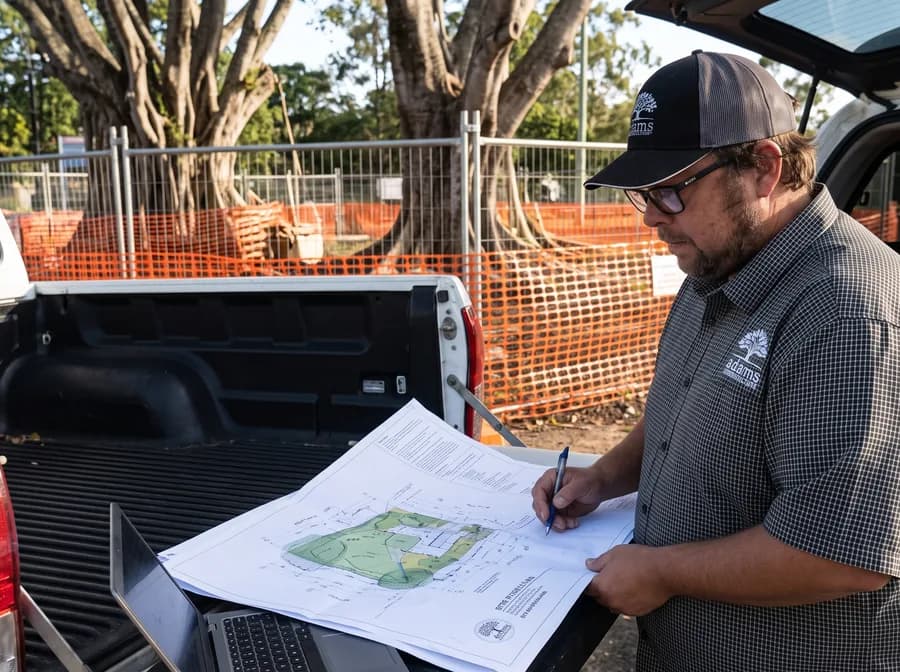
Councils are generally not persuaded that a tree should go because it is inconvenient. What they assess is whether there is an arboricultural basis for the proposal, and the report is where that is set out — or where it is found not to exist.
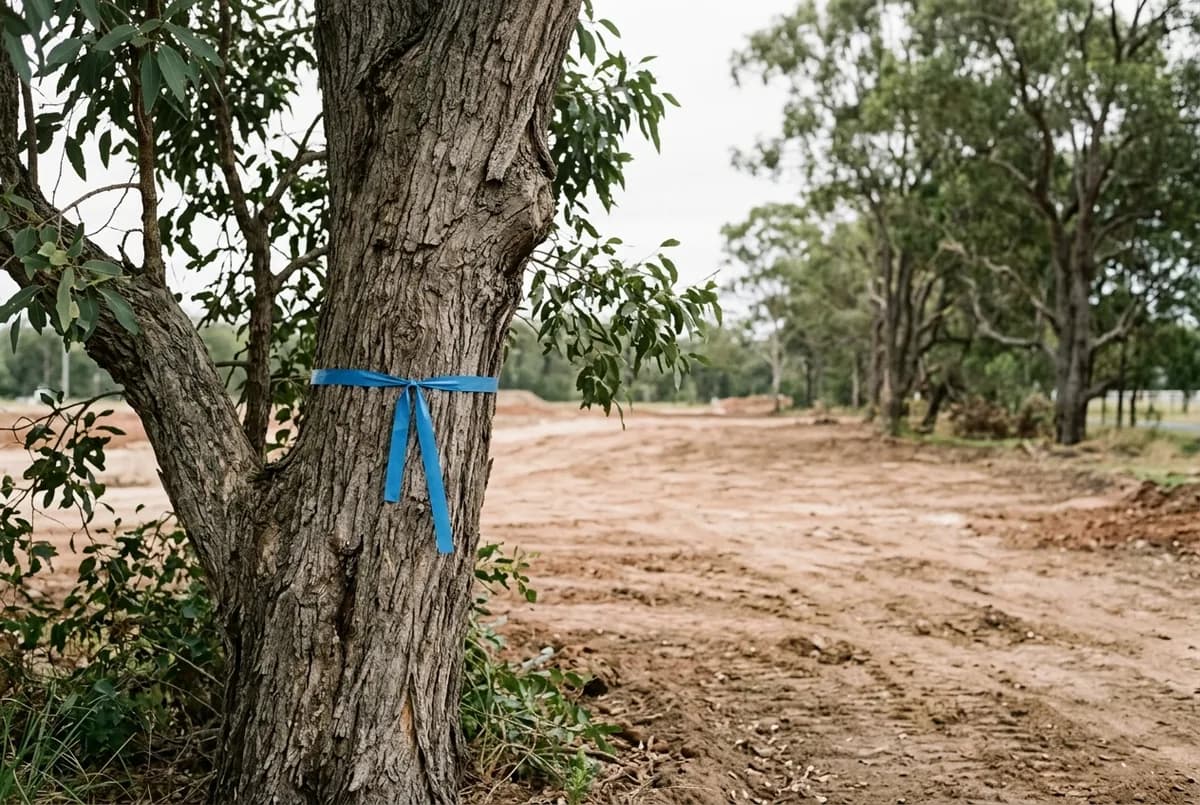
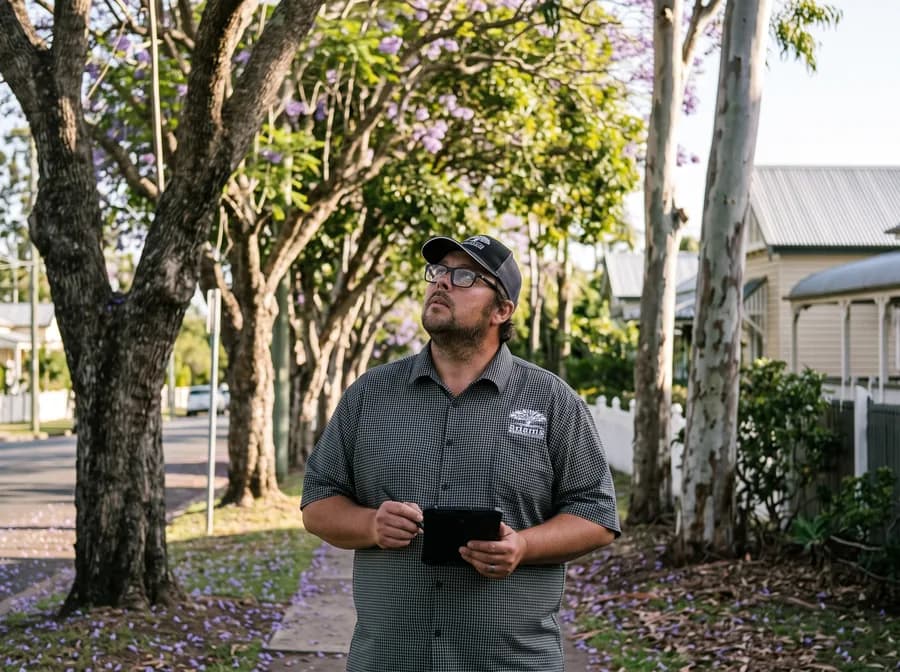
- What the tree is and its conditionSpecies, dimensions, health and structure, recorded on site.
- Any defects and what they meanAssessed properly rather than described with adjectives.
- The risk it presents, where risk is the issueQuantified using QTRA, the method Adam holds Licence No. 6712 in.
- Whether alternatives existPruning, remedial work, monitoring, or a change to what is proposed around the tree.
- The basis for the proposalSet out so the council can assess it against its own instrument.
Why an independent assessment carries more weight
A report supporting removal, written by a business that would also carry out the removal, is written by someone whose fee depends on the recommendation. That does not make it wrong, and it is a structural fact an assessing officer can see as easily as you can.
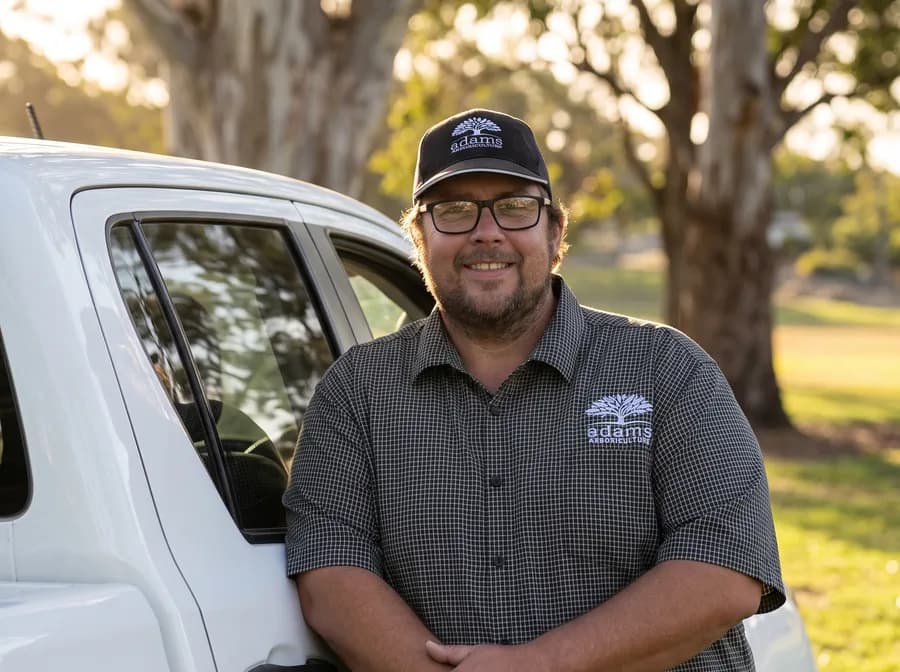
Adam does not carry out removals, lopping or general tree work of any kind. Retaining the tree and removing it are the same outcome to him financially, which is precisely what makes his conclusion about which is appropriate worth reading.
What happens if the tree does not need to come down
He will say so. That is an uncomfortable outcome when someone has already decided, and it is the entire point of engaging an independent arborist rather than a contractor.
It is also frequently the useful answer. A tree that looked alarming may be structurally sound; a tree in the way of a proposal may be workable around with a change nobody had considered; a defect that prompted the call may be treatable. Where removal genuinely is the right course, the report says that instead, and says why.
Adams Arboriculture will not write a report that recommends an outcome the assessment does not support. That is not a service anyone should want to buy.
After the council decides
Where an application is approved, the approval commonly carries conditions — how the works are carried out, protection for surrounding vegetation, and often an arborist inspection afterwards.
Depending on what the approval names, that final document may be a Completion Report, a Final Arborist Report, an Arborist Certification Report, or a Declaration of Compliance for Approved Works to Protected Vegetation. The condition stays open until the named document is provided.
The removal itself is carried out by a tree contractor engaged separately. Adam has no financial interest in that scope.