Why early is the whole argument
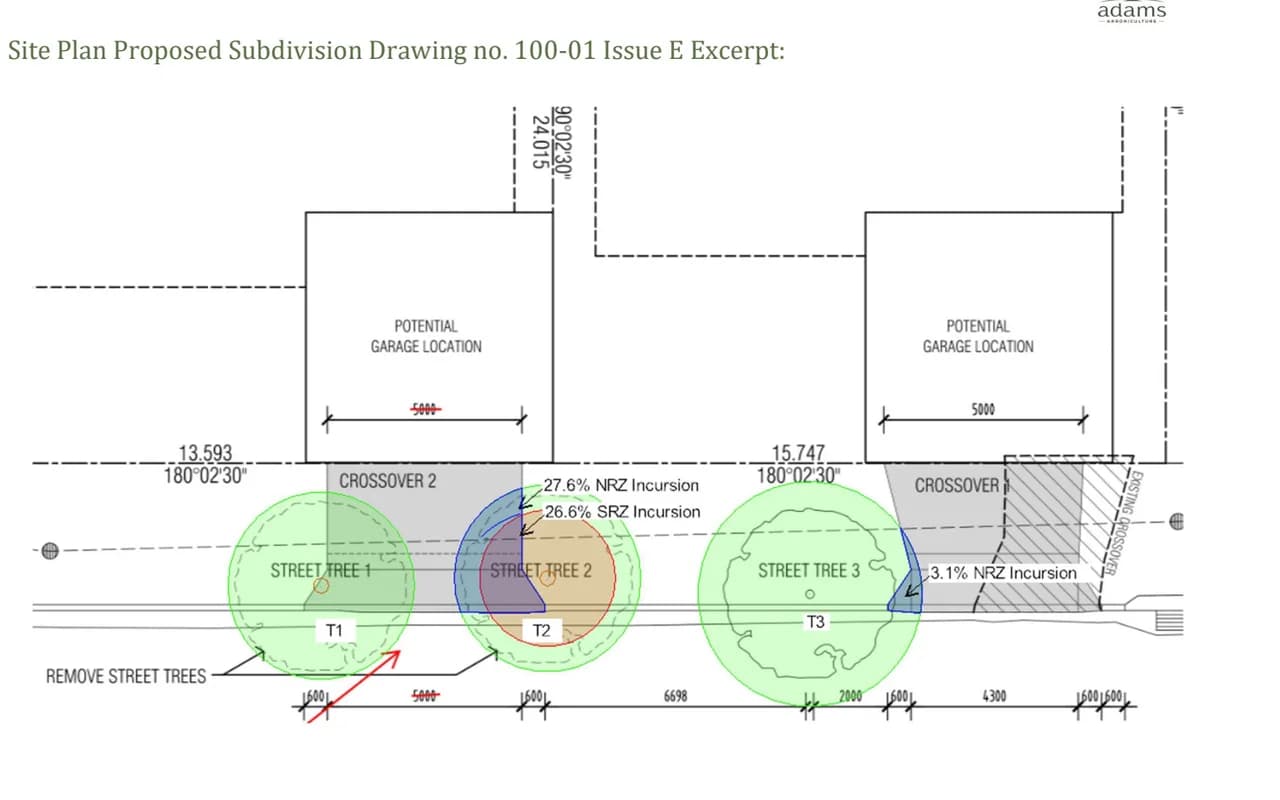
A tree identified at concept stage is a design input. The same tree identified after the plans are locked is a problem, and resolving it means redesign, delay, a changed approval pathway, or all three.
That is not a scheduling preference, it is arithmetic. Moving a building footprint on a drawing costs an afternoon. Moving it after a DA has been lodged costs a resubmission. Discovering during construction that a retained tree cannot survive what was approved costs considerably more than either, and by then the options have narrowed to ones nobody wanted.
Adam is engaged at this stage more often than any other, usually by architects and designers who would rather know now.
What the advice actually covers
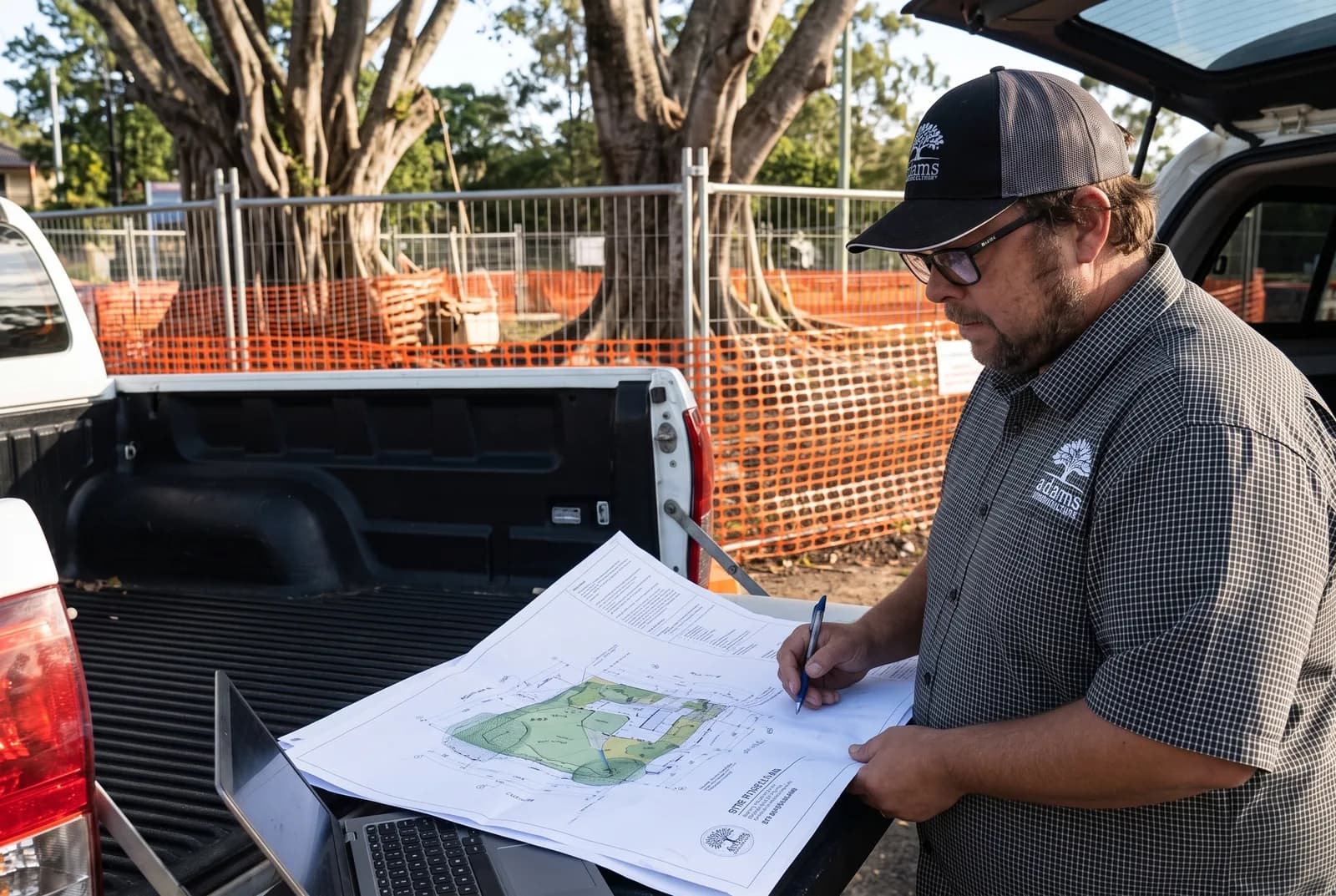
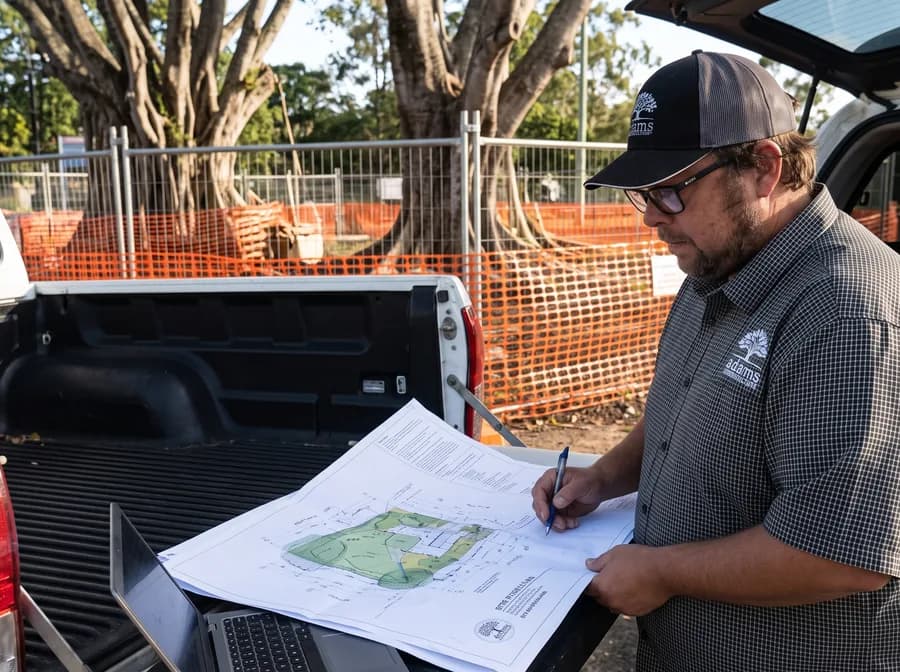
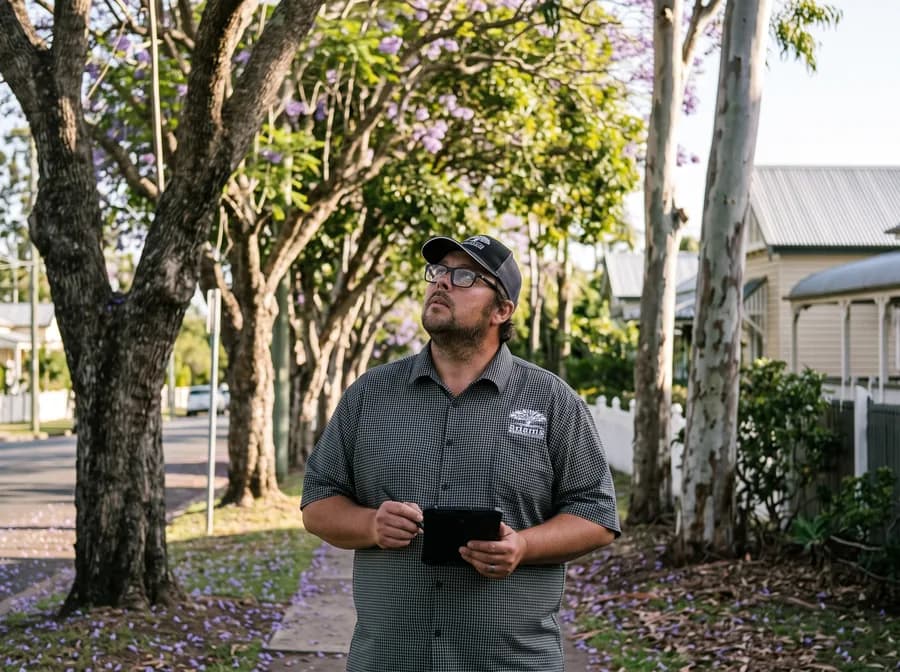
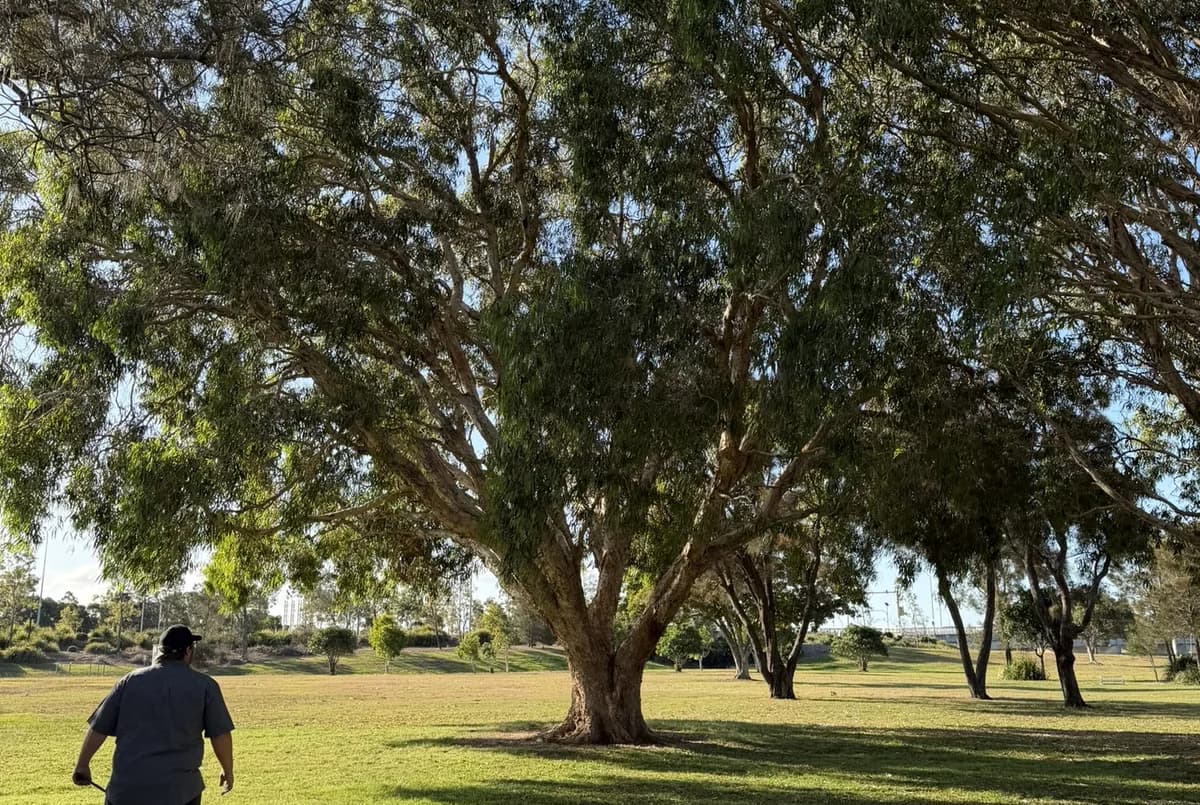
A site walk and a conversation. Which trees are genuine constraints and which are opportunities, what is likely to be protected, what the council instrument is, and what an approval will probably ask for.
Crucially it also covers how retained trees might be incorporated rather than merely worked around. A tree that has to be designed away is a cost. A tree that ends up as the reason a courtyard sits where it does is an asset, and the difference is usually decided in the first hour.
- Preliminary tree assessmentWhat is on the site, in what condition, and which of it matters.
- Constraints and opportunitiesThe trees that will shape the layout, and the ones that will not.
- Likely council requirementsWhether vegetation is protected, and what the approval pathway looks like.
- Tree-sensitive design adviceHow retained trees can be incorporated into the proposal rather than negotiated around it.
- Advice to the design teamArchitects, designers, developers and planners, at the point the drawing can still change.
It does not have to be a report
Early advice is frequently verbal. A walk, a phone call, a marked-up sketch. Nothing is written because nothing needs to be written yet — the value is in the information reaching the design team before decisions harden, not in a document existing.
A formal report follows when the project reaches the stage that requires one. Under AS 4970:2025 that is usually a Preliminary Arboricultural Report at design stage, then an Arboricultural Impact Assessment where the impact of the proposal has to be addressed. They are separate documents and are not interchangeable.
If you are being told you need a report before anyone has looked at the site, ask which document has been named and by whom. Sometimes the answer is that no report is required at all.
Who usually makes the call
Architects and designers, most often — they are the ones holding the layout while it can still move, and they carry the risk if a tree forces a change later.
Developers engage Adam to understand the approval pathway before committing to a scheme. Builders engage him when they have inherited a design with a retained tree in it and need to know what they can and cannot do. The advice does not change depending on who is paying for it.