What supervision means in practice
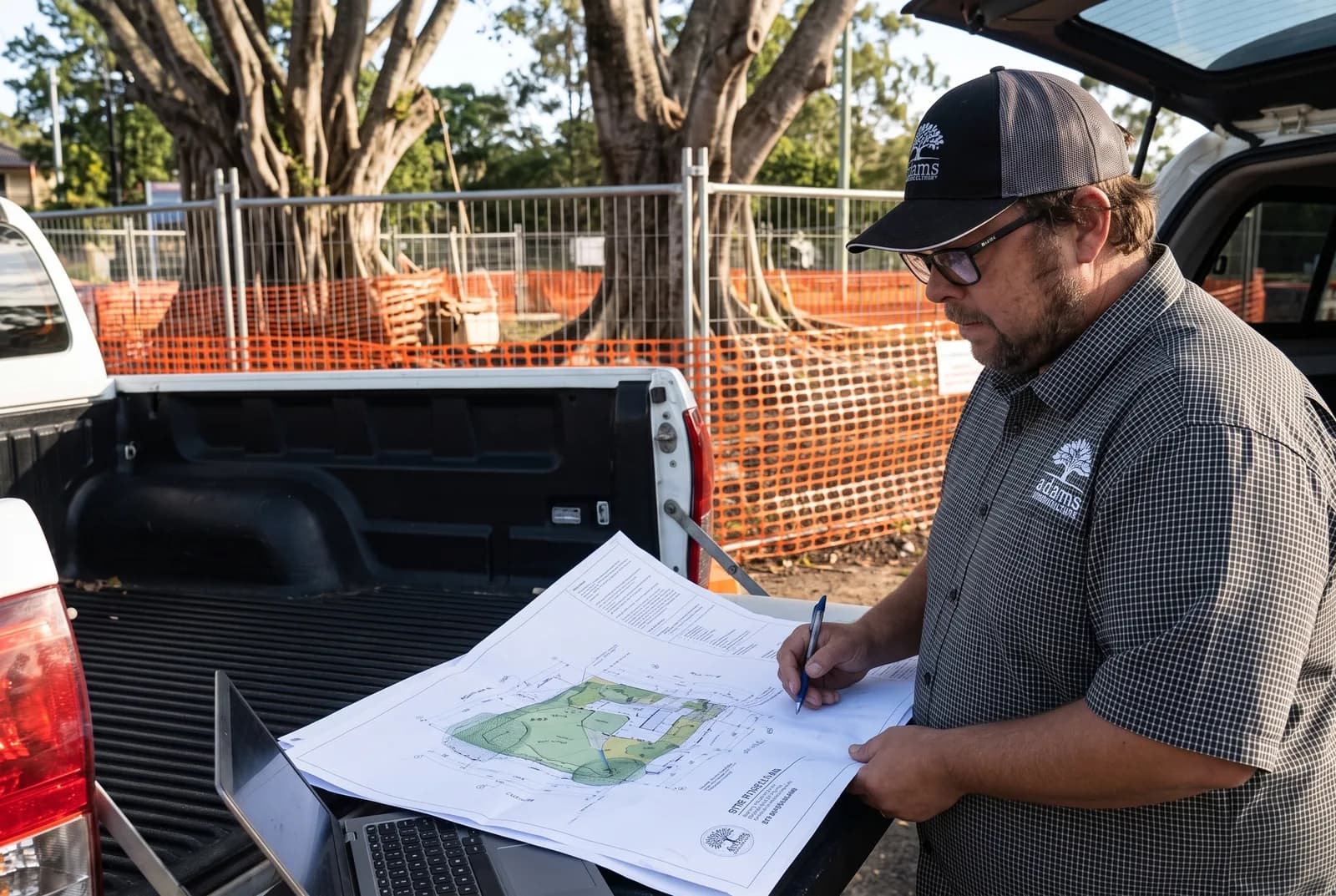
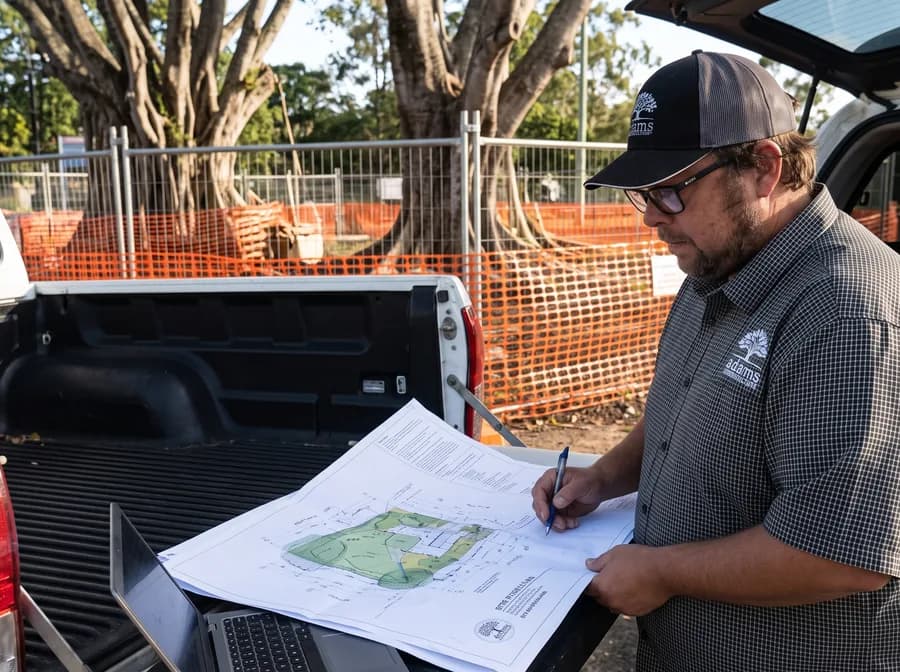
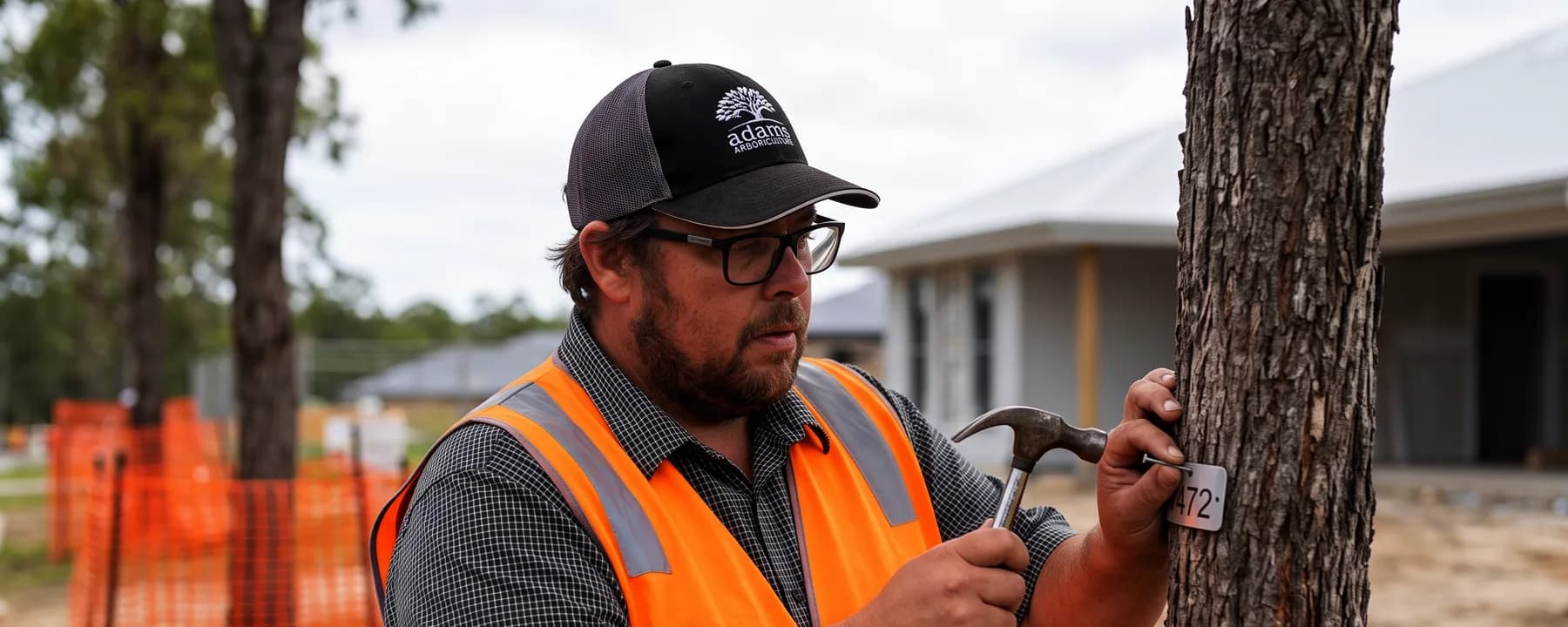
Supervision is the arborist being present while a specific piece of work occurs inside a protection area, with the authority to stop it. That is the whole idea: excavation near a retained tree produces information as it goes, and someone has to be there to read it while the machine is still standing.
It is not a walk-through afterwards. Once a trench is cut, the decision about how to cut it has been made, and the arborist attending later is documenting an outcome rather than shaping one.
Supervision is distinct from the wider project arborist role. One is attendance at a task; the other is accountability across the job.
When it is required
Most often because a condition says so. Approvals for works affecting protected vegetation frequently require an arborist present for nominated activities — excavation within a zone, service installation, level changes near a retained tree.
Beyond the conditions, supervision is worth arranging whenever the works and the roots occupy the same ground and the outcome is not fully predictable. That covers a lot of what happens near a mature tree on a constrained site.
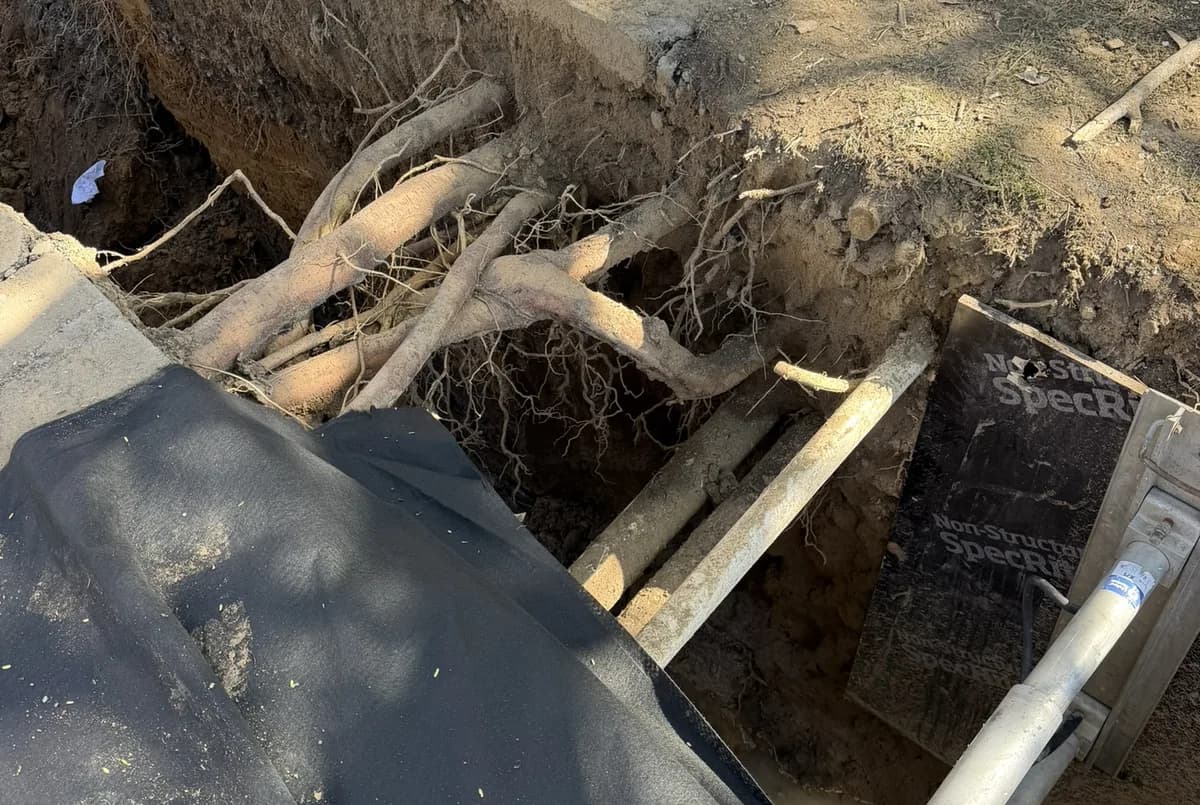
- Excavation inside a protection areaWhere roots are likely to be encountered and decisions have to be made live.
- Service installation and trenchingRouting, depth and method, resolved against what is actually found.
- Level changes near retained treesCut or fill over a root zone, which damages without touching the tree.
- Demolition adjacent to a zoneAccess, plant movement and material handling around retained trees.
- Hold points named in a conditionWhere the approval requires attendance before works proceed.
What happens when something is found
Roots turn up where nobody expected them, regularly. A structural root in the line of a footing, a root plate extending further one side than the other, or ground conditions that make the planned method untenable.
The value of having the arborist there is that the response happens immediately: whether the root can be pruned and how, whether the alignment can shift, whether the method needs to change, or whether the works need to stop while the design is revisited. Root pruning, where appropriate, is carried out as part of the consulting role.
What is found and what was decided gets recorded. On a project with conditions attached, that record is what demonstrates the condition was met.
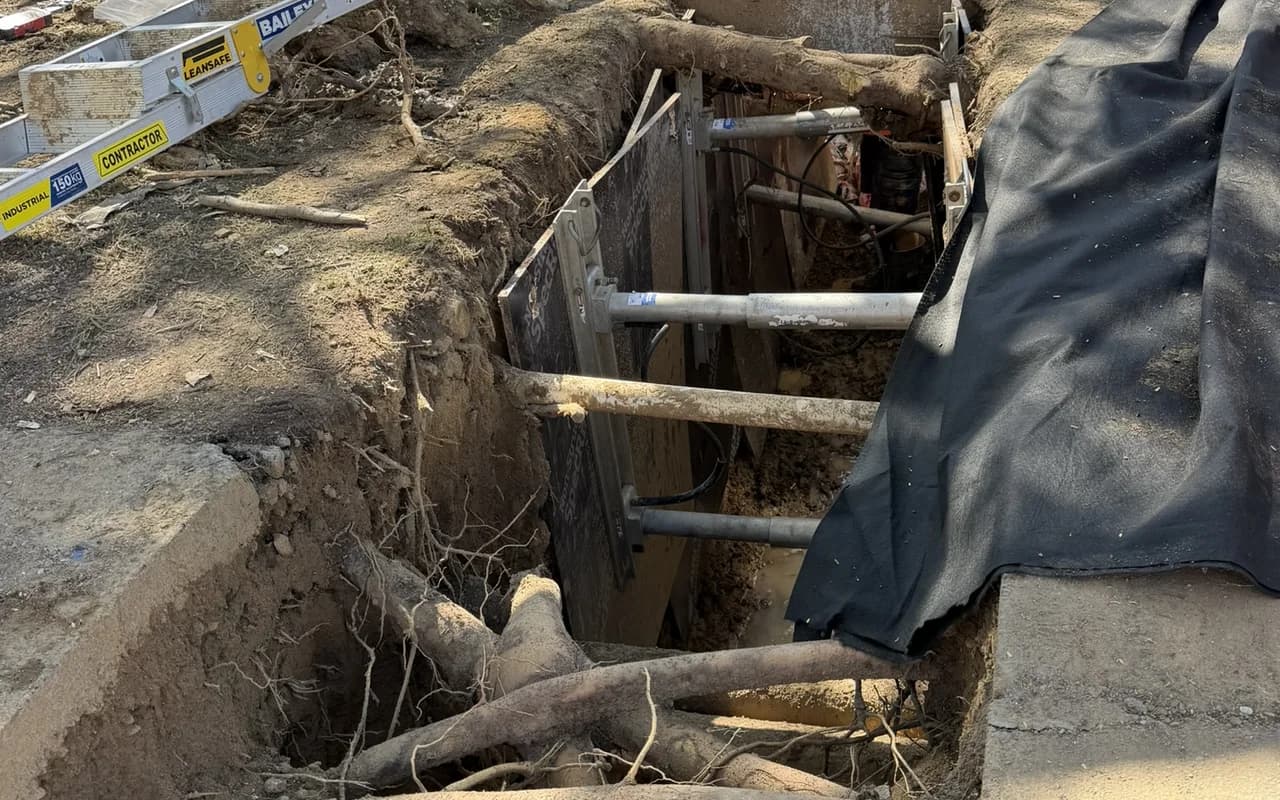
What skipping it usually costs
Damage to a root system is not visible on the day. A tree that has lost significant anchorage or a large share of its absorbing roots can look entirely normal for a season or more, then decline, and by then the site is finished and the cause is an inference rather than a record.
That is an awkward position for everyone. The builder has no record of what was done, the owner has a declining tree, and if a condition required supervision that did not happen, the approval has an unmet condition on it.