What tree risk actually means
Risk from a tree has three parts, and leaving any of them out produces a conclusion that sounds confident and means nothing.
There is what might fail — a limb, a union, the whole tree. There is how likely that failure is, which depends on the defect and the tree. And there is what is beneath it, which is the part most often ignored: the same limb over a busy footpath and over an unused corner of a paddock present very different risks despite being identical limbs.
That last part is why "is this tree dangerous" cannot be answered from a photograph. The tree is only half the question.
A tree with an obvious defect over nothing may present less risk than a sound-looking tree over a driveway. Both are assessments, not impressions.
When risk needs assessing
Usually because something has changed or someone needs a defensible basis for a decision.
- Something has failedA limb has come down, or a crack, lean or lifted root plate has appeared.
- A duty of care existsSchools, councils, body corporates, commercial property and anyone managing land the public uses.
- An insurer or body needs it in writingWhere a decision has to be justified to someone who was not there.
- A contractor has recommended removalAnd you would like that confirmed by someone not quoting on the work.
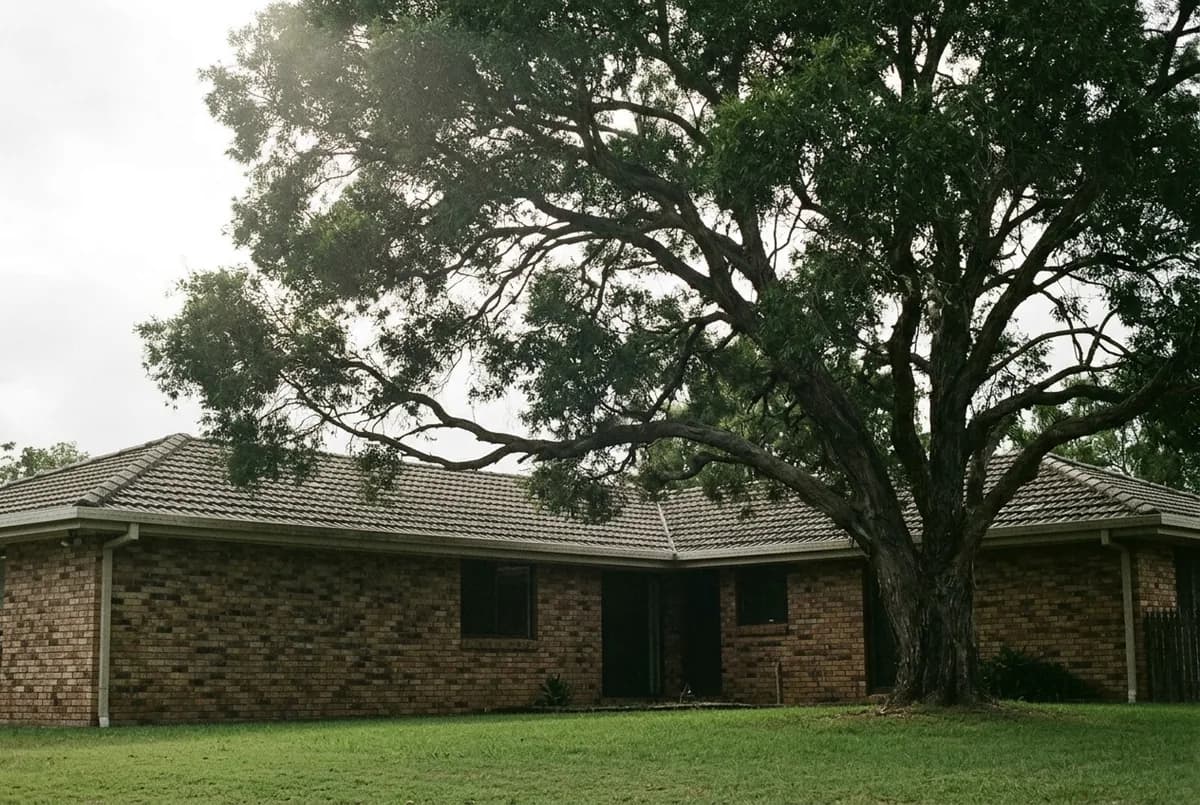
- A tree overhangs something that mattersA house, a play area, a driveway, a neighbour.
How the assessment runs
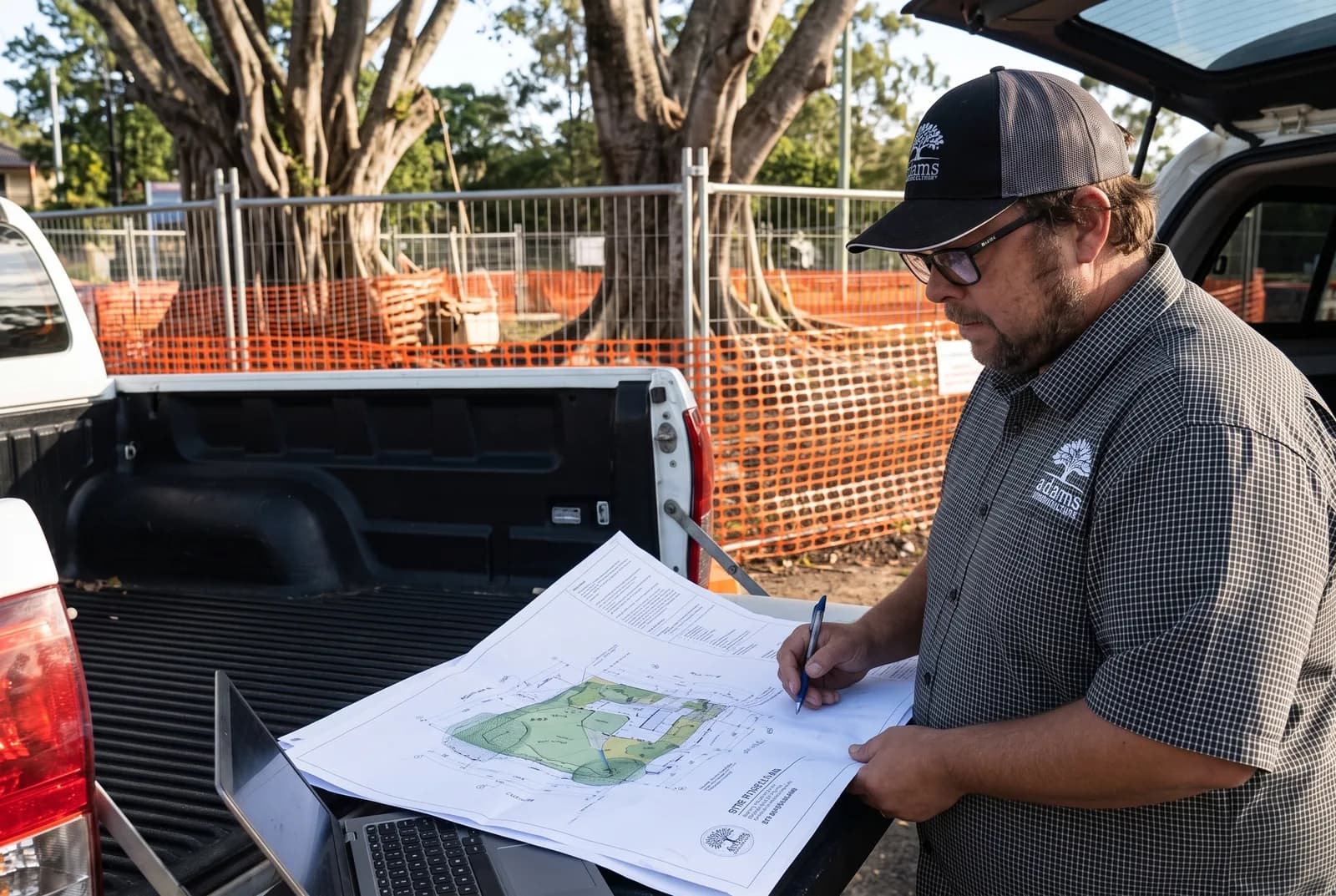
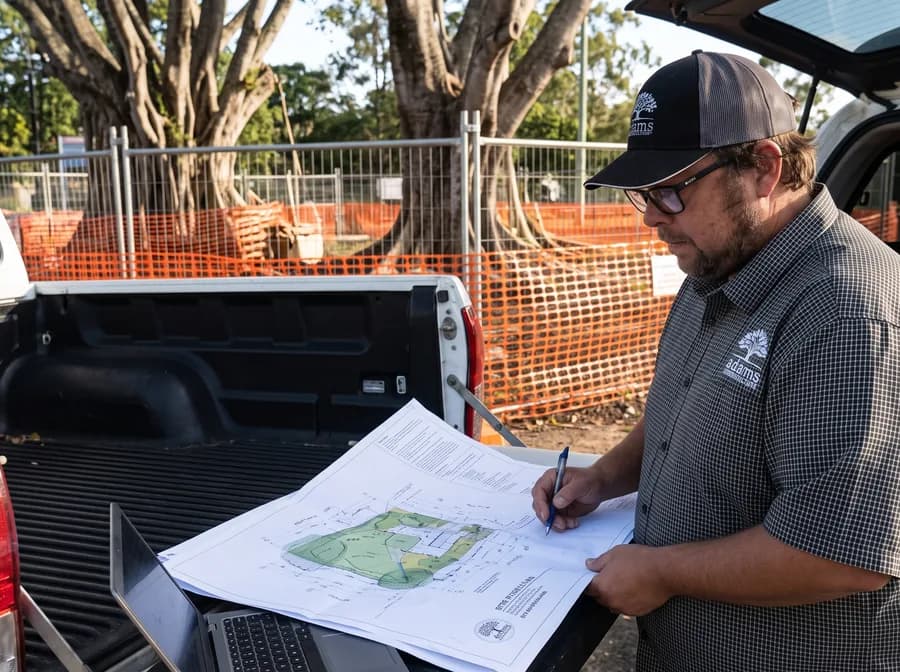
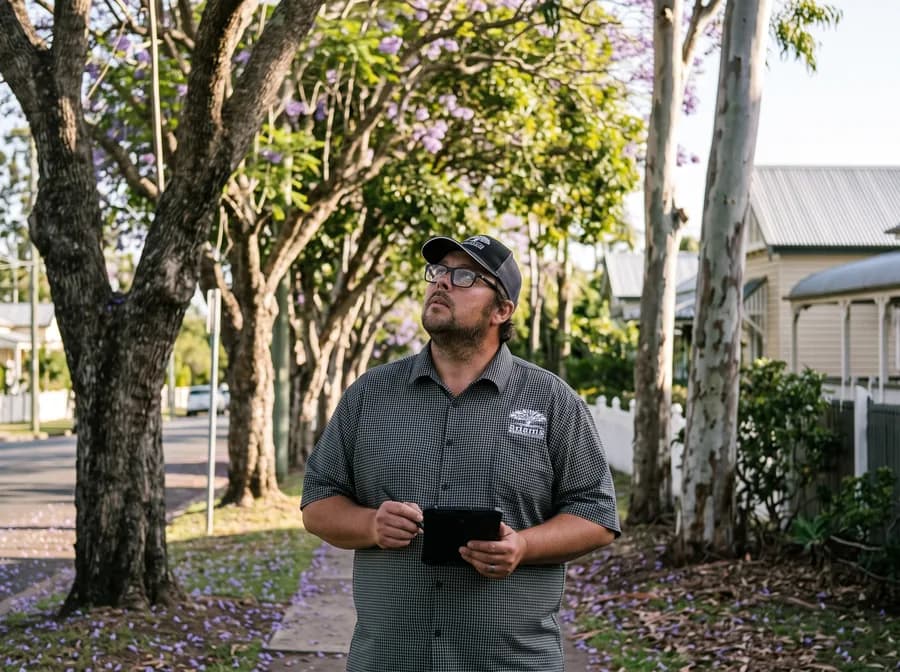
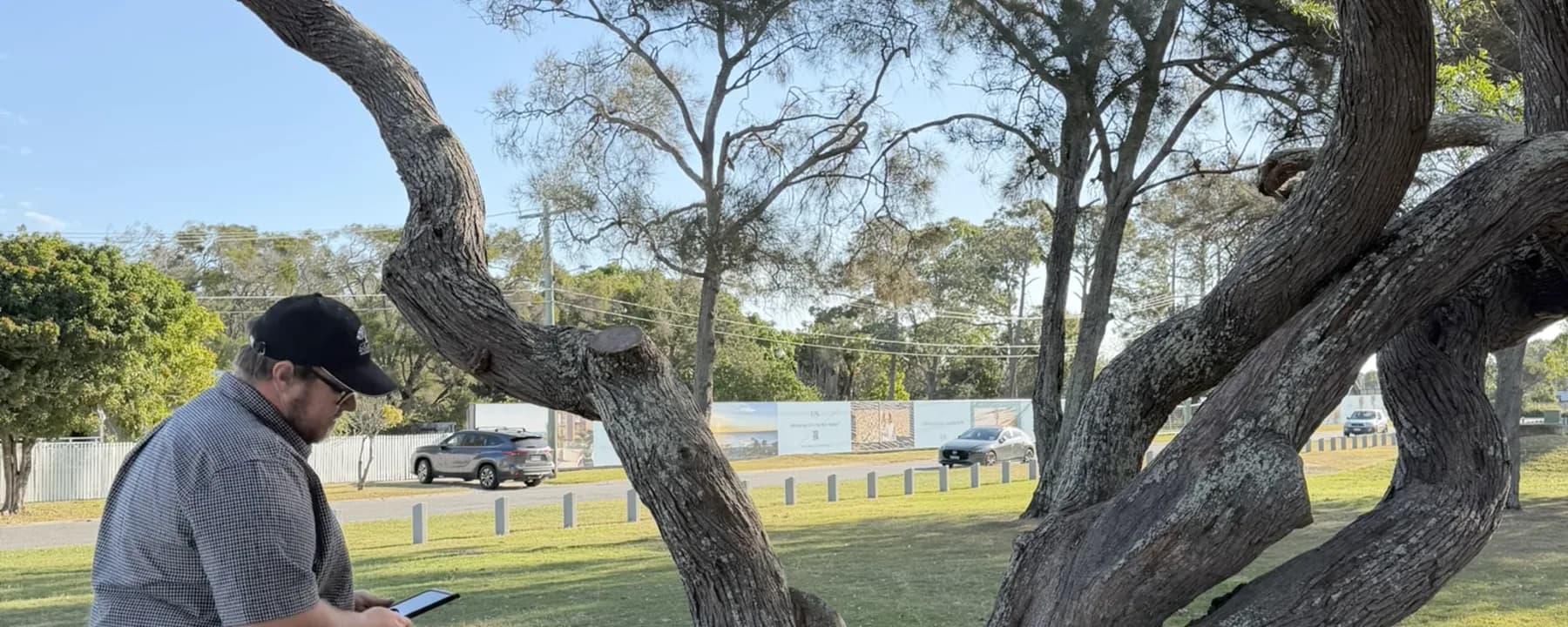
A ground-based visual inspection of the tree in its actual setting — condition, structure, unions, the root plate and buttress, and any defects. What is around it, who uses that space, and how often.
Where risk is the question rather than health, it is quantified using the Quantified Tree Risk Assessment method. That produces a considered figure rather than an adjective, which is what makes it usable by a council, an insurer, or anyone who has to defend a decision later.
Where something cannot be resolved from the ground, further investigation is recommended rather than guessed at.
What comes out of it
What was found, what it means, and what the options are — retention, management, monitoring at an interval, targeted works, or removal where that is genuinely what the assessment supports.
Written up where a document is needed and explained either way. Because Adam does not carry out removals or general tree work, retaining the tree and removing it are the same outcome to him financially, which is the point of asking an independent arborist rather than a contractor.
No assessment declares a tree safe. Trees are living structures in a changing environment, and any assessment is a point in time with a recommended review interval.