Development & construction · Brisbane and South East Queensland
From first sketch to final sign-off.
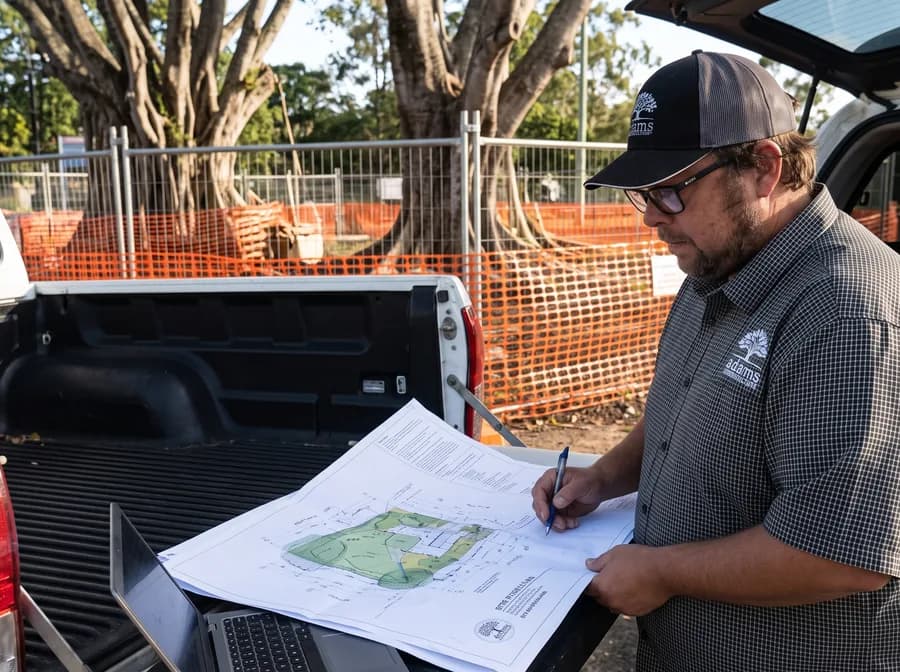
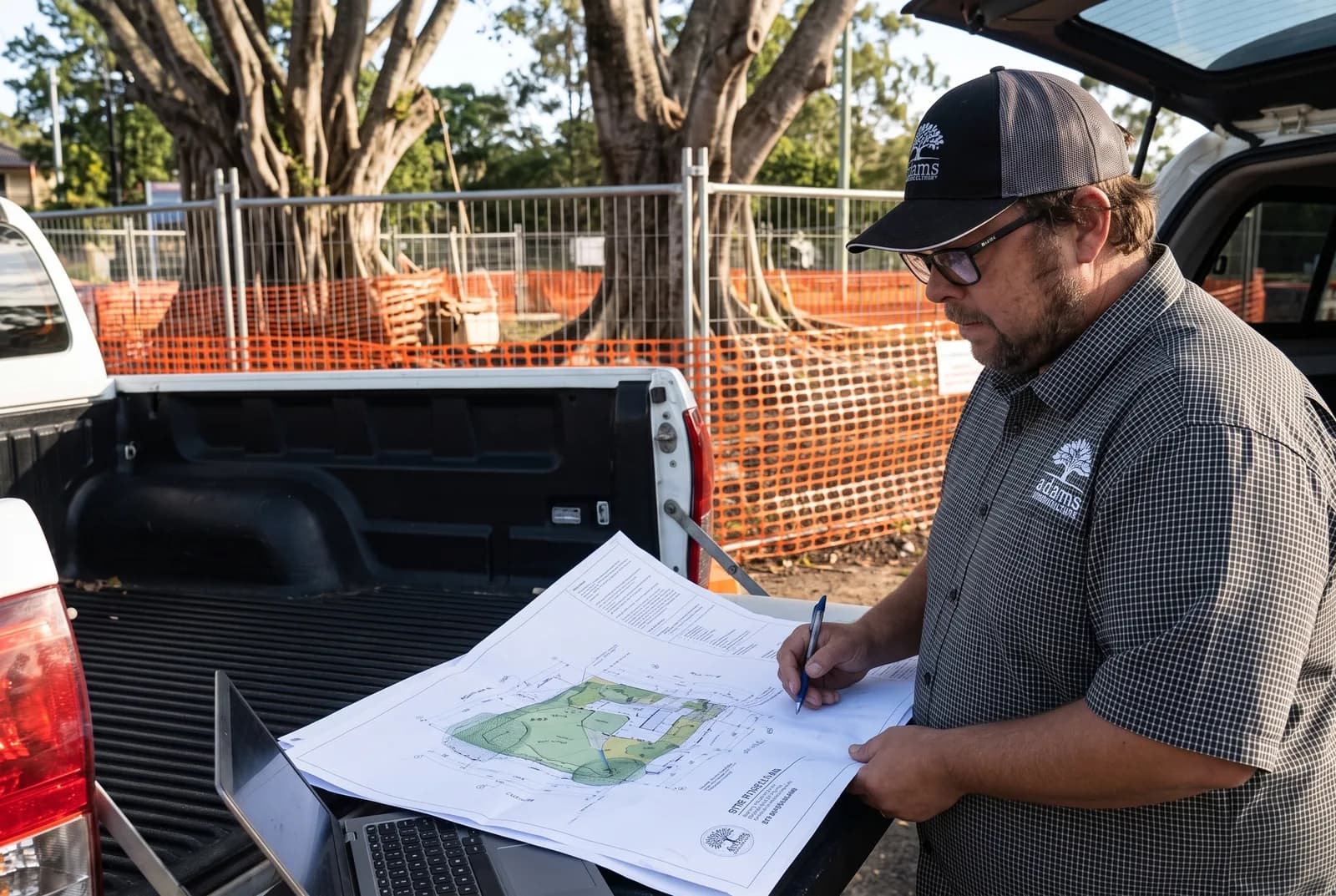
Adam works with developers, architects and builders from before a DA is lodged through to completion certification. One arborist across the whole project, with no stake in the tree work it recommends.
0415 105 592Call 0415 105 592or send the details across
Send the site address
Early is cheap. Send the address and the stage you are at, and Adam will tell you what the trees mean for the project.
What it covers
The trees are a constraint you can design around
Trees on a development site are rarely a yes-or-no question. They are a set of constraints — root zones, protection distances, construction methods — and constraints are much cheaper to work with while the layout can still move.
The cheapest time to find a tree constraint is before the plans are fixed. Once a design is locked, working around a retained tree means redesign, a changed approval pathway, or both. Adam is engaged early for exactly that reason, often verbally, well before any formal report is needed.
From there he stays on the project: the report the approval names, the protection documented for construction, supervision while works happen around retained trees, and the final inspection where a condition requires one.
- Preliminary Arboricultural Report (PAR)The design and planning stage document under AS 4970:2025, while the layout can still change.
- Arboricultural Impact Assessment (AIA)The impact of a proposed development on the trees. What most approvals name.
- Tree Protection Plan (TPP)The protection measures, drawn for the site and the works proposed.
- Tree Protection Specifications (TPS)How that protection is built, maintained and inspected through construction.
- Tree Management Plan (TMP)How identified trees are to be managed over time.
- Completion Report or Declaration of ComplianceAfter approved works, where a permit or condition requires an arborist to certify them.
How Adam is engaged
Four points a project usually needs an arborist
Not every project needs all four. Knowing which one you are at is usually a five-minute conversation.
- 01
Before the design is locked
A site walk and a conversation while the layout can still move. Which trees are constraints, which are opportunities, what council is likely to require, and how retained trees might be incorporated. Often verbal, and often the most valuable step in the project.
- 02
The report the approval names
A Preliminary Arboricultural Report at design stage, or an Arboricultural Impact Assessment where the impact of the proposal on the trees has to be addressed. They are separate documents under AS 4970:2025 and are not interchangeable — the one you get is the one the condition, permit or certifier named.
- 03
Protection documented for construction
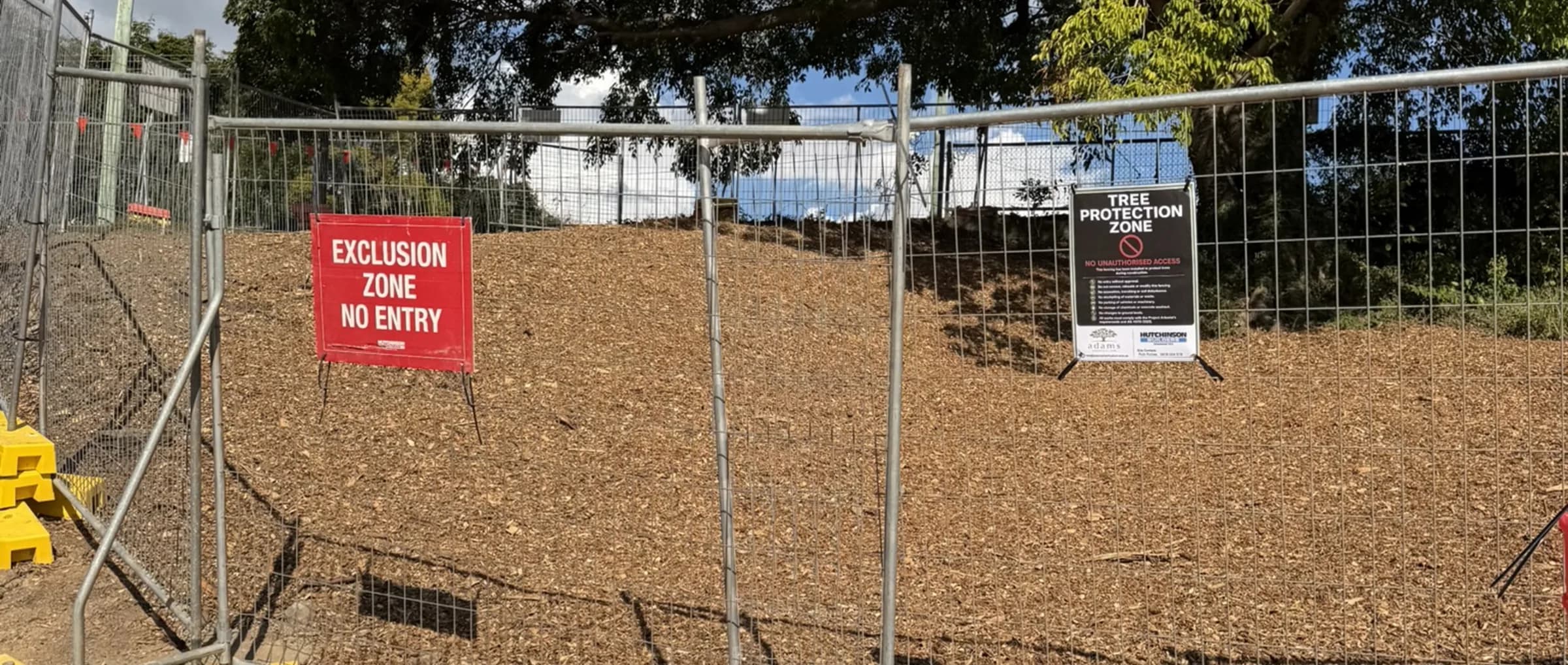
Tree Protection Plans and Tree Protection Specifications: what is fenced, how far out, what may happen inside the zone and what may not. Written so a site supervisor can act on it, not so it reads well in a folder.
- 04
On site through the works
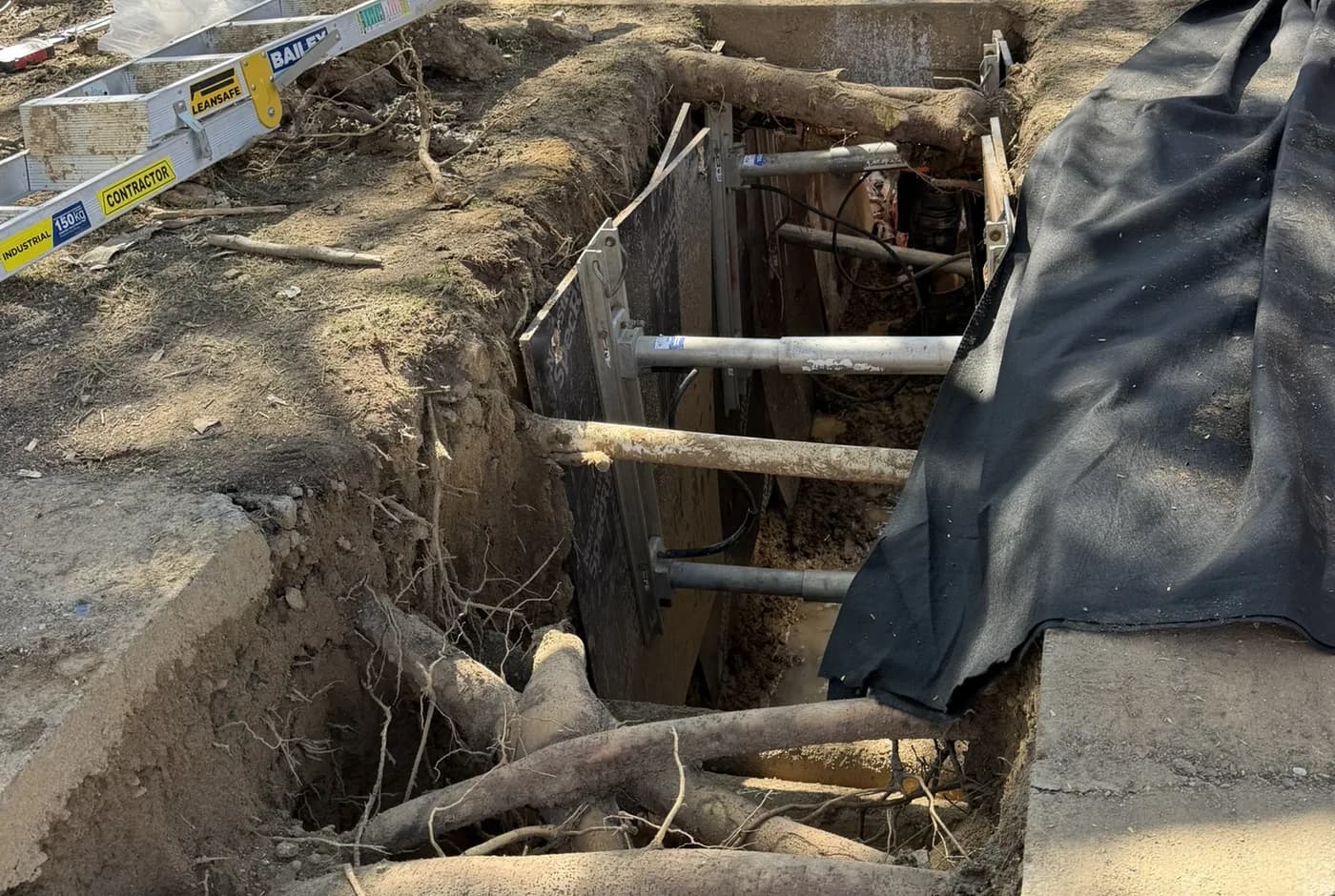
As project arborist Adam reviews works around retained trees, supervises inside tree protection areas, attends root investigations and vac-ex, and liaises with the builder, the other consultants and council. Root pruning and plant healthcare treatments are carried out where the role requires them.
Where you are up to
Find the stage your project is at
Twelve pages under this one, grouped by when they matter. Each is written for a specific point in a development.
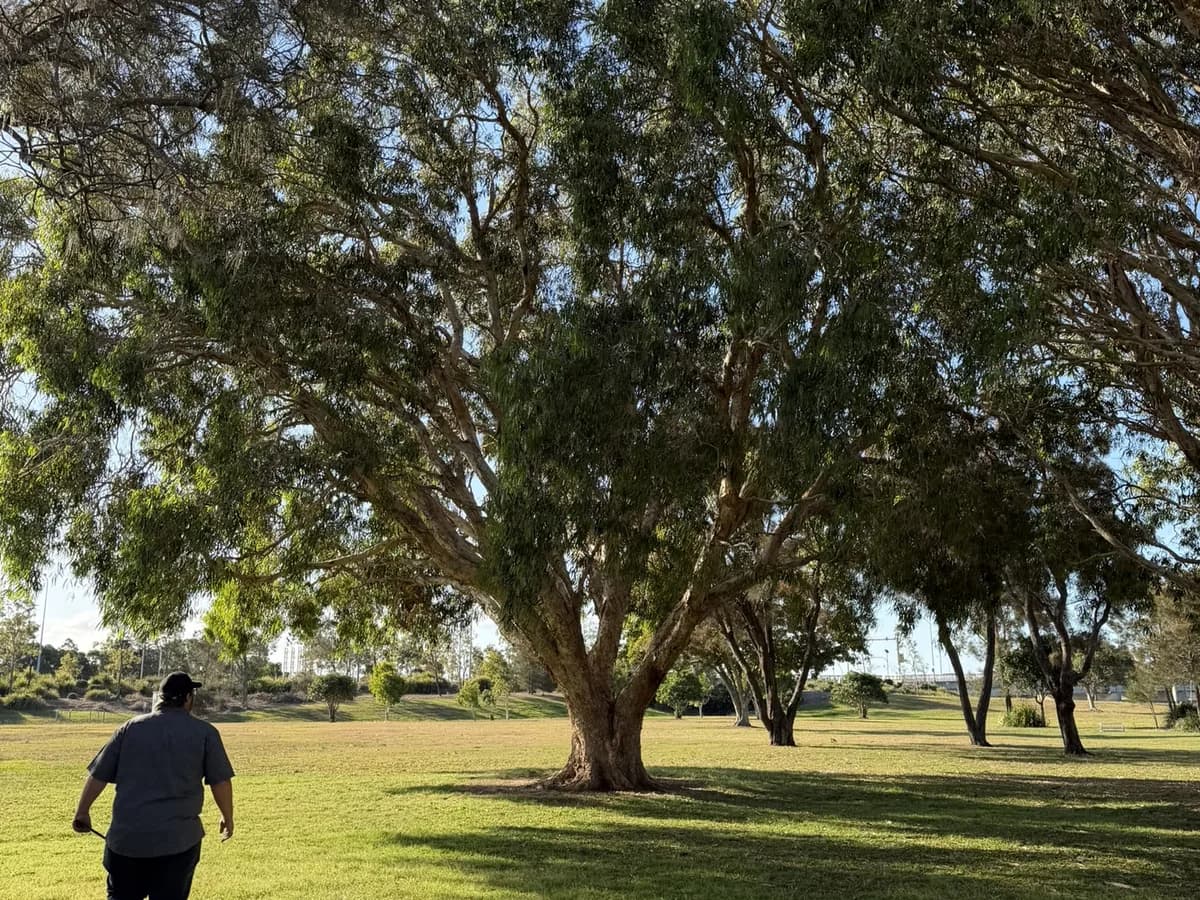
Design and approval
Before the layout is fixed and while the application is being prepared.
- Pre-DA & early design adviceConstraints and opportunities while the plans can still change.
- Preliminary Arboricultural ReportThe AS 4970:2025 design-stage document.
- Arboricultural Impact AssessmentThe impact of the proposal on the trees.
- AS 4970:2025 — what it requiresThe current Standard, and what changed from 2009.
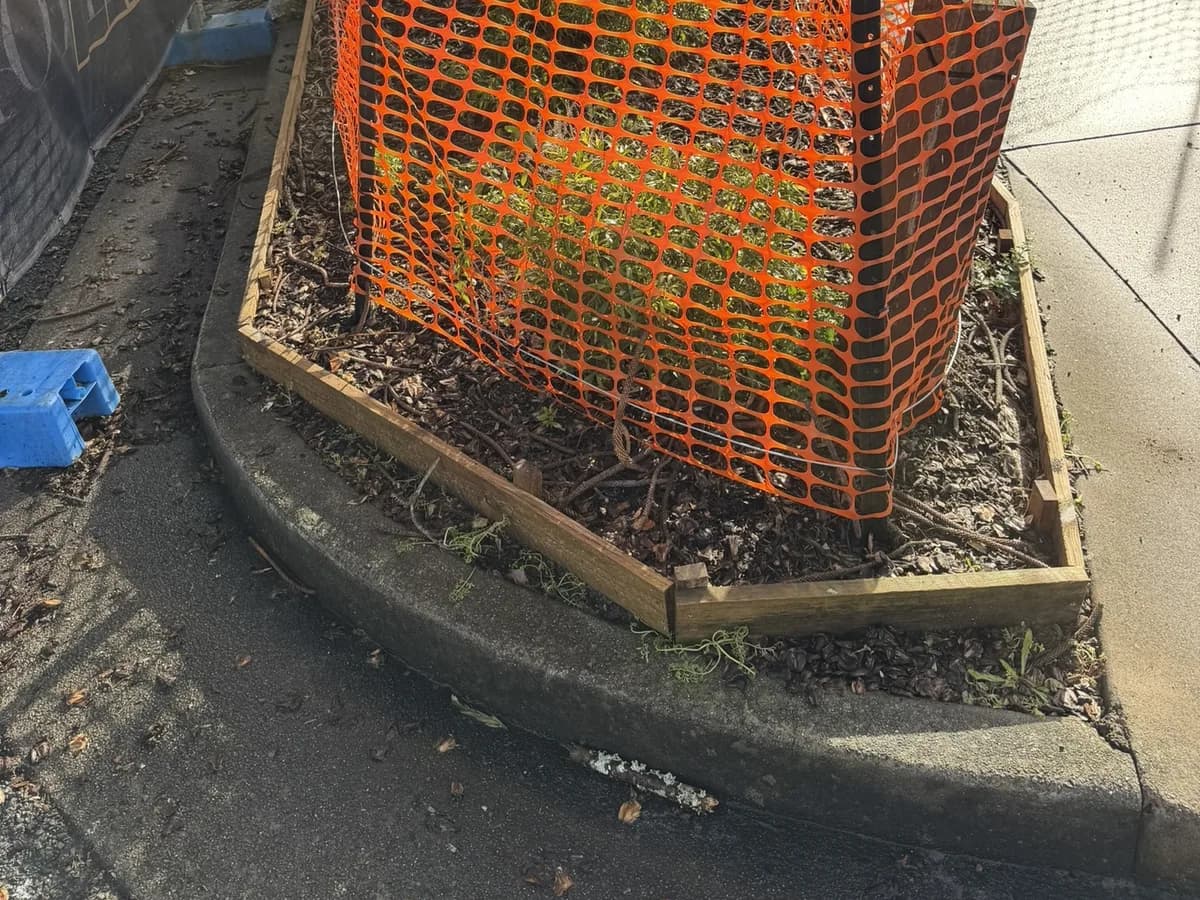
Protection and construction
Once works are approved and machinery is about to arrive.
- Tree protection plans & specificationsWhat is fenced, how, and for how long.
- Tree Protection ZonesHow the zone is set and who determines it.
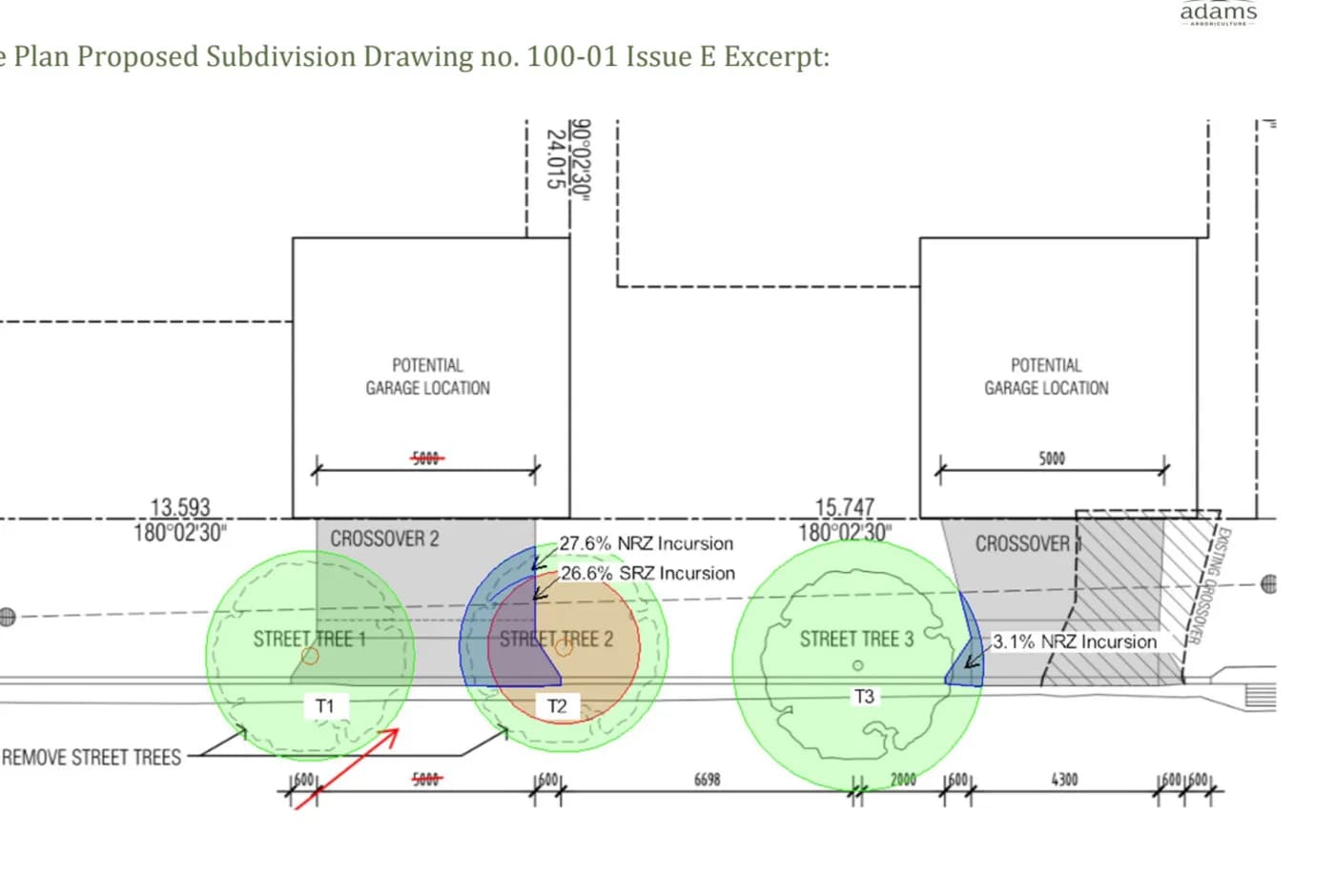
- Structural & notional root zonesSRZ and NRZ, and where encroachment sits.
- Project arborist servicesThe named arborist across the construction phase.
- Arborist supervisionAttendance while works happen inside a protection area.
- Root investigations & root pruningVac-ex, what is found, and what may be cut.
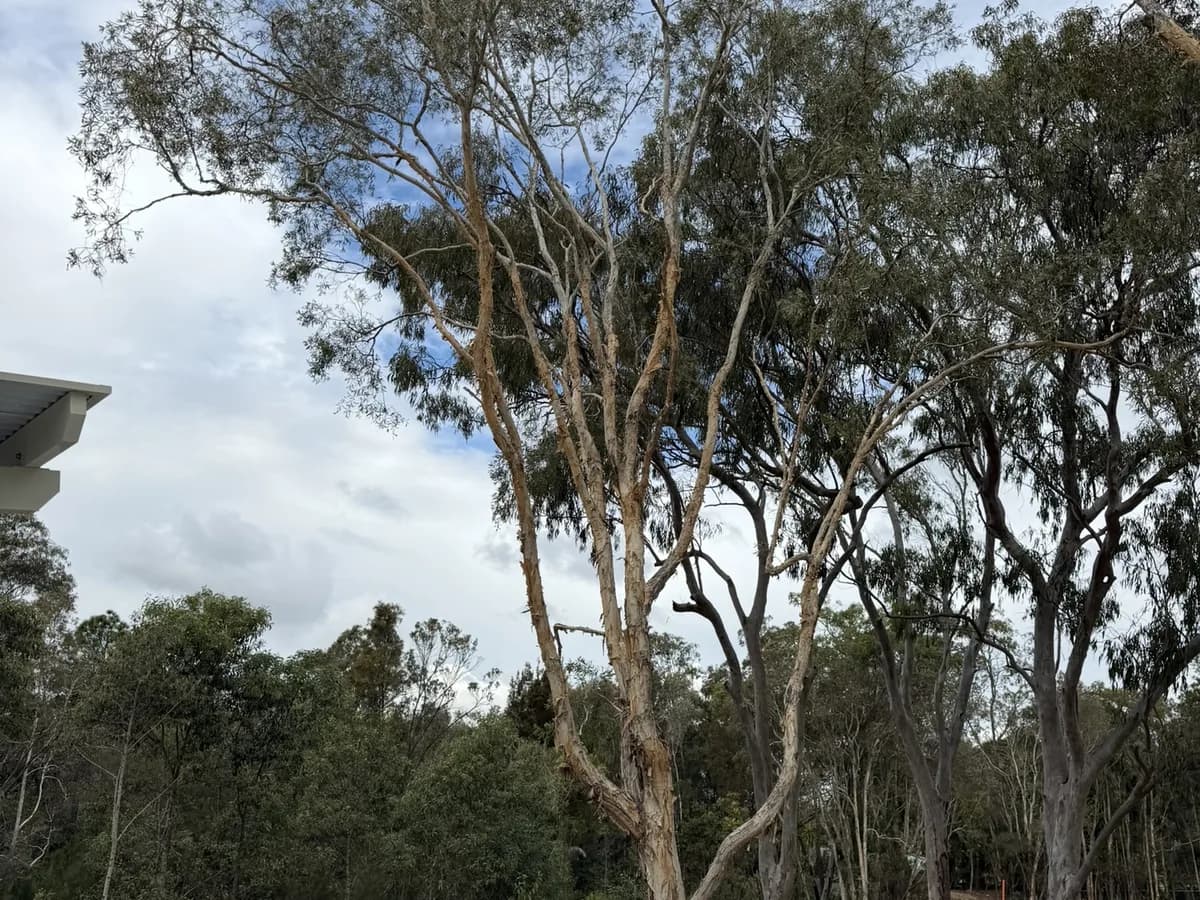
Completion and beyond
Closing out the condition, and keeping the retained trees alive afterwards.
Common questions
From developers, architects and builders
Before the design is finalised, wherever possible. Trees identified early become part of the layout. Trees identified after the plans are locked become a constraint, and resolving one can mean redesign, delay or a changed approval pathway. Adam can be engaged for verbal advice at concept stage, well before any formal report is required.
It sets out the process for retaining, protecting and integrating trees through development. That includes preliminary tree assessment, a Preliminary Arboricultural Report at design stage, development design review, an Arboricultural Impact Assessment, Tree Protection Specifications and a Tree Protection Plan, the Notional Root Zone, Tree Protection Zone and Structural Root Zone, encroachment classification, protection measures, and monitoring and certification. Which of those your project needs depends on the site and the approval.
Sometimes, and it depends on the tree, the site and what is proposed. AS 4970:2025 classifies encroachment into the Notional Root Zone as minor, moderate or major, and the response differs at each level. It is a question for the project arborist against the actual tree and the actual works, not something that can be settled from a plan alone or from a calculator.
Acts as the named arborist through construction: reviewing works around retained trees, supervising work inside tree protection areas, attending root investigations and vac-ex, carrying out root pruning where it is appropriate, inspecting protection measures, and liaising with the builder, the other consultants and council. Where a condition requires a completion inspection, the same arborist closes it out.
All three, and often on the same project at different stages. Architects and designers usually want the constraints before the layout is set. Developers want to know what the approval pathway looks like. Builders want to know what they can and cannot do inside the fence. The advice does not change depending on who engaged him.
Send the wording through. Council conditions, permits and certifier requests name specific documents — a Preliminary Arboricultural Report, an Arboricultural Impact Assessment, a Tree Management Plan, a Declaration of Compliance — and they are not interchangeable. Reading what was actually asked for is the first job, and it is often the difference between one report and two.
Contact
Send Adam the address and he will take it from there
For many protected vegetation questions, the property address is enough to start checking. Call, or send the details below.