One word, two jobs
An arborist is someone qualified in arboriculture — the care and management of individual trees. In practice the profession splits into two broad roles that require different training and answer different questions.
One climbs, prunes, removes and maintains. It is skilled, physically demanding and genuinely dangerous work, and a good climbing arborist is worth a great deal. The other assesses, diagnoses and reports: what condition is this tree in, what risk does it present, what does this development do to it, what does the council need.
Both are arborists. Neither is a lesser version of the other. But if you need a report for a council and you call someone who climbs, or you need a limb taken off and you call a consultant, you have called the wrong one.
What the AQF levels refer to
Australian arboricultural qualifications sit on the Australian Qualifications Framework, which grades formal qualifications by level. Broadly, the lower levels are concerned with carrying out tree work competently and safely, and the higher ones with assessment, diagnosis and reporting.
AQF Level 5 is the consulting-level qualification, and it is the one council conditions, planning schemes and development approvals name when they want an assessment they can rely on. That is why the phrase turns up in conditions so often — it is specifying the level of qualification behind the document.
"AQF Level 5 arborist report" is not a type of report. It is a requirement about who prepares it, which then applies to whatever document the approval actually names.
What a consulting arborist actually does
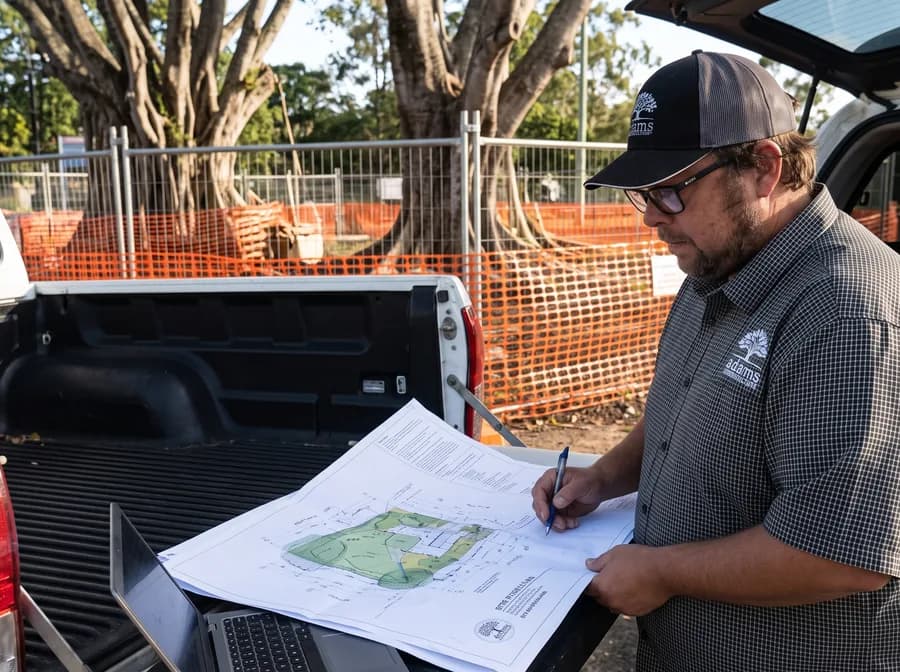
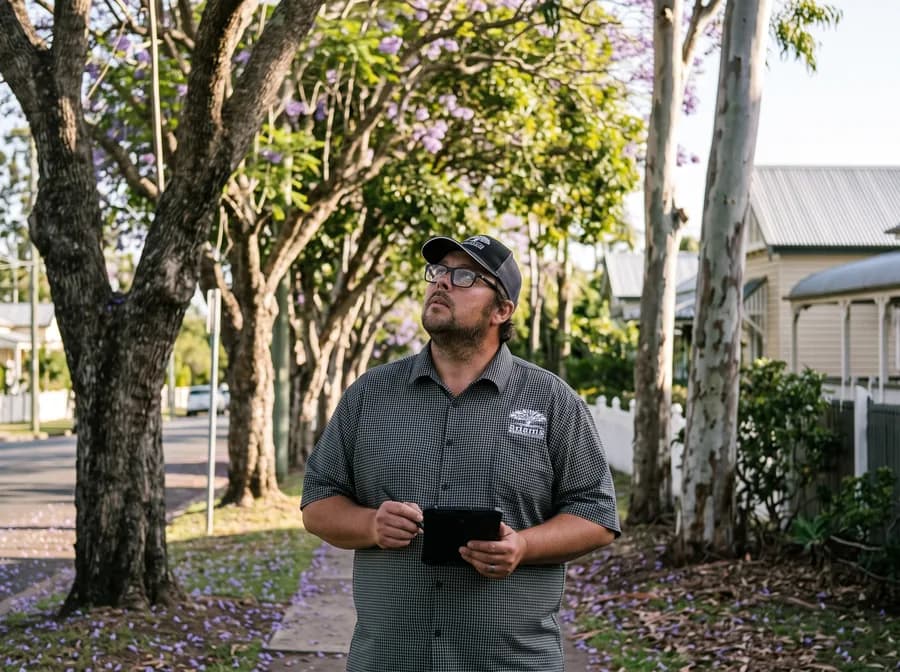
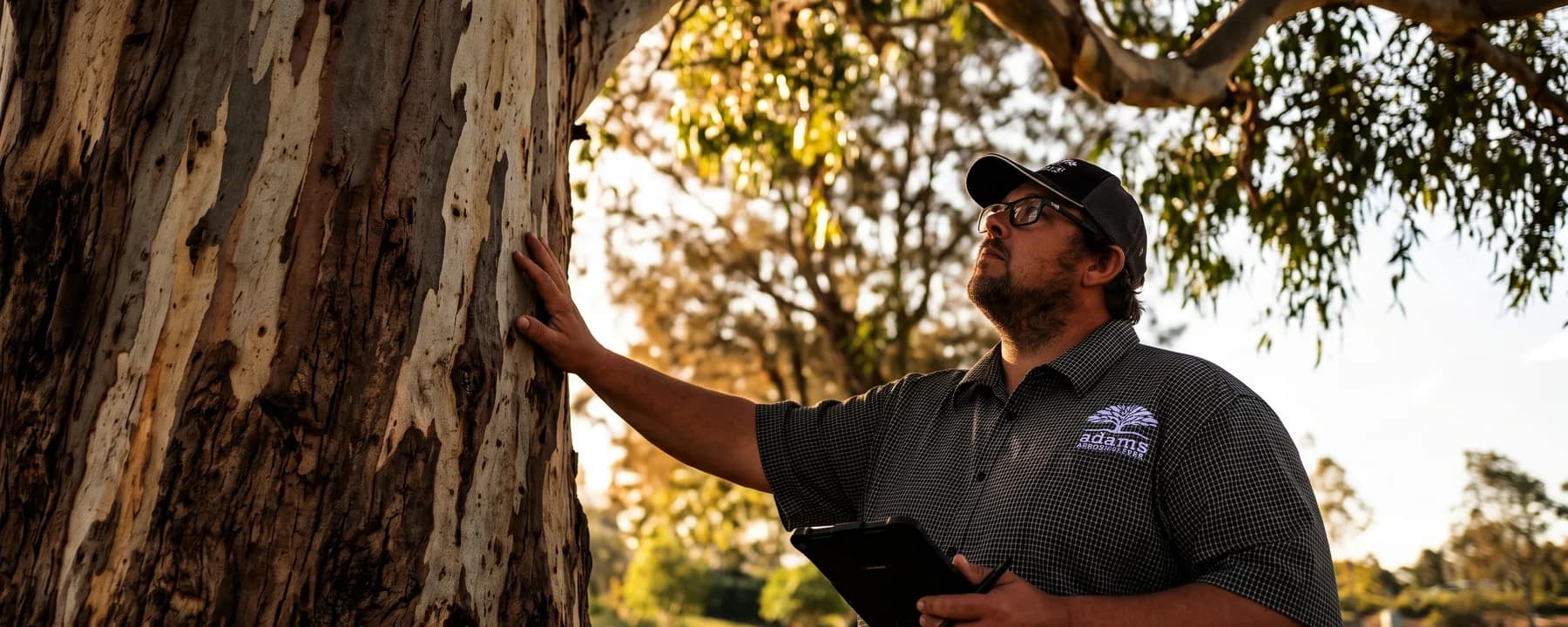
Looks at trees and works out what is true about them, then writes it down in a form somebody can act on.
- Condition and health assessmentWhat state a tree is in and whether something is acting on it.
- Structural assessmentHow the tree is holding itself up, and what its defects mean.
- Risk assessmentWhat could fail, how likely that is, and what is underneath.
- Development arboricultureWhat a proposed development does to trees, and how retention is achieved.
- Council and protected vegetation workWhether vegetation is protected and what an approval requires.
- Reporting and certificationThe documents councils, certifiers and insurers actually read.
Which one does your situation need?
If the question is "should something be done to this tree", or if a council, certifier, insurer or approval is involved, you want a consulting arborist. The output is an assessment and usually a document.
If the decision is already made and the work needs carrying out — a limb removed, a tree taken down, ongoing pruning — you want a tree contractor. The output is the work.
The order matters when both are involved. An assessment before quotes gives you a defined scope, so you are comparing contractor quotes for the same job rather than taking each account of what is necessary on trust.
Why the background matters
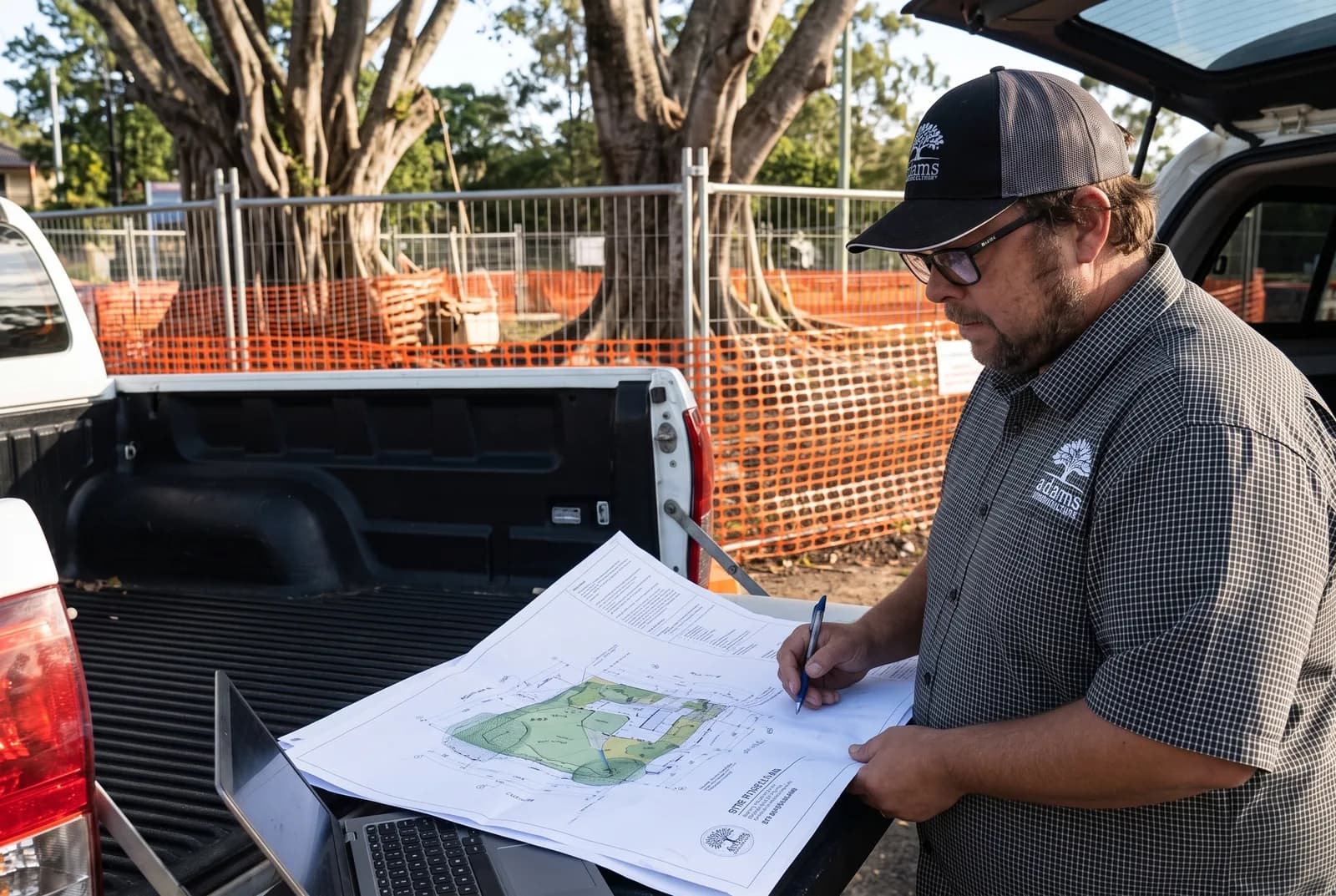
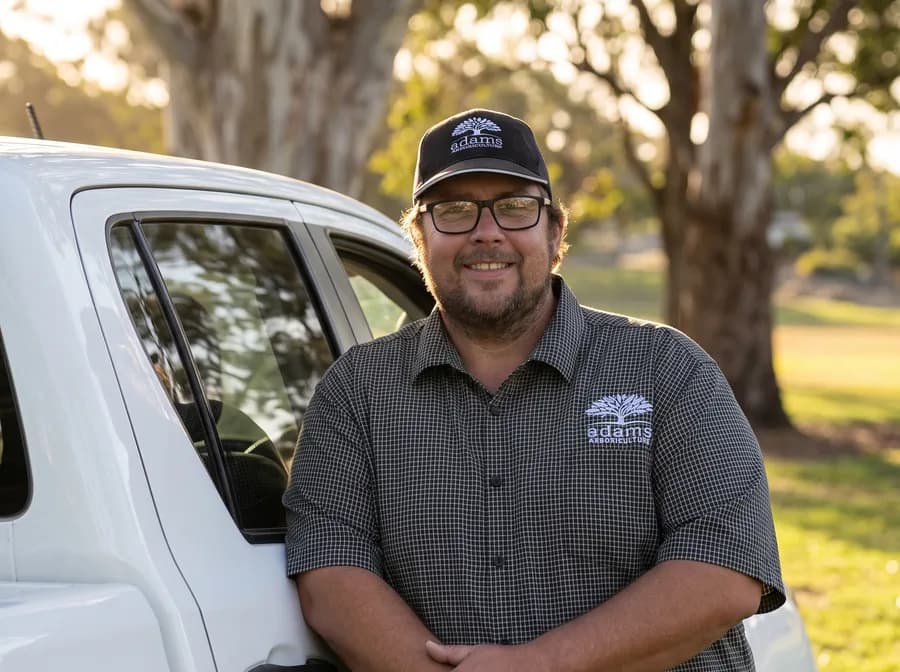
Adam holds AQF Level 5 and works entirely on the consulting side — Adams Arboriculture does not carry out removals, lopping or general pruning contracting.
His earlier career was on the other side of it though: climbing, pruning, removals, and running crews, across roughly twenty years in arboriculture. That matters in one practical way. Recommendations written by someone who has done the physical work tend to be ones a site can actually implement, rather than ones that read well and get quietly ignored in week two.