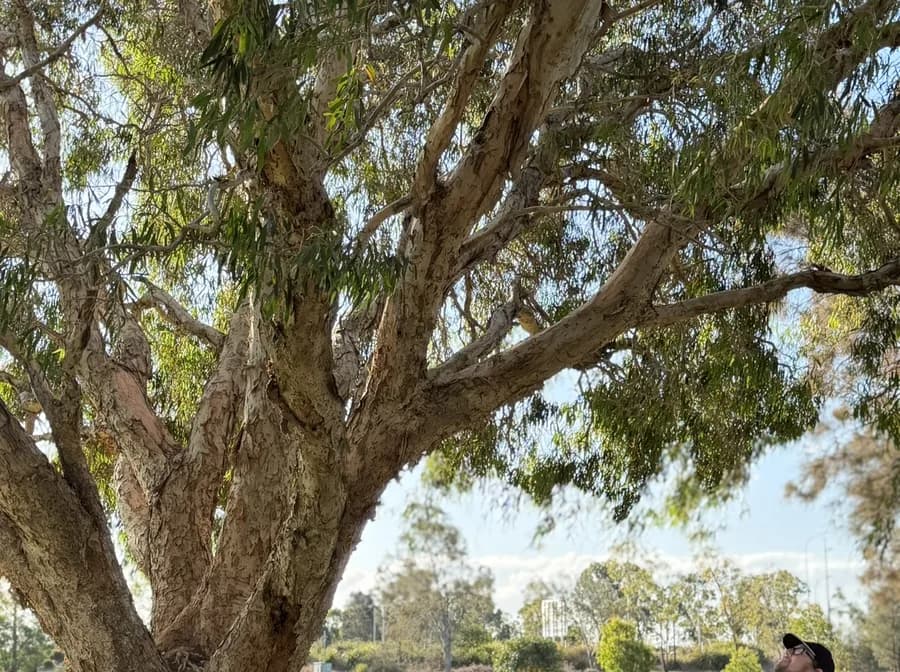


Diameter at standard height, for the root zone
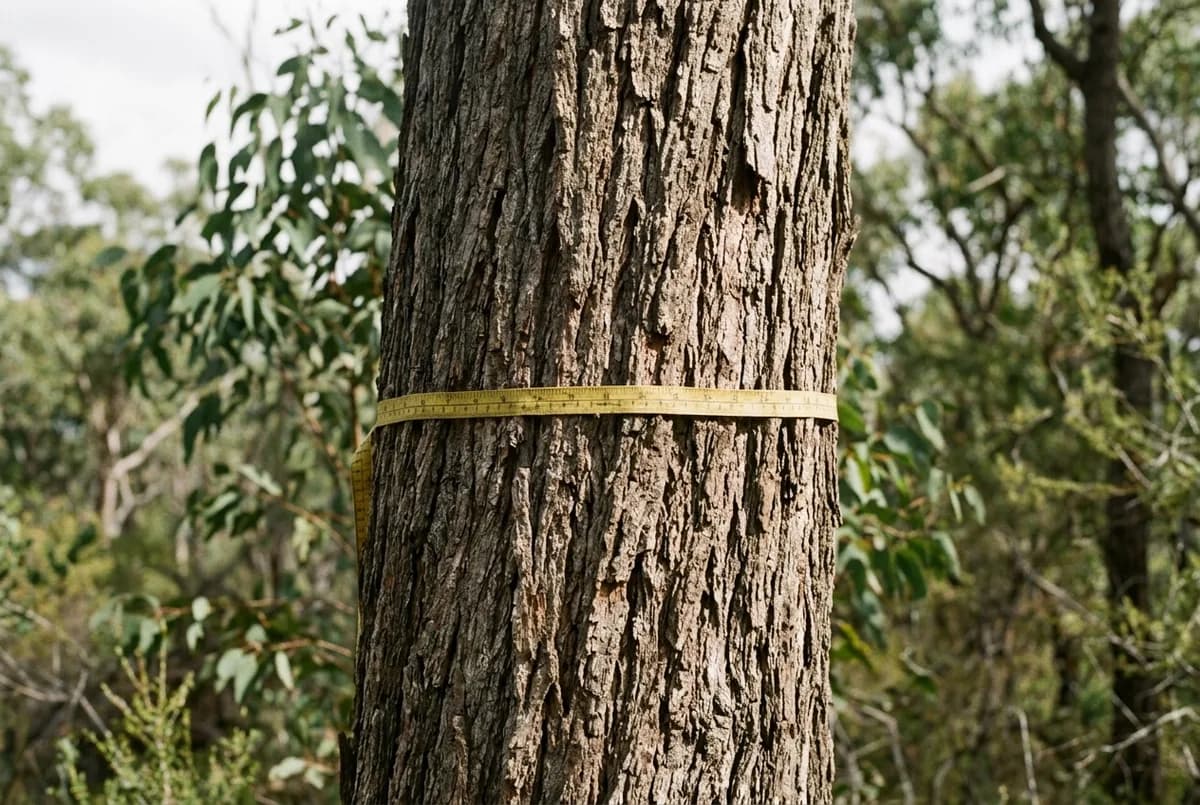
The Notional Root Zone calculation starts from the trunk diameter measured at 1.4 metres above ground level. That is diameter at standard height, usually abbreviated DSH.
The 1.4 metre figure is a convention rather than a biological threshold. Its value is that everyone uses it, so two arborists measuring the same tree arrive at the same number and any zone derived from it is comparable and checkable.
Measure the diameter, not the circumference — or measure the circumference and divide by pi, which is what a diameter tape does for you. Take it on site rather than estimating from a photograph or scaling off a survey plan.
When the trunk is not cooperative
Real trees are rarely a clean cylinder at exactly 1.4 metres. A few common situations, and what they mean.
- Sloping groundGround level is taken on the upslope side, and the height measured from there.
- A swelling, wound or burl at 1.4 mThe measurement is taken where the trunk is representative rather than through the anomaly, and the departure is recorded.
- A trunk that forks below 1.4 mThis is a multi-stem situation, and it is not resolved by picking one stem.
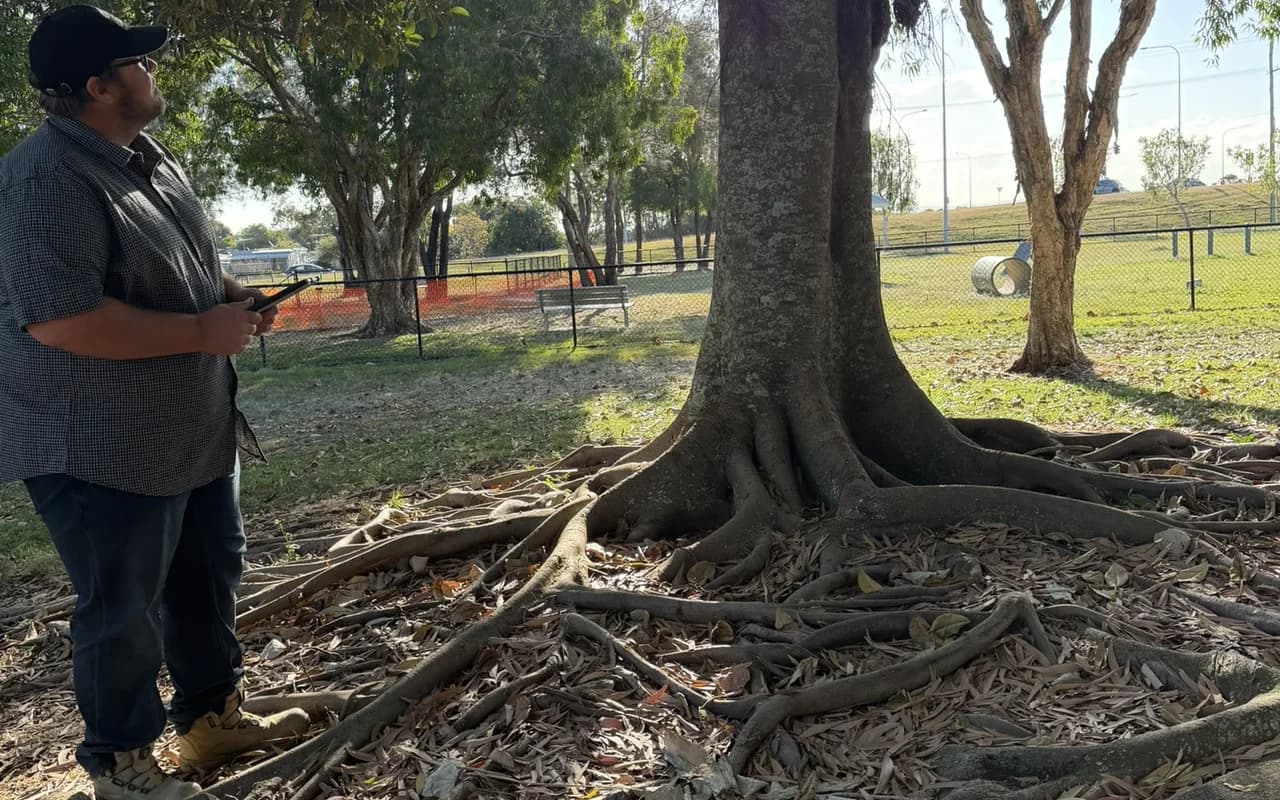
- Buttressing extending above 1.4 mThe DSH measurement is still at 1.4 m, and the SRZ measurement is taken above the flare — which may be considerably higher.
- Leaning trunksMeasured perpendicular to the trunk axis, not horizontally.
Where the trunk is genuinely ambiguous, that is a note in the assessment rather than a number chosen quietly. A recorded departure is defensible; a silent one is not.
The second measurement most people miss
The Structural Root Zone uses a different measurement entirely: the trunk diameter immediately above the root buttress flare, where the trunk stops widening into the roots.
On a mature tree with pronounced buttressing that point can sit well above ground level, and the diameter there is substantially larger than the diameter at 1.4 metres. Feeding a DSH figure into an SRZ calculation, or the reverse, produces a zone that is wrong in the wrong direction — and looks entirely plausible.
The two are separate because they answer separate questions. The Notional Root Zone approximates the soil the tree depends on. The Structural Root Zone approximates the roots holding it up.
What the numbers then do
The Notional Root Zone radius is the DSH in metres multiplied by twelve, floored at 2 metres and capped at 15. Its area is the circle that radius describes, and that area is what any encroachment is measured against.
The Structural Root Zone radius is that above-flare diameter multiplied by fifty, raised to the power of 0.42, multiplied by 0.64, with a minimum of 1.5 metres.
Neither of those is the Tree Protection Zone. The final TPZ is determined by the project arborist after considering the tree, the site and the proposed works — the calculated figure is where that judgement starts, not where it ends.
A calculated zone is not an approval, a compliance check or a safety verdict. It is a number that informs an assessment.
Where the calculation does not apply at all
Palms and multi-stemmed trees. The standard single-stem calculation does not hold for them, and there is no confirmed substitute — averaging stem diameters or summing them are both inventions, and neither is supported.
Those need an assessment rather than a formula. So do trees where the root zone has already been encroached, since ground that has been cut into before does not carry the same tolerance as ground that has not.