The difference is structural, not moral
This is not an argument that tree contractors write bad reports. Many are qualified, careful and entirely straight, and the physical work they do is skilled and genuinely dangerous.
It is an observation about how the two arrangements are built. When the business assessing a tree is also the business that would carry out the works, the recommendation and the revenue are connected. When it is not, they are not.
That connection does not determine any individual outcome. What it does is create a structure worth understanding before you rely on the document — and one an assessing officer, an insurer or a court can see as readily as you can.
A conflict of interest is a feature of an arrangement, not an accusation about a person. It exists whether or not anyone acts on it.
Where the difference actually shows up
In a handful of specific places, all of them about what happens when the honest answer is "less work than you expected".
- When retention is viableRetaining a tree is a neutral outcome to an independent arborist. It is not financially neutral to a business quoting on its removal.
- When the scope could be smallerWhether a targeted limb removal would do instead of a crown reduction, or monitoring instead of intervention.
- When nothing needs doingThe cheapest possible finding, and the one hardest to arrive at if it ends the engagement.
- When the report type mattersYou get the document the approval named, rather than whatever that provider produces.
- When the assessment is contestedA report from a party with no financial interest is simply harder to argue with.
The practical version: getting a scope first
Set the principle aside and there is a straightforwardly practical reason to have an independent assessment before quotes.
Without one, each contractor tells you what they think is necessary, and you are comparing three different jobs at three different prices with no way to tell which is the right job. With a defined scope in hand, you are comparing three quotes for the same work — which is the only comparison that means anything.
That is a confirmed use of this service: an independent scope, obtained before contractor quotes.
Questions worth asking either way
These are useful regardless of who you engage, including this business.
- What is your arboricultural qualification, and at what level?Ask for the level, not a general assurance.
- Would you or your business carry out the works you recommend?A straight question with a straight answer either way.
- Does your fee change depending on what you conclude?The question the whole distinction rests on.
- What document has been asked for, and will you provide that one?Report types are not interchangeable.
- What happens if the assessment finds nothing needs doing?Worth knowing before, not after.
When a contractor is exactly who you want
When the decision has already been made and the work needs carrying out. When there is an immediate hazard requiring action now rather than a report next week. When the job is maintenance that does not turn on a judgement call.
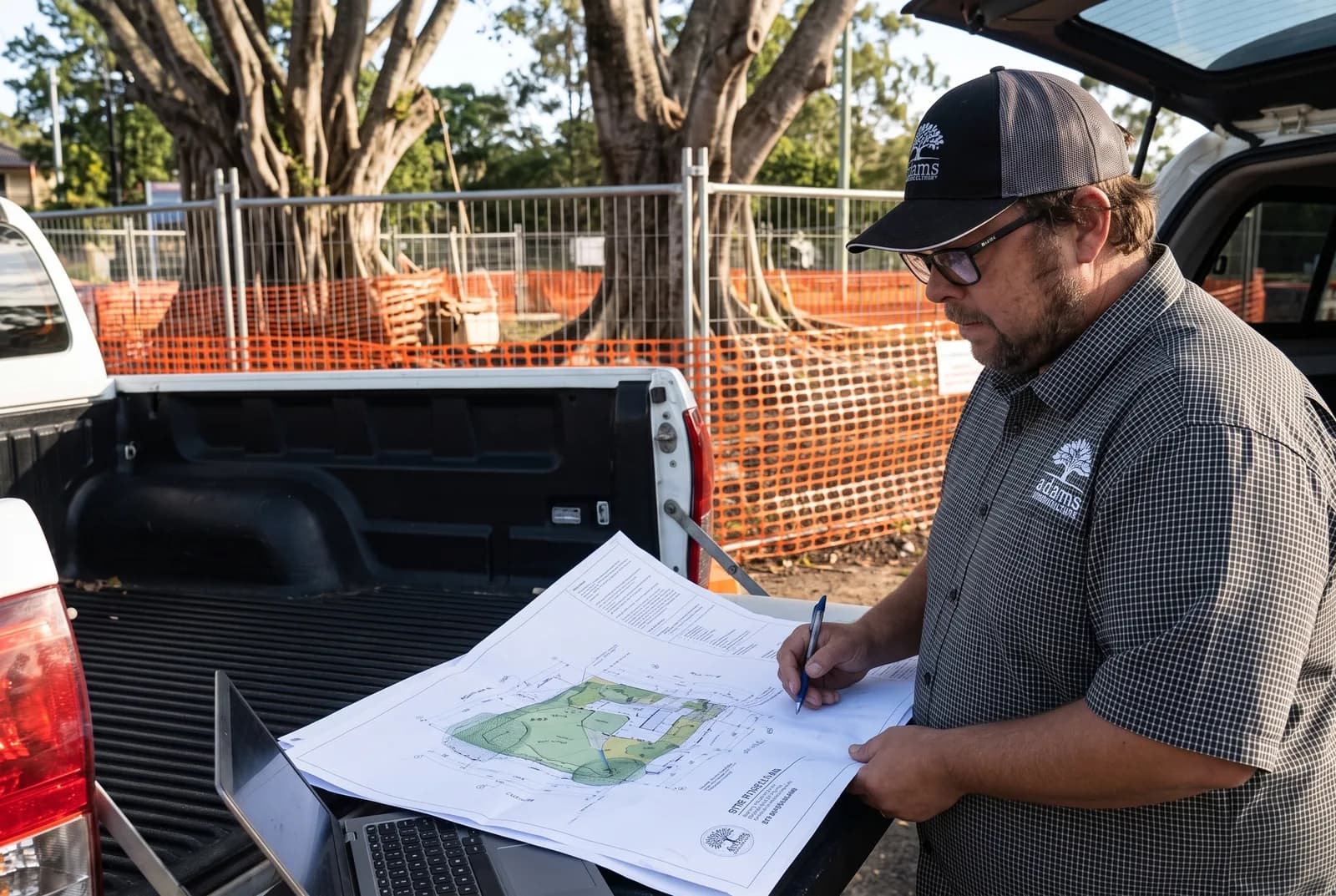
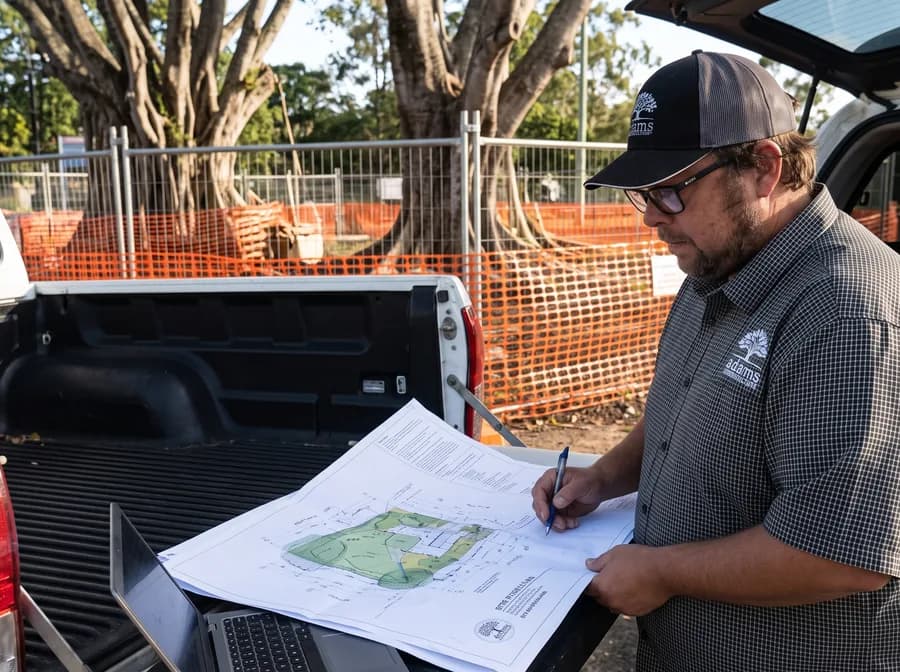
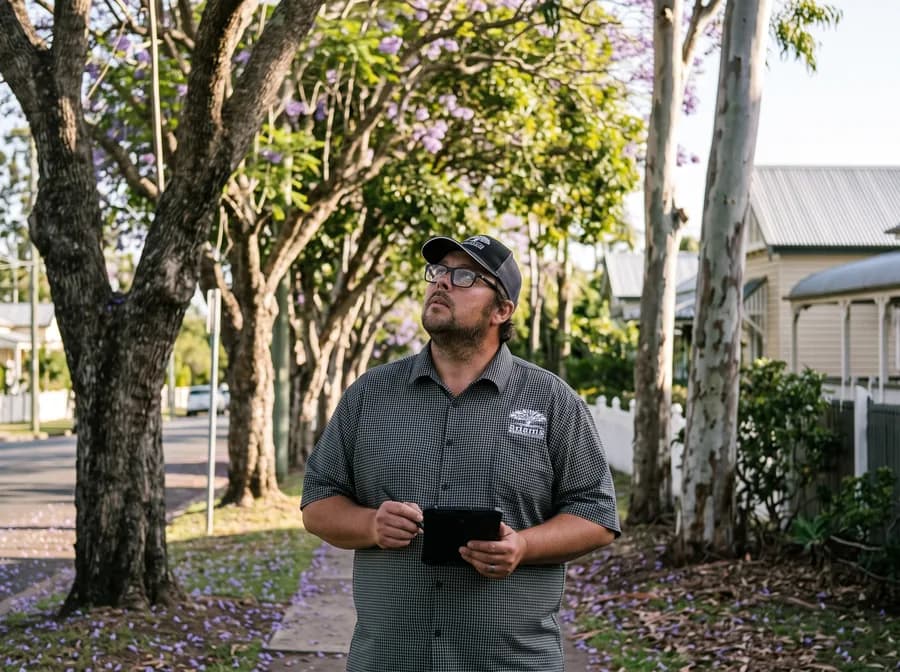
Adams Arboriculture does not carry out removals, lopping or general pruning — so where works are required, a contractor is engaged separately, and Adam has no financial interest in the size of that scope.