The problem QTRA solves
Say a tree presents "moderate risk" and ask three people what that means. One hears "keep an eye on it", one hears "act this year", one hears "it should come out". Nothing in the word settles which.
That vagueness has consequences when a decision has to be justified — to a council, an insurer, a body corporate, or anyone asking why a tree was retained or removed. An adjective is not a basis; it is an opinion with a confident tone.
Quantification replaces the adjective with a considered figure derived from the actual inputs, arrived at the same way each time, by anyone applying the method.
What the method weighs
Three things, combined rather than considered separately.
- The targetWhat is beneath the tree, and how much of the time. A busy footpath and a rarely used corner are not the same target.
- The size of the part that could failA twig, a limb, or the whole tree. Consequence scales with mass.
- The likelihood of failureWhat the tree's condition, structure and defects actually indicate.
Adams Arboriculture does not reproduce QTRA's tables or thresholds on this website. They belong to the licensed system.
Why it holds up better
Because the reasoning is visible. A quantified output shows what was weighed and how, so someone who disagrees can point at which input they read differently rather than trading impressions.
It also survives the passage of time. A figure recorded against stated inputs can be revisited in two years and compared — the same tree assessed again either produces a similar figure or a changed one, and the change is the information.
Who can apply it
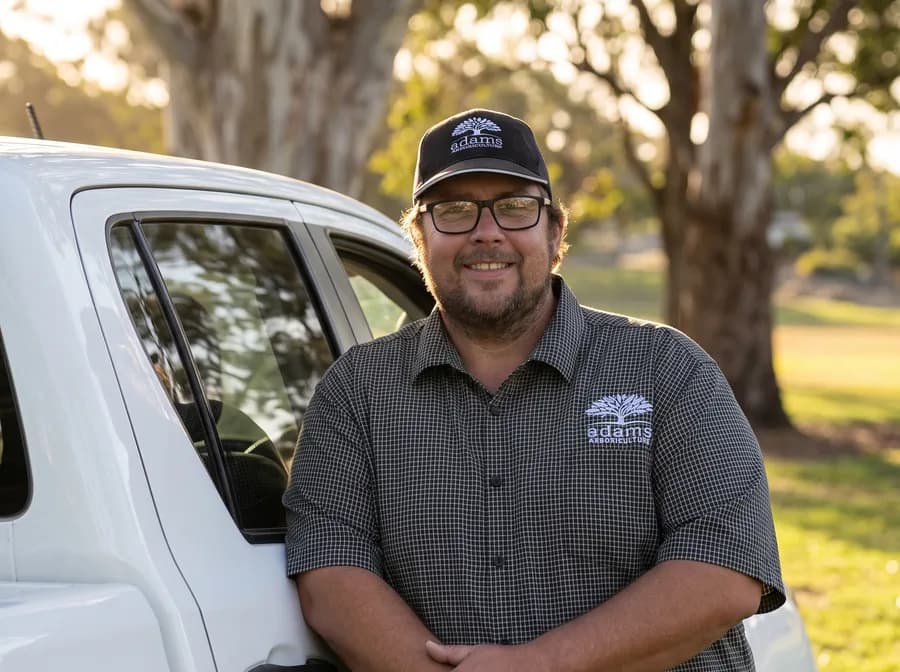
QTRA is a licensed method. Applying it requires training and a current licence, and Adam holds QTRA Licence No. 6712.
That matters practically as well as formally: an assessment described as "QTRA" by someone unlicensed is not one, and where a council, insurer or body corporate has asked specifically for a quantified assessment, the licence is part of what they are asking for.
What a number does not do
It does not make the decision. QTRA quantifies risk so that whoever is responsible for the tree can weigh it against their own tolerance, their duty of care, and what the tree is worth to them.
Two owners can reasonably reach different conclusions from the same figure, and that is the method working as intended rather than failing. What they cannot reasonably do is claim they had no idea.