

What a survey is
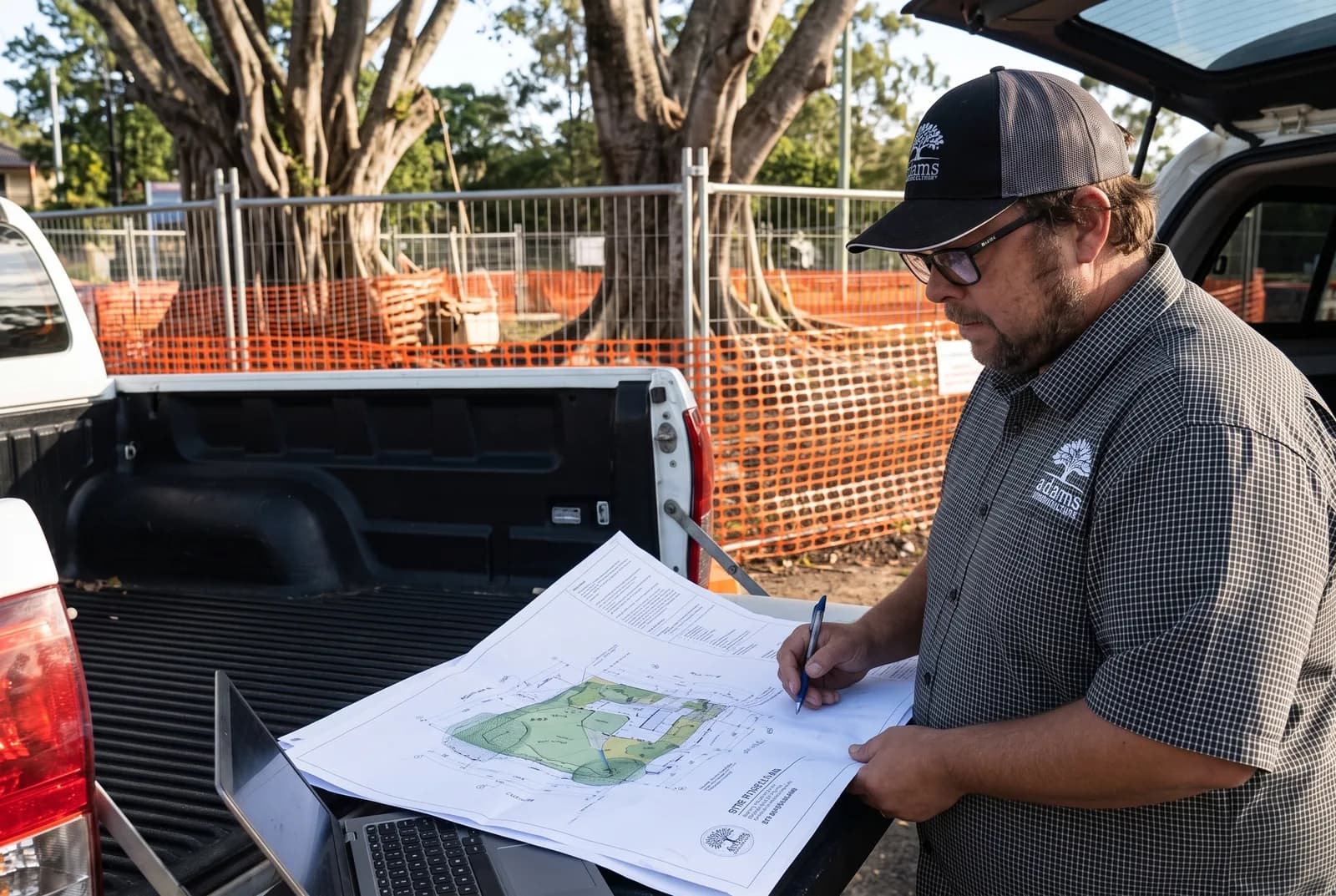
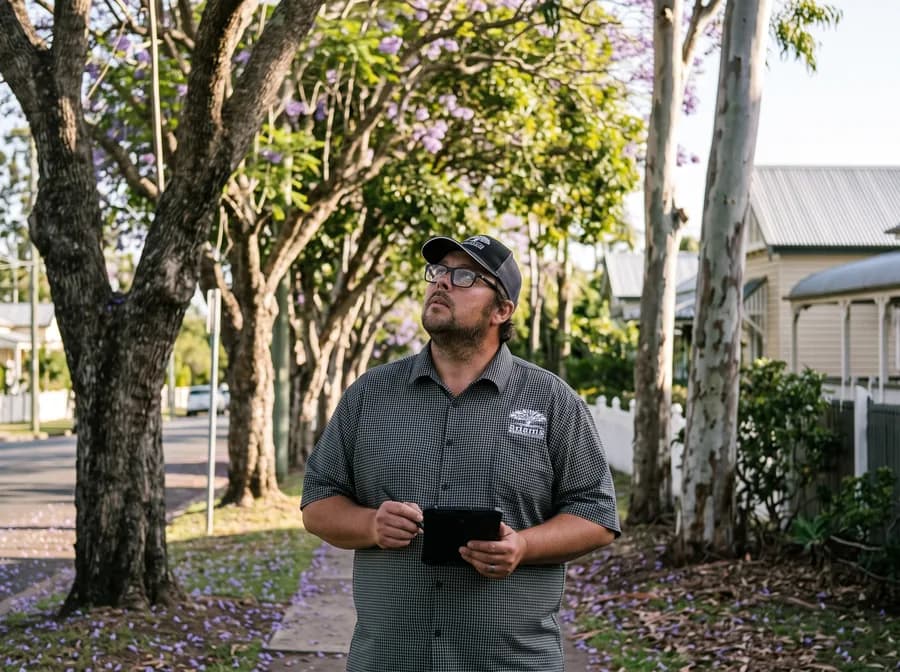
A systematic record of the trees on a site. Each one identified, located, measured and assessed, so that the result is a dataset about the place rather than an opinion about a tree.
That changes what you can do with it. A single inspection answers a question about one tree. A survey lets you prioritise across dozens — which trees need attention now, which need watching, which are fine, and which are constraints on anything you might want to build.
What gets recorded
The specifics flex with the purpose — a development survey and a school's asset survey want slightly different things — but the core is consistent.
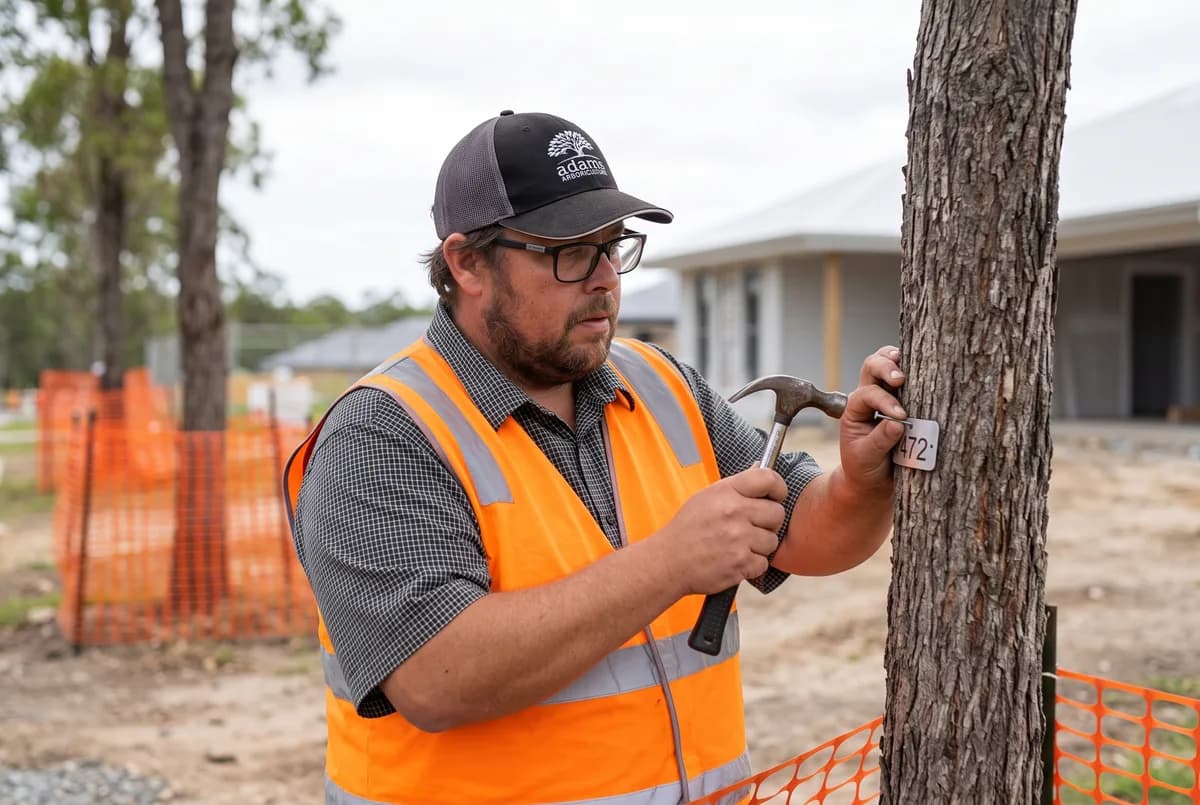
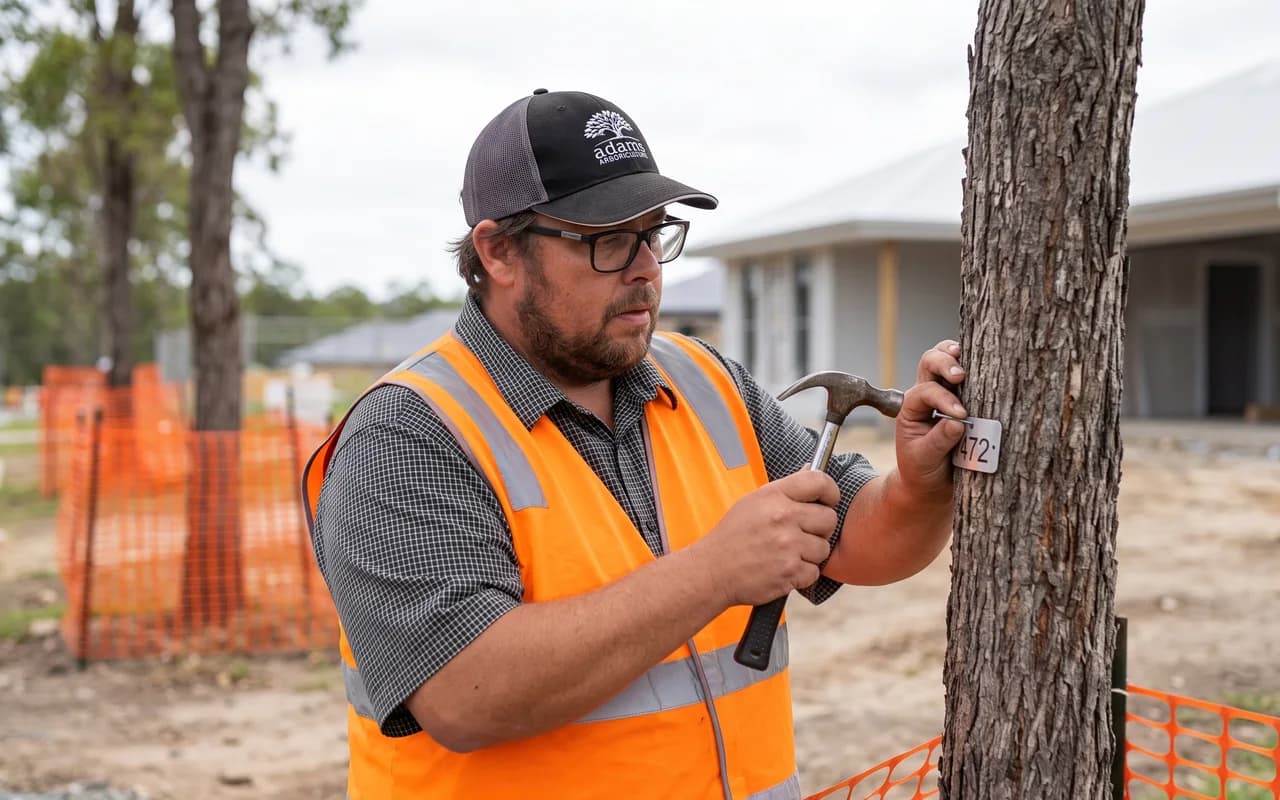
- Identification and locationSpecies and position, tagged where the trees need to be individually re-findable.
- DimensionsHeight, spread, and trunk diameter measured at 1.4 metres.
- Condition, health and structureAssessed on site for each tree rather than sampled.
- Defects and observationsWhat is there, recorded consistently so trees can be compared against each other.
- Zones, where relevantNotional and structural root zones, where development is in prospect.
- Recommendations and priorityWhat needs doing, and in what order.
Who typically needs one
Anyone responsible for a number of trees at once, and anyone proposing to build among them.
- Schools and institutionsTrees over spaces children use, with a duty of care and a maintenance budget to prioritise.
- CouncilsStreet trees, parks and reserves, where the record has to be consistent across assessors.
- Development sitesThe baseline the impact assessment and protection planning are built from.
- Larger properties and estatesWhere the alternative is a series of unconnected call-outs.
- Body corporates and commercial propertyWhere decisions have to be justified to somebody else.
Why consistency is the point
A survey is only useful if the trees were assessed the same way. If tree 3 was judged generously and tree 40 harshly, the ranking is noise and any prioritisation built on it is arbitrary.
One assessor working to one method across the site produces a record where the comparisons hold. It also means the survey can be repeated in two or five years and the difference between the two is real information rather than a change of opinion.
A survey is a baseline, not a permanent state. Trees change, and a record with a date on it is worth more than one without.